
The term "traditional crafts" was established in the "Act on the Promotion of Traditional Crafts Industries (Traditional Crafts Act)". "Mat" means "Major parts of the raw materials, techniques, and techniques that characterize the craft have been inherited to this day, and have been improved to make them suitable for industrial environments while maintaining their characteristics." It literally means "a craft that is made in accordance with the demands of the times." The law stipulates that "tra...

Written by
Surrounded by the magnificent nature represented by the Hida Mountains (Northern Alps), Hida Takayama is a town that is alive with history and traditional culture, such as old townscapes that retain traces of the Edo period and Takayama festivals held in spring and autumn. There are also hot springs such as Hida Takayama Onsen and Okuhida Onsenkyo, as well as gourmet food such as Hida beef and Japanese sake. In particular, the Takayama Festival, which is held in spring and autumn, is characterized by a festival procession centered around gorgeous floats (dashi floats), elaborately moving mechanical dolls, and reproductions of picture scrolls, and many people from Japan and abroad come to watch. I will visit. It is about 6 hours from Tokyo and about 4 hours from Osaka. There are some of Japan's leading tourist destinations such as Shirakawa-go, Kamikochi, and Kanazawa in the surrounding area, and you can visit various places around Hida Takayama. There is a mix of various types of accommodations, including Western-style hotels, traditional inns, homely guesthouses, and hostels suitable for long-term stays, and we have the capacity to meet the needs of our users. The people of Hida, who are involved in various fields such as nature, history, tradition, culture, and gastronomy, are simple and warm, and offer heartfelt hospitality to visitors.
Hida Shunkei A nationally designated traditional craft created using traditional techniques passed down by woodworkers and lacquerers.
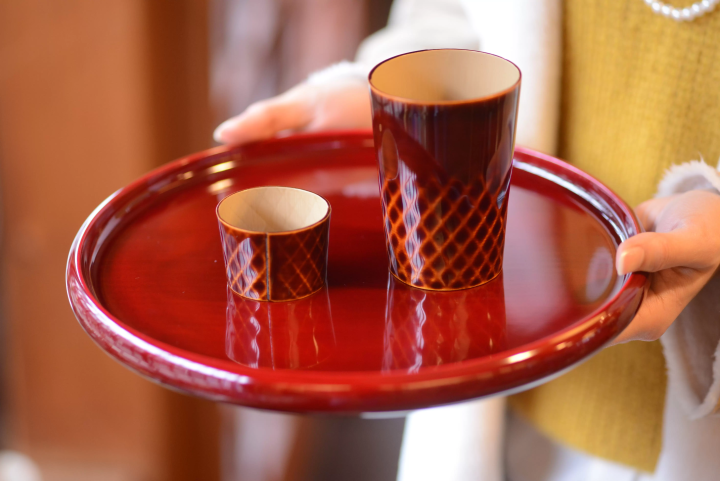
About 400 years ago, when Kanamori Kashige was building shrines and temples in the castle town, Hida Shunkei was struck by the beauty of a piece of wood that Kizaemon Takahashi, a master carpenter who was working on the construction, happened to break into. This was made into an elegant tray. It is said that this tray was first painted by Sanemon Narita with transparent lacquer to take advantage of the wood grain. The rustic beauty of the wood that only high-quality wood has, and the transparent lacquer technique that gives off a transparent pale golden color, create a timeless texture. In addition to flower vases, trays, dining tables, utensils, and tea utensils, products such as business card holders that match current lifestyles are also sold at stores in Takayama City.
Ichii Ittobori - A nationally designated traditional craft, a representative sculpture of Hida Takayama that takes advantage of the beauty of the wood grain and does not add color.
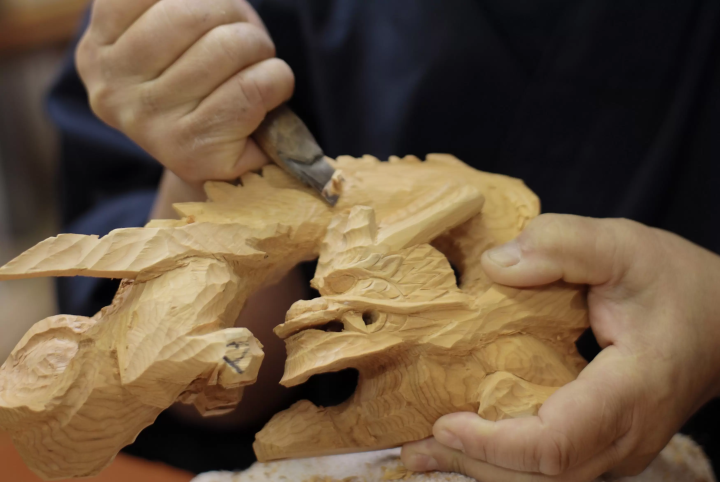
Ichii Ittobori is said to have its origins in the late Edo period, when Ryoten Matsuda of Takayama created netsuke carvings using yew wood, a symbol of Hida, using a unique technique that did not involve coloring. The pieces are finished through a six-step process that begins with selecting quality materials and removing the wood, and their appeal is that the color and luster of the wood's skin and grain increases over time.
Koito ware Koito ware is characterized by its unique astringent cobalt blue color.
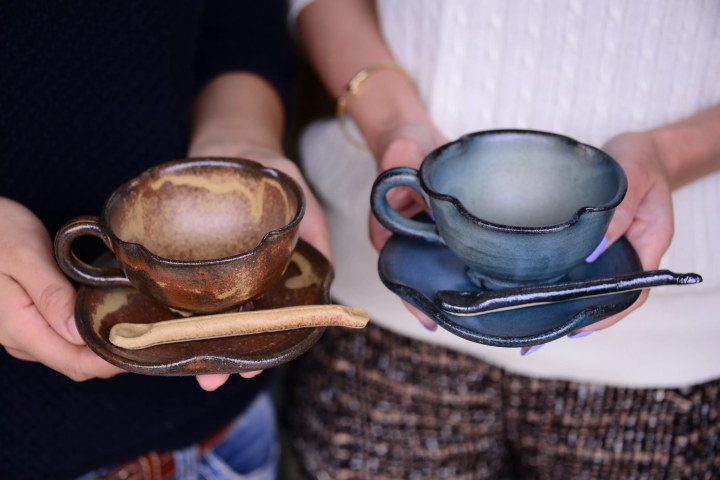
It began in the Edo/Kanei era (1620s) when the third lord of Hida, Shigeyori Kanamori, invited potters from Kyoto to bake tea utensils and other items locally, and built a kiln in Koitosaka, west of Takayama City. Currently, I am making a wide range of pottery, from tea utensils to modern craft works. Koito ware's unique astringent cobalt blue glaze (Blue Irabo) is highly praised in many fields.
Shibukusa ware Shibukusa ware that inherits tradition through traditional hand-made and hand-painted methods such as dyed, red-painted, and celadon porcelain.
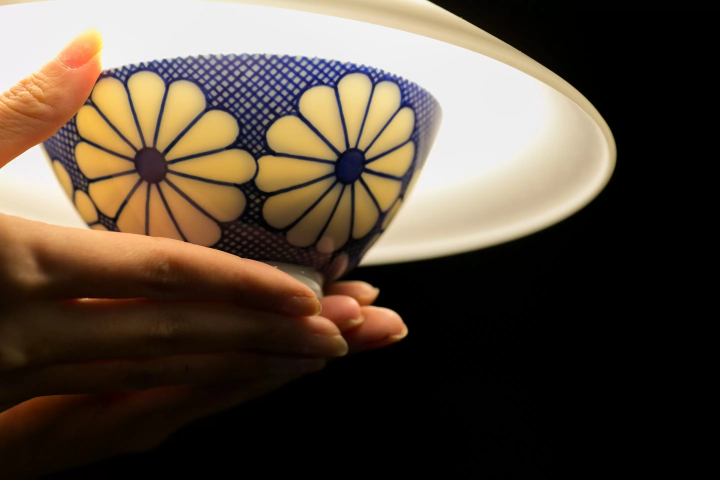
It was planned in 1841 by Fujinoshin Toyoda, the district chief, and he invited Ryuzou Toda from Owari to start the project, and after much effort, he succeeded in making porcelain. A few years later, an artist from Kutani was invited to add red paintings to the painting. Products at that time were decorated with beautiful red glaze, which was called Hida akae or Hida Kutani, but it subsequently declined and was revived in the early Meiji period. Today's Shibukusa-style pottery is created by taking the strengths of Owari, Arita, and Kutani and interweaving them. There are two kilns: porcelain (Hokokusha) and ceramics (Yanagizo Kiln).
Hida furniture All the furniture you'll want to try Hida furniture creates a calm living space with the beauty and warmth of wood
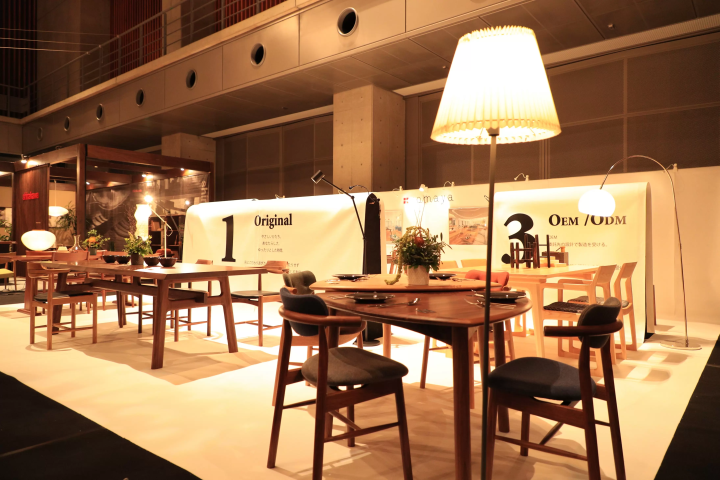
The Hida region, which is rich in forest resources, has a large number of engineers who have inherited the skills and spirit of craftsmen, and the wood processing industry is thriving. Among these, furniture production began about 100 years ago and is widely known as ``Hida Furniture,'' a Western-style furniture representative of Japan. The technique of bending wood has been established since early times, and one of its characteristics is that it has a sturdy structure due to its excellent processing technology, and its beautiful and sophisticated design that makes use of the color and grain of the wood has also become popular. Masu. We offer a wide variety of products, including comfortable chairs, tables, desks, storage furniture, and beds. There are many manufacturers in Takayama City, and you can view their products at their showrooms.
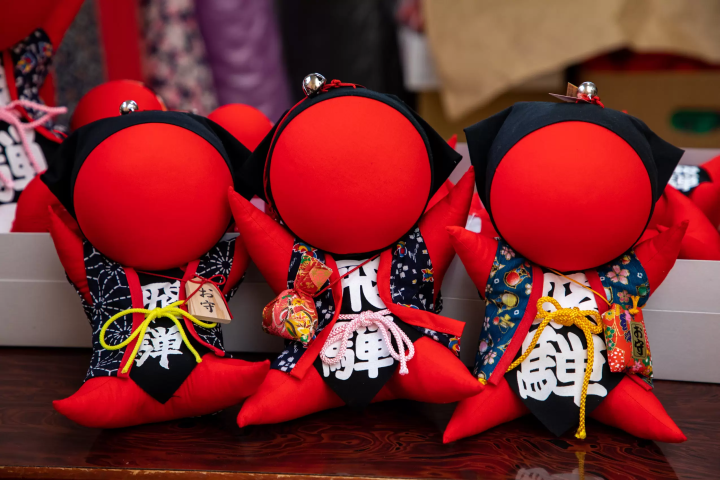
Crafts of Hida Warm, simple and soothing crafts of Takayama, Hida
Wooden figurines and crafts, votive tablets and Enku Buddha that attract people's faith, toys, dyed items, and sashiko that are full of nostalgia. Paulownia woodwork has a soft, silky texture. The simple and familiar crafts are unique to Hida, which has a unique culture.







![[Tokyo, Shinjuku] Buy Matcha Here! 2 Long-established Japanese Tea Shops Where You Can Get the Authentic Taste!](https://resources.matcha-jp.com/resize/720x2000/2025/09/24-245090.webp)