Locally
Featured Writers

Featured Writers

The Writers of Locally

Locally is created by people who live and work in each region—tourism federations, local facilities, accommodations, and more. In this feature, we introduce 7 standout writers from across Japan.

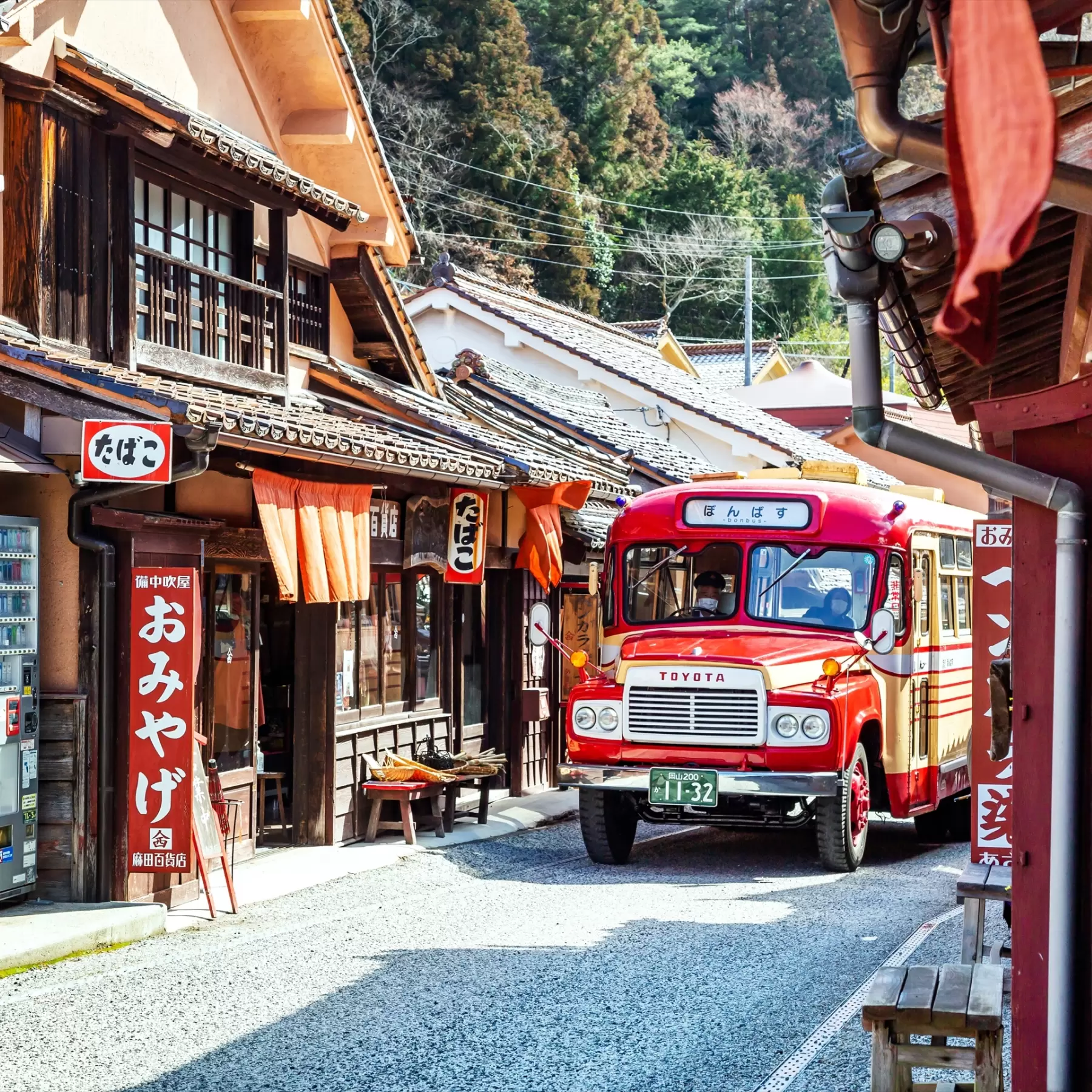
Scenery of Okayama
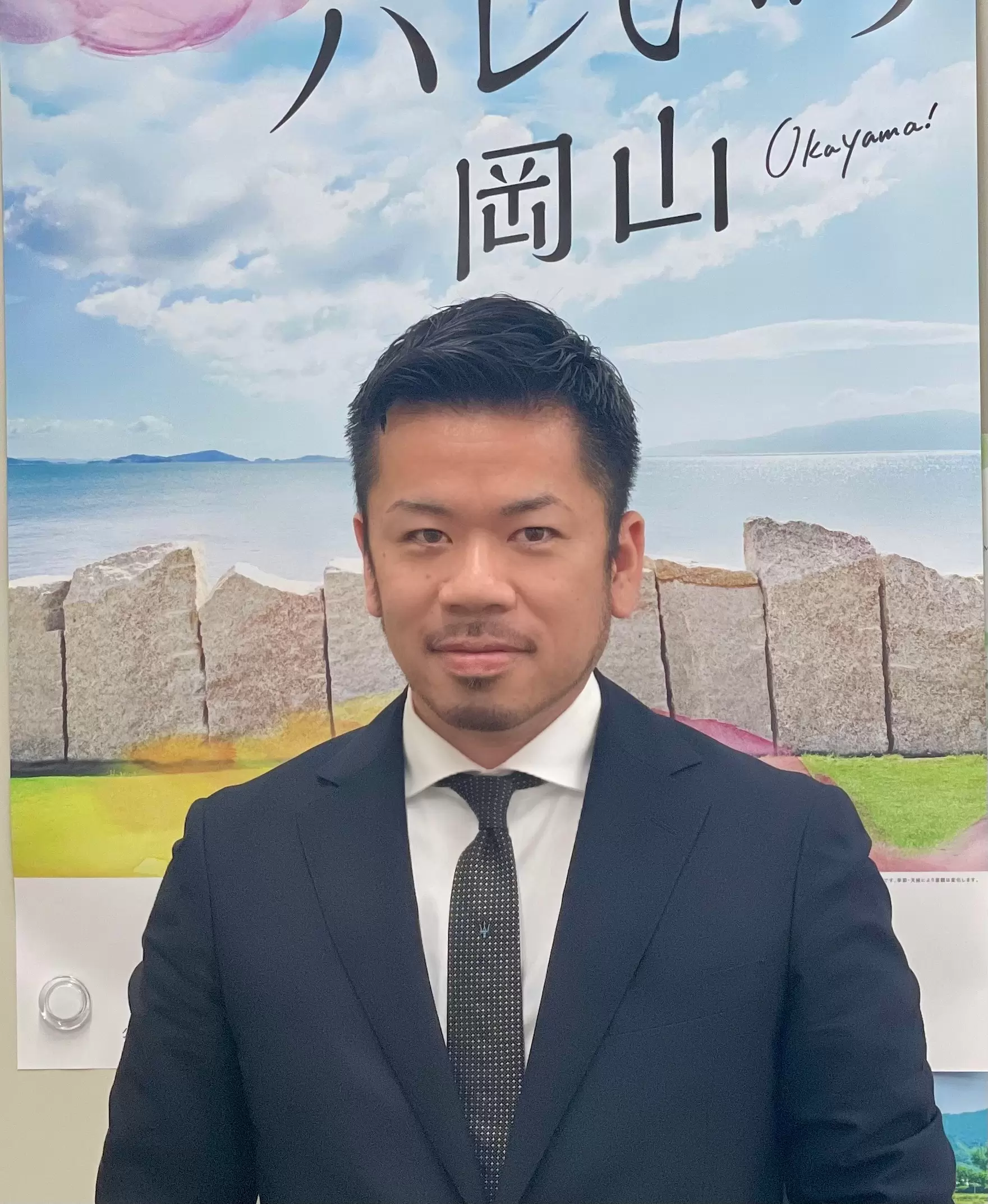
Writer at Okayama Prefectural Tourism Federation Tourism Federation

Okayama
Writer 01

Okayama Prefectural Tourism Federation

Kengo Kurokawa
Kengo Kurokawa
Senior Staff, Strategic Information Group
Q & A
QWhat is the charm of Okayama from your perspective?
A

I believe Okayama is a place where “scenes of everyday life” become travel destinations—not just famous tourist spots.

The calm landscapes of the Seto Inland Sea, historic townscapes, delicious fruits, and rich food culture are of course attractive, but when you actually walk through the area, you often find yourself drawn to the warmth of the local people and the relaxed atmosphere.

What’s also unique about Okayama is that a short trip can take you to the sea, mountains, hot springs, art, or craft culture. Because it’s not overly flashy as a tourist destination, you can enjoy a trip that feels authentically your own. That, I think, is the great appeal of Okayama.

QWhat kind of information would you like to share on Locally?
A

I’d like to share not just the standard guidebook information, but also the atmosphere I’ve actually felt on the ground and the charms close to local daily life.

For example, shops loved by locals, scenes that change with the seasons, and authentic local experiences—I want to share information that conveys the true character of the area. I’d also love to introduce Japanese culture and local context in a way that’s easy for international visitors to understand, sparking their interest in Okayama and the Setouchi region.

QDo you have a message for visitors to Okayama?
A

Okayama has many charms that photos alone can’t convey. The Seto Inland Sea changes its expression between morning and evening, the food culture varies by region, the seasonal air, and casual conversations with locals—you can only truly feel Okayama’s comfort by visiting in person.

By all means visit the famous spots, but also take detours to find your own favorite version of Okayama. We look forward to welcoming you.

View account page
Nishinoshima
Nishinoshima writer Town Office
Shimane
Writer 02

Nishinoshima Town Office

Cleo Wong
Cleo Wong
Senior Officer, Industrial Promotion Division
Q & A
QWhat is the charm of Nishinoshima from your perspective?
A

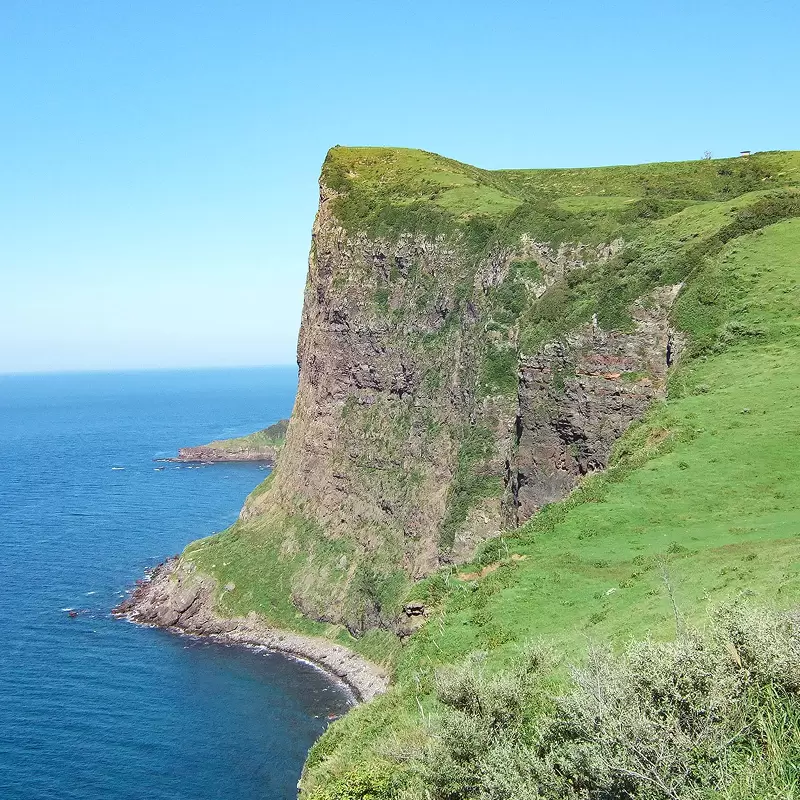
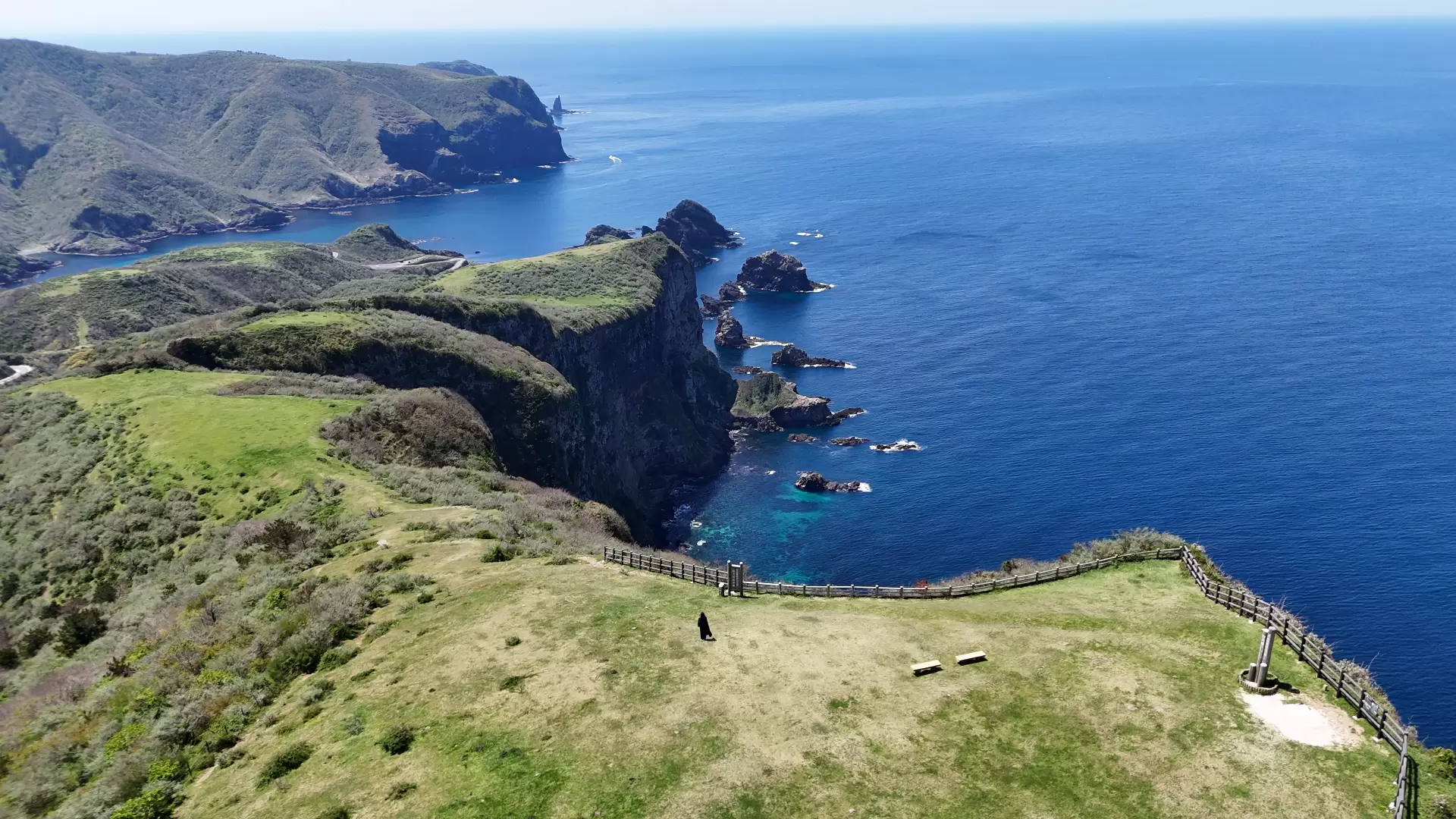
From my perspective, the charm of Nishinoshima lies in its rich nature, unique culture, and the closeness of everyday life. The island is full of lush greenery, and the sight of cattle and horses grazing freely reflects how primary industries are deeply rooted in daily life here.

The distinctive festival culture and Bon traditions—rare even within Shimane Prefecture—are also major attractions, passed down through generations. In early summer, you can enjoy fresh and flavorful rock oysters. Through nature, culture, and food, Nishinoshima offers experiences you can find nowhere else.

QWhat kind of information would you like to share on Locally?
A

I’d like to share information that makes the charm of Nishinoshima feel closer to readers. From the island’s scenery and natural beauty across the four seasons, to events happening this season and model itineraries for enjoying the island.

I want to share not only sightseeing spots, but also seasonal ways to enjoy the island and recommended ways to spend your time—creating opportunities for people to feel inspired to visit Nishinoshima.

QDo you have a message for visitors to Nishinoshima?
A

Nishinoshima is the second-largest inhabited island of the Oki Islands and part of the Oki Islands UNESCO Global Geopark. The majestic scenery of the Kuniga Coast and the pastoral views of cattle and horses grazing are sustained by the wisdom and customs handed down by generations of islanders.

The island’s unique culture and customs are also among its greatest charms. When you visit, please enjoy the rich nature and the leisurely time away from daily life. We also kindly ask for your cooperation in helping protect the island’s natural environment so that these beautiful landscapes can be preserved for future generations.

View account page
Tokonyan
Tokoname Tourism Association writer Tourism Association
Aichi
Writer 03

Tokoname Tourism Association

Kazumasa Takeuchi
Kazumasa Takeuchi
Secretariat Staff
Q & A
QWhat is the charm of Tokoname from your perspective?
A

What I find charming about Tokoname is that it preserves the “original landscape of Japan”—not overly modified for tourism. The “Pottery Footpath” in particular symbolizes this charm. Walking through its narrow, winding alleys feels like an adventure: you never know what scene awaits around the next corner. As you wander, you’ll discover hidden galleries, cafes, and guesthouses tucked away, offering the joy of finding your own personal favorites.

The way of life and scenery of this traditional pottery town still breathe today—it’s a nostalgic, calming place. Plus, since it’s not yet as crowded as more famous tourist sites, you can enjoy quiet, leisurely time. The essence of Tokoname lies in being able to walk at your own pace, free from crowds, and enjoy chance encounters—a “travel with breathing room.”

QWhat would you like to share on Locally?
A

On Locally, I’d like to share not only standard sightseeing information like spots, gourmet, and experiences, but also practical real-time travel information that visitors can think “I’m glad I knew that.”

Free Wi-Fi, coin lockers, transportation access, rest spots, and the free TOKONAME SHUTTLE connecting the city center to the airport island—these kinds of practical details are very important for travelers. I want to deliver not just tourism information, but also the kind of insights that make a trip more comfortable.

QAnything visitors should know before coming to Tokoname?
A

The first thing I’d like visitors to know is that Tokoname is far more accessible than you might think. The free TOKONAME SHUTTLE takes you from Chubu Centrair International Airport to the Pottery Footpath in about 20 minutes. With excellent access, you can enjoy a town walk, meal, and shopping in about 3 hours and still make it back to the airport. It’s actually a very “easy-to-visit” destination, even during a layover.

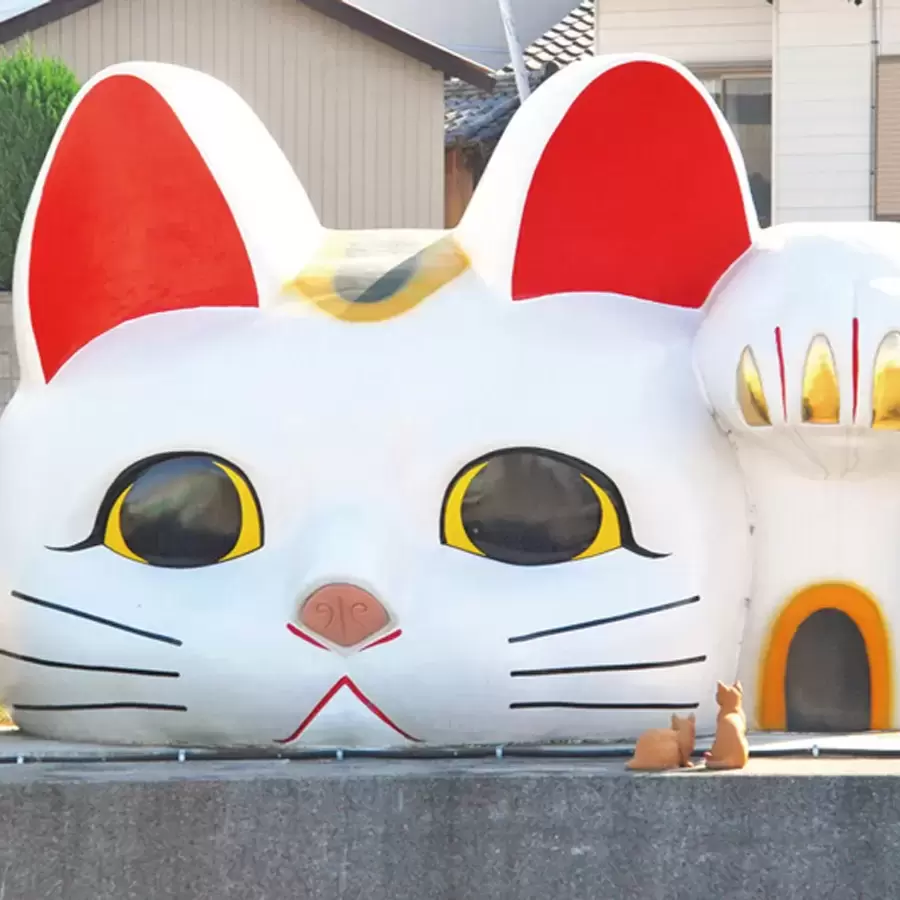
Another thing to know: Tokoname is one of Japan’s leading pottery production areas, and also Japan’s number-one producer of maneki-neko (lucky cats). Cat motifs appear throughout the town, and the giant maneki-neko “Tokonyan” greets visitors—just walking around, you can experience Tokoname’s unique culture. We recommend strolling the Pottery Footpath without fixing a destination. Galleries, cafes, and renovated old houses hide along the narrow slopes, and the more you walk, the more you discover. It’s a compact yet deep journey where you can experience the “original landscape of Japan” and craft culture in just half a day.

View account page
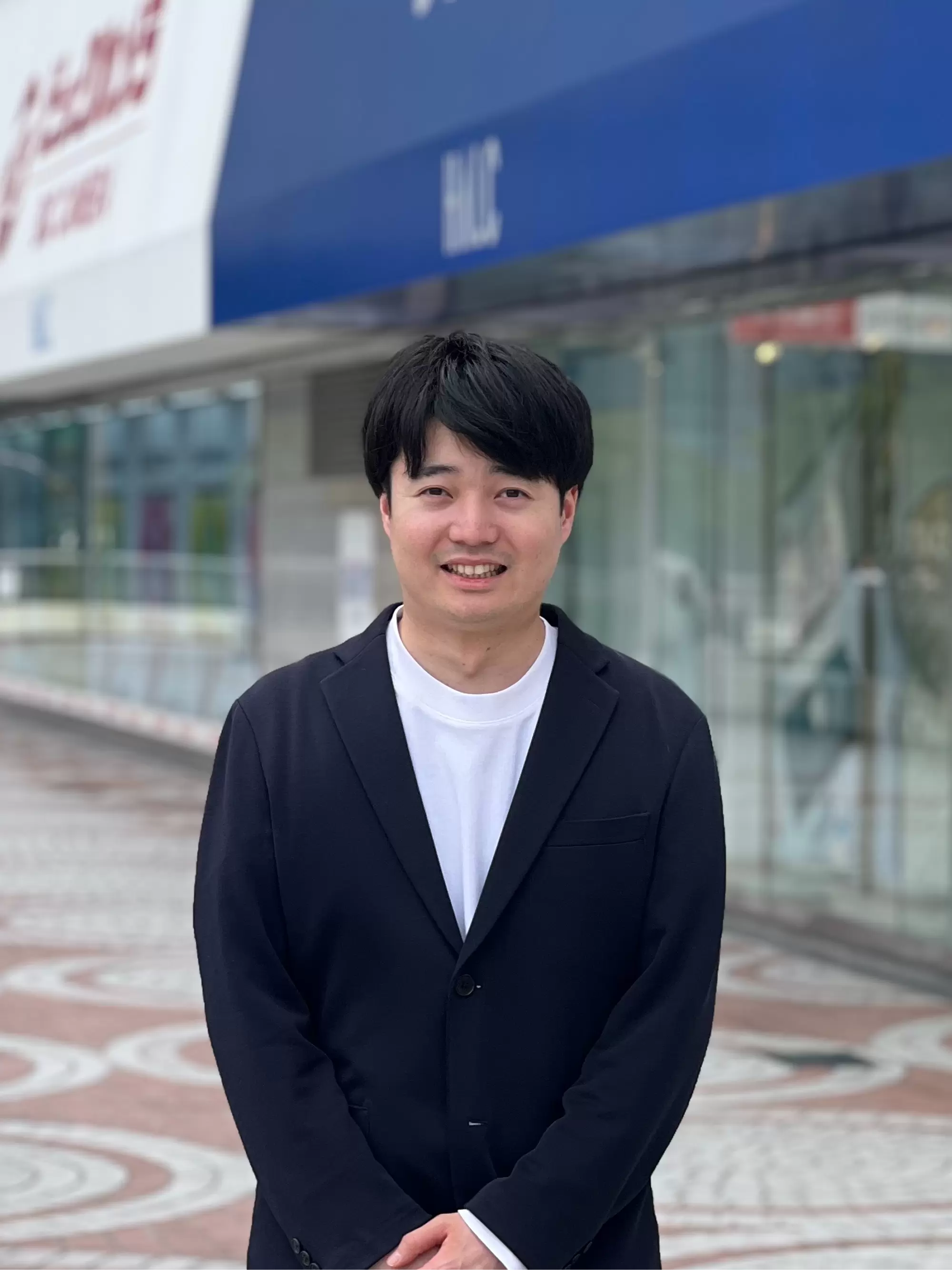
Shinjuku Nishiguchi HALC
Shinjuku Nishiguchi HALC writer Retail Complex
Tokyo
Writer 04

Shinjuku Nishiguchi HALC/Odakyu Ace/Shinjuku Flags

Yuto Aihara
Yuto Aihara
Odakyu SC Development Co., Ltd., Shinjuku Sales Office
Q & A
QWhat is the charm of Shinjuku Nishiguchi HALC, Odakyu Ace, and Shinjuku Flags?
A

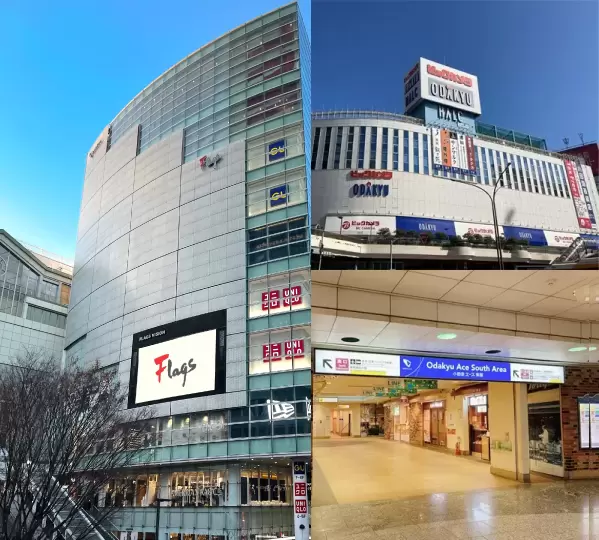
Shinjuku Nishiguchi HALC, Odakyu Ace, and Shinjuku Flags each have distinct personalities and together support the everyday life of Shinjuku.

HALC offers a diverse mix of department store, electronics retailer, and gourmet under one roof. Odakyu Ace is an underground shopping street where you can shop and snack without worrying about the rain. Shinjuku Flags is highly trend-sensitive, focused on music, sports, and fashion.

All three offer new discoveries with every visit, providing a quintessential Shinjuku experience for visitors from Japan and abroad.

QWhat kind of information would you like to share on Locally?
A

Starting from these retail complexes, I’d like to share the real, everyday Shinjuku that you won’t encounter by only visiting tourist sights.

I want to deliver information through the eyes of people who actually use the city—restaurants to stop by after work, smart ways to use the underground passages, shops loved by locals. I’d also like to introduce Shinjuku Flags’ trend information and ways to combine the three facilities for a flowing, multi-stop visit.

QAnything visitors should know before visiting?
A

Odakyu Ace and Shinjuku Nishiguchi HALC are connected underground, so you can move between them regardless of the weather—a major advantage. Shinjuku Flags is also within walking distance, so visiting all three lets you enjoy a variety of shopping and dining in one trip.

The city’s atmosphere changes greatly between morning, day, and night, so you can enjoy different faces of Shinjuku depending on the time. Beyond tourist spots, there are many restaurants and shops used by locals—just shifting your perspective slightly lets you experience the real Shinjuku.

View account page
Gozaisho Ropeway
Gozaisho Ropeway writer Tourism Facility
Mie
Writer 05

Mie Kotsu Group (Gozaisho Ropeway)

Mie Kotsu Group logo
Tatsuya Higuchi
General Manager, Sales Department
Q & A
QWhat is the charm of Gozaisho from your perspective?
A

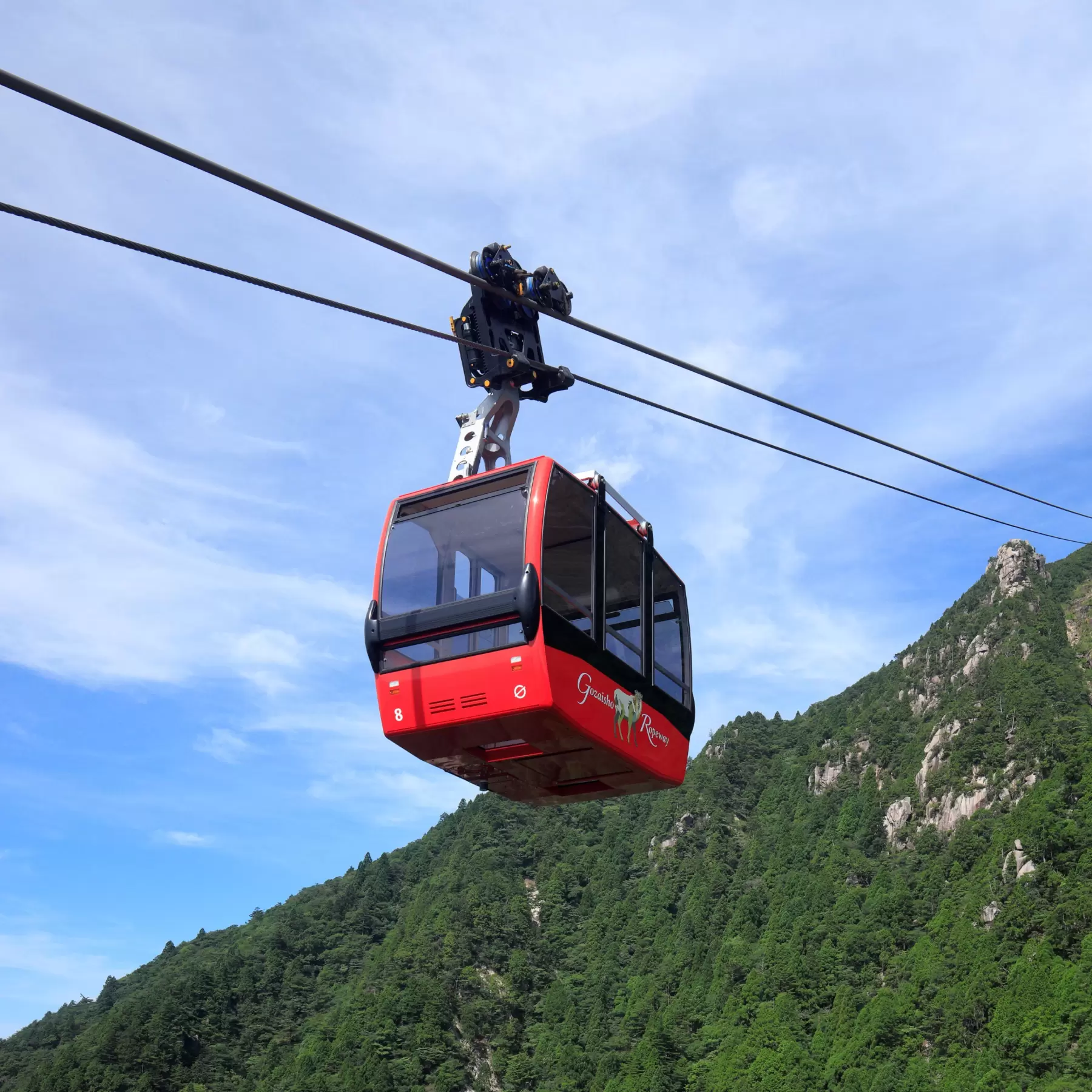
The charm of Mt. Gozaisho, one of Mie Prefecture’s most famous peaks at 1,212 meters, is undoubtedly its majestic nature that changes its expression through the four seasons.

In spring, alpine plants color the mountain, with rare azalea species growing in spectacular clusters. In summer, the temperature is about 10°C cooler than at the base, and breezes through the trees serve as a natural air conditioner. In autumn, the mountain dresses in brocade colors, and the gradation of foliage changing with elevation is a delight. The view from the ropeway in early November, with autumn leaves contrasting against powerful granite cliffs, is particularly stunning.

And in winter, a snowy landscape unfolds that hardly seems possible in normally mild Mie Prefecture, with rime-covered trees creating a fantastical silver world. Being able to easily enjoy these precious views via the ropeway is one of Gozaisho’s greatest charms.

QWhat kind of information would you like to share on Locally?
A

Located in the mountainous Hokusei area of Mie Prefecture, the Gozaisho Ropeway may not be widely known, but it boasts one of Japan’s largest scales. I’d like to share the 15-minute “showtime” of the ride: 150 meters above the valley floor, the imposing 61-meter white tower, the beautiful scenery created by Mt. Gozaisho, and the views of Ise Bay and the Nagoya cityscape.

At the top of the ropeway, the elevation of 1,212 meters reveals a completely different world from the base. I want to fully convey the charms unique to Gozaisho—the scenery, the temperature, the plants—everything that makes this place special.

QAnything visitors should know before coming to Gozaisho?
A

When visiting Mt. Gozaisho, we recommend checking the mountain weather and temperature in advance. At 1,212 meters, the summit is significantly cooler than the base, and first snow can fall as early as November during the autumn foliage season—warm clothing is essential. Each observation deck offers different views, so checking the website beforehand to decide “what kind of scenery you want to see” will make your stay more rewarding.

It’s also helpful to decide which season suits you best: the mountainsides dyed with spring flowers, the lush green summer, the burning autumn leaves, or the silent rime-frost winter.

View account page
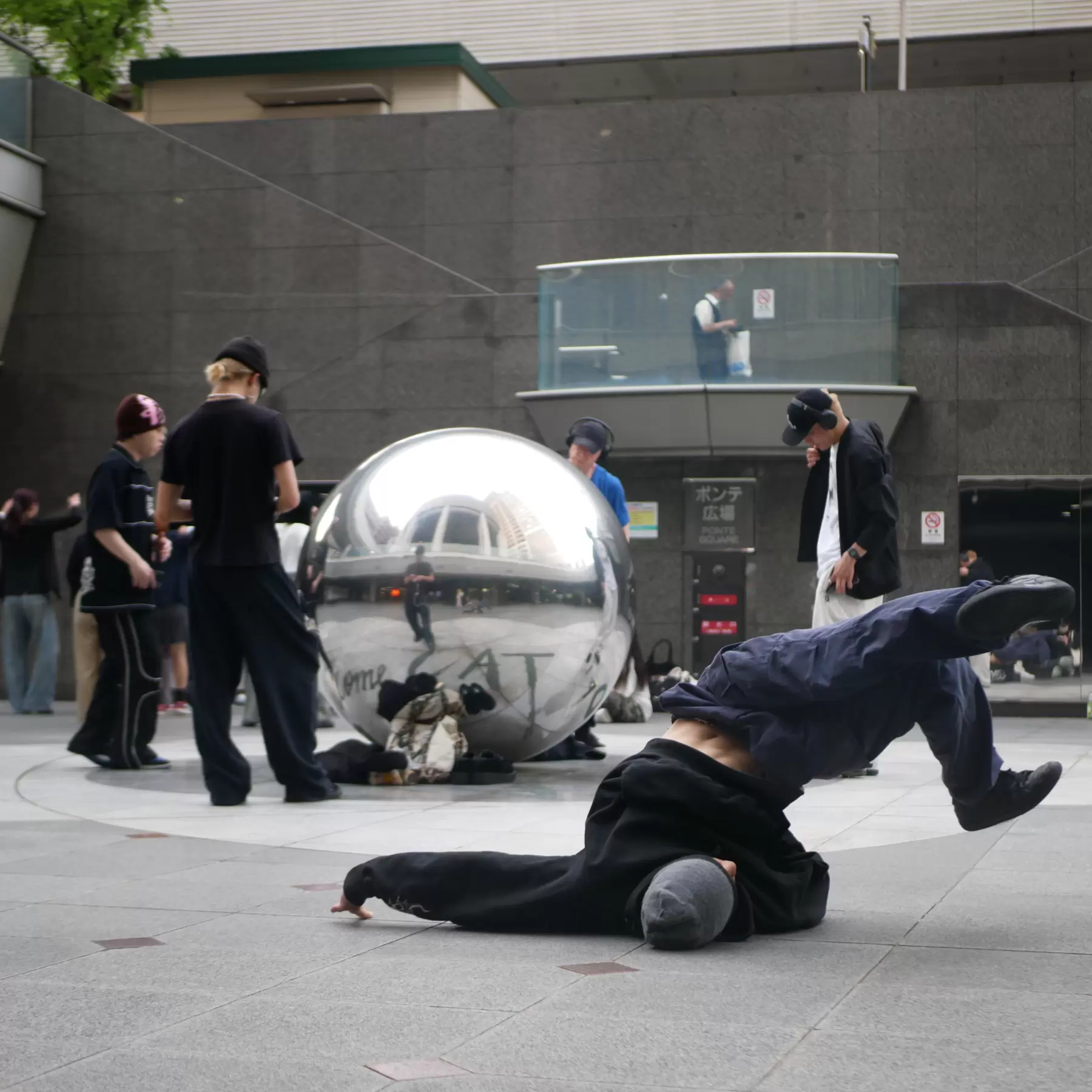
OCAT
OCAT writer Transit & Retail
Osaka
Writer 06

Osaka City Air Terminal (OCAT)

Chiaki Nishikawa
Chiaki Nishikawa
Business Division, Minatomachi Development Center Co., Ltd.
Q & A
QWhat is the charm of Osaka (or OCAT) from your perspective?
A

It’s directly connected to JR Namba Station and the bus terminal, and packed with convenient and attractive shops—yet somehow it’s not crowded.

Not widely known, but OCAT offers the best access to Kansai International Airport. In particular, you can reach Terminal 2 without transfers.

QWhat kind of information would you like to share on Locally?
A

I’d like to share information about OCAT itself and the surrounding area, as well as sightseeing spots you can reach from OCAT by bus.

QAnything visitors should know before visiting Osaka (or OCAT)?
A

OCAT has plenty of places where you can make the most of your wait before your bus. Udon-making, nail art, fortune-telling, and more—since it’s never crowded, you can fully enjoy these experiences.

After arriving by bus, you can store luggage in a coin locker and freely explore Namba by rental car or rental bicycle, expanding the ways you can enjoy your trip. From the famous Namba Yasaka Shrine to local-favorite public baths and izakaya, you’ll discover a new side of Namba.

View account page
Fuji Kanko Kaihatsu Co., Ltd.
Kazue Matsushima Tourism Development
Yamanashi
Writer 07

Fuji Kanko Kaihatsu Co., Ltd.

Kazue Matsushima
Kazue Matsushima
Deputy Manager, PR Section, General Affairs Department
Q & A
QWhat is the charm of Lake Kawaguchi from your perspective?
A

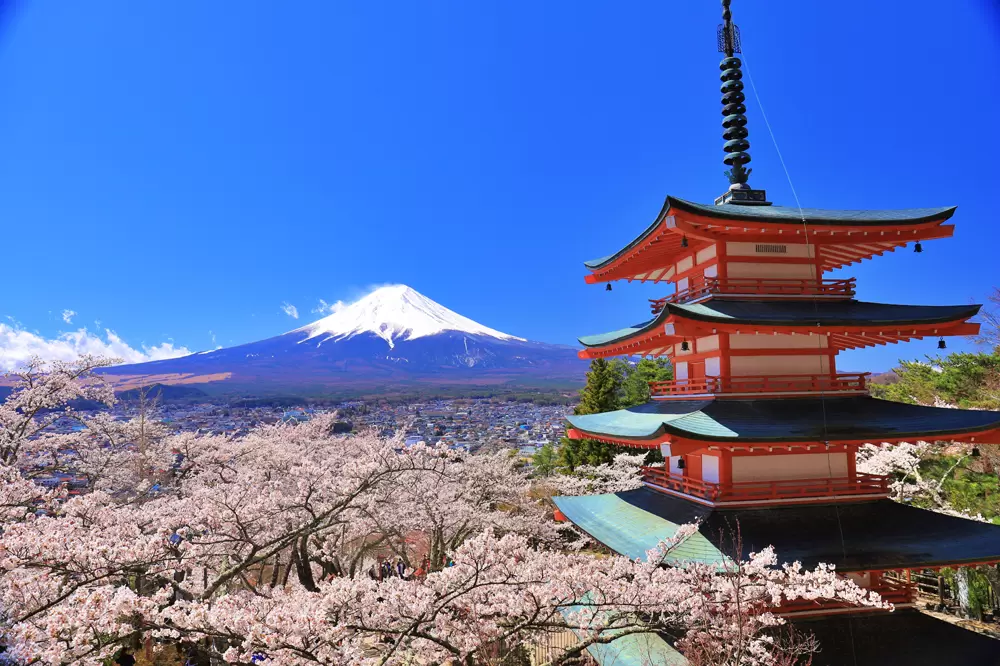
The charm of Lake Kawaguchi is, of course, the beautiful scenery that lets you feel Mt. Fuji up close. Mt. Fuji seen across the lake is truly stunning, showing different expressions through the seasons and times of day.

It’s also a place rich in nature where you can spend relaxed time—strolling along the lakeshore, enjoying the view from a cafe, soaking in a hot spring. In this peaceful environment, you can leave the daily hustle behind and refresh both body and mind.

You can also enjoy Yamanashi’s unique food culture, such as “hoto.” The fact that you can experience both sightseeing and relaxation is another major charm of Lake Kawaguchi.

QWhat kind of information would you like to share on Locally?
A

I’d like to share tourism information and the natural environment unique to Mt. Fuji and the Fuji Five Lakes.

Beyond famous spots like Chureito Pagoda and Oshino Hakkai, I want to convey scenery and ways of spending time known only to local staff, as well as seasonal charms. I also want to share the richness of nature around Lake Kawaguchi and the comfort of slowly flowing time—things that can only be truly felt by visiting in person.

QDo you have a message for visitors to Lake Kawaguchi?
A

Lake Kawaguchi is a place rich in nature where you can enjoy seasonal landscapes and the beautiful views of Mt. Fuji. With good access from Tokyo, it’s also easy to visit on short notice.

I’d love for those wanting to step away from busy daily life and spend leisurely time to come visit. I’ll be delighted if our visitors can feel the richness and comfort of nature here, and truly relax during their stay.

View account page