

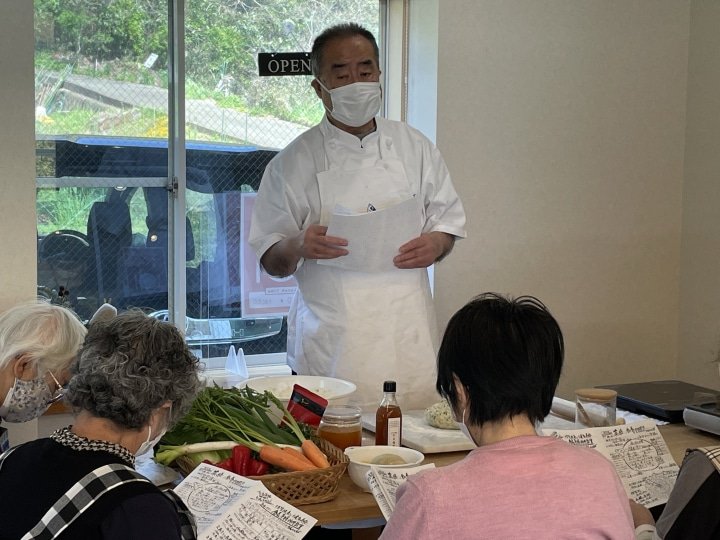
Yakuzen cooking traveled to Japan from ancient China. Why don’t you join us and learn how to prepare a yakuzen meal from cook Rin Kunbi, in the restaurant Hitorizawa Terrace? It is surrounded by nature and is only 20 minutes from Yokohama.

Written by
This is an experience plan associated with the Sugita Plum Grove and Sugita plum trees in Sugita, Isogo Ward, which was once the most popular ume viewing spot in the Kanto region. At Hitorizawa Terrace, a restaurant located 50 minutes from Yokohama in a farm, participants will experience Japanese food culture through "miso making," "vegetarian cooking by a renowned chef," "medicinal Chinese cuisine using Japanese ingredients," and "harvesting winter vegetables in Hitorizawa and a meal of rice balls and tempura. In the "Yokohama Traditional Culture Workshop," participants will enjoy meditation and sutra chanting at Myohoji Temple, where the Sugita plum tree still remains, a tea ceremony and Nodate experience in the temple grounds, singing and dancing by Yokohama geisha, and a kaiseki meal using Sugita plum trees. We are looking for 3 pairs of trial tour for each course for the following experience in Yokohama for foreigners living in Japan. Please apply via Google Form. Please do not cancel your application after you have been selected. ◆trial tour 1.Life with Sugita Ume: Cooking with Sugita Ume ①January 11 (Thu): 【Shojin-ryori (vegetarian meal) Workshop】A life with Sugita Plum Shojin-ryori and Sugita Plum (3 pairs) ②January 13 (Saturday): 【Yakuzen Workshop】 A life with Sugita Plum Yakuzen Chinese cooking and Sugita Plum (3 pairs) ③January 14(Thursday):Temae-miso making workshop(3 pairs) ④February 6(Tuesday): Winter Vegetable Harvest, and tempura and rice-ball lunch in Hitorizawa, Yokohama (3 pairs) 2. Yokohama Traditional Culture Workshop January 27 (Saturday): Japanese Traditional Culture Workshop in Isogo, Yokohama <Group Plans/Evening Program> (3 pairs) ◆Number of applicants 3 pairs for each course (English-speaking guides will accompany each pair) ◆Entry requirements (1) Foreigners living in or visiting Japan who are 16 years of age or older (If there are 3 or more foreigners, the accompanying Japanese person will also be invited free of charge) (2) Those who can spread the official Instagram and post a video of their experience on their own SNS. Those who are willing to fill out a simple questionnaire on the web. ◆Application Deadline 3 days prior to each tour date If there are too many applications, the participants will be selected by lottery. Please apply as early as possible. ◆Application Method Please apply from the following https://forms.gle/Xtq7uvwZYkDRhHYz9 ◆For inquiries, please contact Sugita Plum Grove Executive Committee for "Ume no Machi Sugita" (Plum Town Sugita) Email: sugita.umematsuri@gmail.com ◆Related URL Official Instagram: https://www.instagram.com/sugita.plum.groves/ Official HP (English): https://shunsaika.yokohama/en/
What is yakuzen cooking?
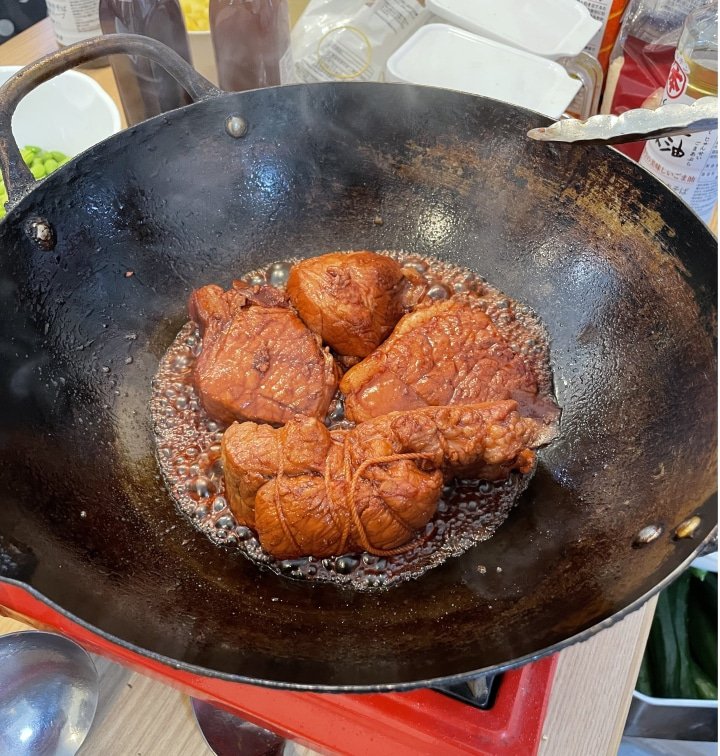
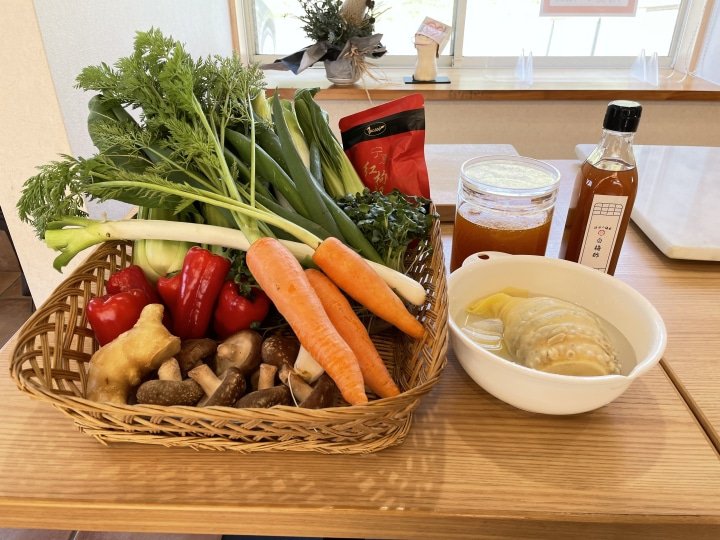
Yakuzen cooking is a method from ancient China which combines Chinese medicine said to be good for virility and seasonal ingredients. It is a way to heal oneself through selecting the appropriate nutrition, effect, color, scent, taste, shape, etc.. This time we will be introducing Chinese yakuzen cooking using Japanese seasonal ingredients, which will keep us healthy through the cold winter.
<Winter Dietetics Yakuzen>
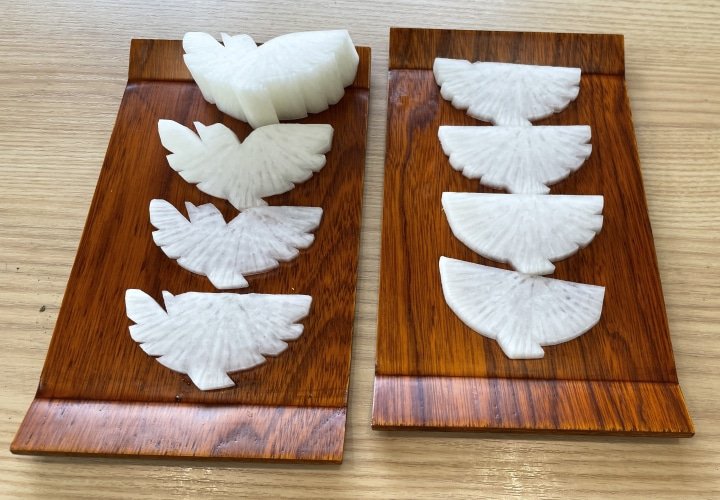
Dietetics is not only used for preventing diseases, but also for arranging vibrant and varied dishes. One can add value to festive foods with this knowledge as well. Since the theme of the upcoming sessions is “winter,” we will be focusing on strengthening the kidneys, and will be selecting ingredients with black hues according to the condition of the consumer. Let’s learn the decorative cuts as well.
Instructor (Cook) Kunbi Rin
Born in 1946 in Shizuoka Prefecture. Citizen of Fujian Province, China. She grew up in a family which runs a Chinese restaurant in Yokohama, and started her apprenticeship of learning Fujian cuisine under master-chef Jinpu Cho at Fuxinlou, from 1964. The restaurant is located in Tsukiji. She has since worked at cooking schools, culinary schools, as an instructor at prefectural vocational-training schools, a consultant for food companies, and has also appeared in television programs such as Ryori-no-tetsujin, Yushoku Banzai, Ai no Binbou-dasshutsu Daisakusen, and such. Currently, she manages the Chinese shojin-ryori restaurant, “Rin Rin,” in Kamakura, holds gyoza-making classes in kindergartens and elementary schools around Japan, and spreads the joy and importance of cooking at handicapped children’s schools, nutritionist gatherings, medical associations, dentist associations, and such.
Published books: “Oyako de Tanoshimu Kodomo Ryori-juku” (Meiji Shoin), “Shoku to Shoku wo Oishiku Taberu Ho” (Kodansha), etc.







![[Tokyo, Shinjuku] Buy Matcha Here! 2 Long-established Japanese Tea Shops Where You Can Get the Authentic Taste!](https://resources.matcha-jp.com/resize/720x2000/2025/09/24-245090.webp)



![[Kyoto Prefecture ] Let's go see Fukuchiyama Castle, the symbol of Fukuchiyama City | Highlights and seasonal events](https://resources.matcha-jp.com/resize/720x2000/2026/02/12-258435.webp)
![[Gozaisho Ropeway] Gourmet Guide](https://resources.matcha-jp.com/resize/720x2000/2025/12/03-251960.webp)
![[October/November 2026, near Tokyo Station] An event where you can buy popular souvenirs from all over Japan!](https://resources.matcha-jp.com/resize/720x2000/2026/10/14-272472.webp)