
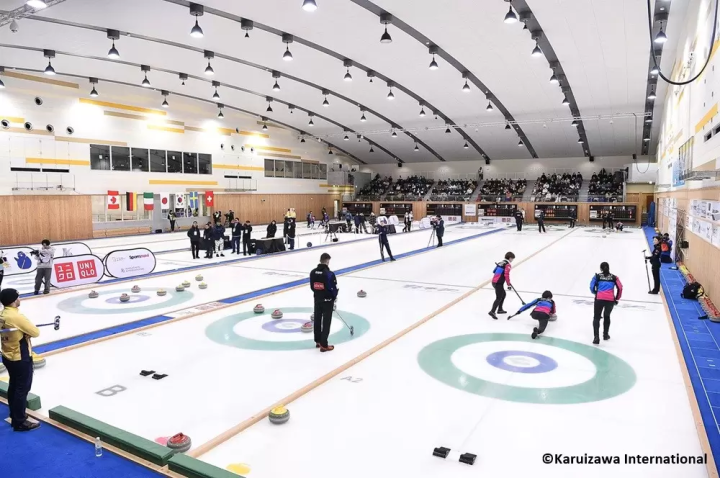
Curling is a sport often called "chess on ice," where teams compete by placing stones to score points. Because the game can change with a single throw, the more you understand the mechanics, the more enjoyable it becomes to watch. Here, we'll explain the team roles, equipment, sheets, rules, calls, scoring, and etiquette in order.

Written by
"Tickets in Japan" is a ticket sales service that allows international tourists visiting Japan to purchase entertainment tickets for sports events, concerts, theater performances, and other shows held in Japan.
-
Table of Contents
- You can watch and experience curling in Japan.
- Curling rules: Team composition and positional roles
- Curling's unique equipment (stones, brushes, shoes)
- The structure of the ice rink "seat" where the match is held.
- Basic rules of game progression (ends and pitching order)
- Sweeping and the players' "shouts"
- How to count the "score" that determines the winner and loser.
- Spectator etiquette and "concede (give up)"
- Tickets in Japan: Curling in Karuizawa
You can watch and experience curling in Japan.
-
![[TICKET OPEN] KARUIZAWA INTERNATIONAL2026](https://resources.matcha-jp.com/resize/200x2000/2026/08/06-268469.webp)
[TICKET OPEN] KARUIZAWA INTERNATIONAL2026 2026.01.14
-
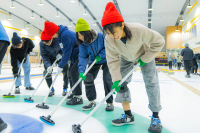
Try curling at Karuizawa Ice Park! 2026.07.23
Curling rules: Team composition and positional roles
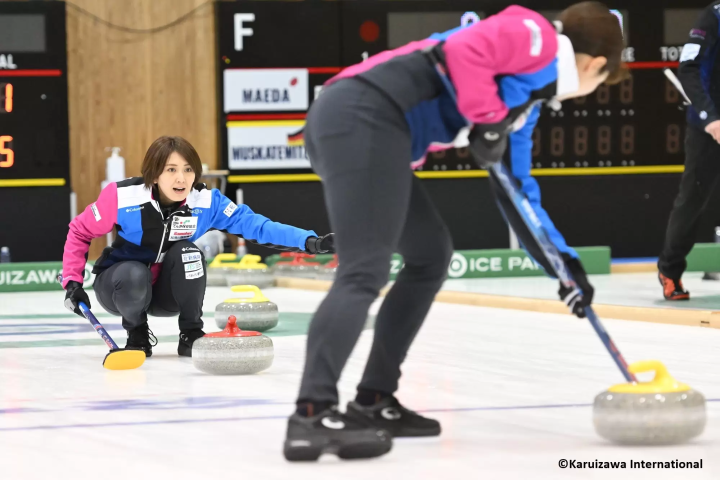
Curling is played by a team of four, with each player throwing two balls in the order of lead, second, third (vice-skip), and skip. The lead player sets the base with guards and draws in the early stages, and after the throw, mainly adjusts the distance and curve with sweeps. The second player takes on the roles of guard and takeout depending on the situation, and similarly supports with sweeps.
The third bowler throws crucial pitches towards the end of the game, reads the situation from the house when the skip is bowling, and directs the aim and line. The skip, as the strategist, decides the game's tactics and makes the final two throws. The reserve bowler comes in as a substitute, depending on their physical condition and the game's strategy.
Curling's unique equipment (stones, brushes, shoes)
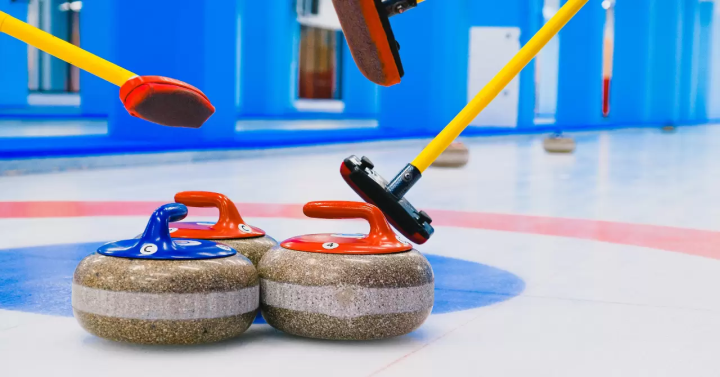
Curling equipment mainly consists of stones, brushes, and specialized shoes. The stones are made of granite, are heavy (about 30 cm in diameter and weighing about 20 kg), and the same set is shared on the rink. Brushes are generally made of synthetic fiber pads, but horsehair or pig bristles may also be used depending on the rink conditions. They are used for "sweeping," which involves sweeping the ice in the direction of travel while gliding, changing the surface condition of the ice through friction to increase distance or adjust the curve.
The shoes have different soles on the left and right feet; one shoe has a slippery material, and the other has a non-slip material, depending on your dominant hand. Grippers are worn while walking. Hand control is also important.
The structure of the ice rink "seat" where the match is held.
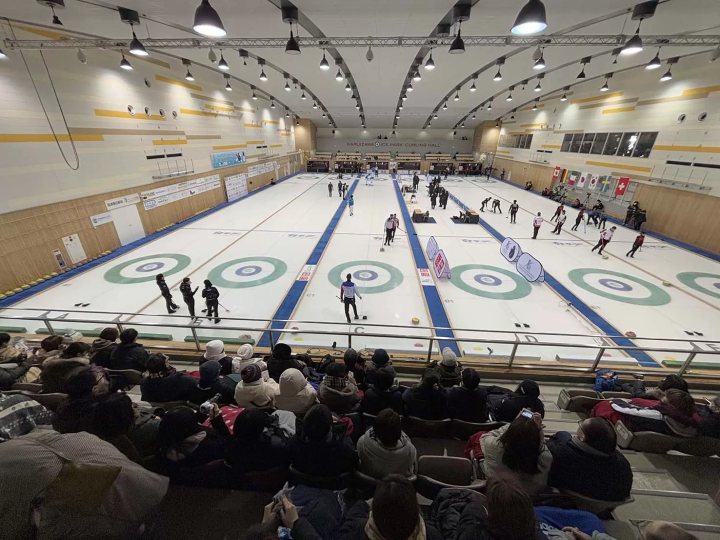
The stage for curling is a long, narrow rink called a "sheet." It is approximately 40 meters long and 5 meters wide, with circular "houses" drawn at both ends. The goal is to place the stone as close to the center of the house as possible. When throwing the stone, it is released before the "hog line," and the play is complete when the stone crosses the hog line.
The valid range extends to the "back line" at the back of the house; stones placed Oku this line are invalid. The throwing direction changes after each end, and the offense and defense continue as players move back and forth on the same sheet. There are multiple sheets in the venue, and matches are played simultaneously during the qualifying rounds.
Basic rules of game progression (ends and pitching order)
Curling is generally played in 10 ends, and the match progresses by accumulating "ends." One end consists of 8 throws by each team, for a total of 16 throws. Each team has four players (lead, second, third, and skip), and each player throws two curls, with the first and second teams taking turns throwing one curl each.
The highlight of the game is how the first half of the game sets the tone, and how the outcome often shifts in the second half, especially with the skip's last two throws. After each player has thrown eight balls, the score is counted, and the player who scores the most points goes first in the next end. In some tournaments, there is a time limit, so the speed of decision-making is especially important towards the end of the game.
Sweeping and the players' "shouts"
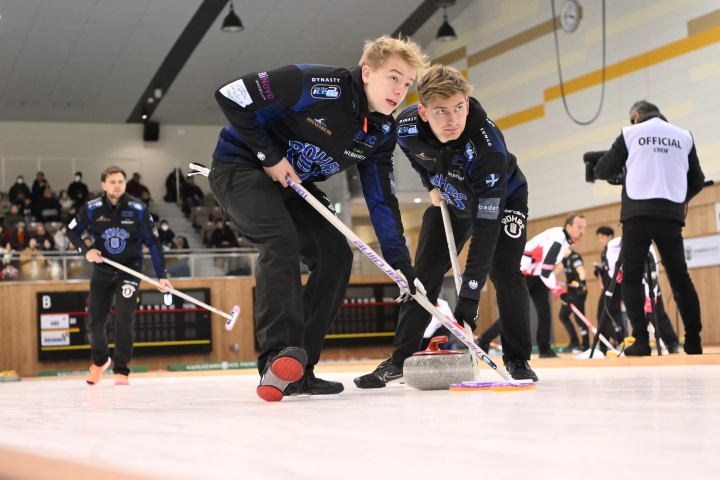
Sweeping is the technique of using a brush to sweep the ice in the direction the stone is moving, slightly melting the surface of the pebbles (ice particles) to improve its glide. This increases the distance traveled, reduces the curve (curl), and allows the stone to follow the intended line.
Instructions are given by the thrower or the house skip, and the calls change if the decision changes midway. The signals are short and clear : "Yep/Yes" means to sweep, "Whoa" means to stop, "Clean" means lightly, and "Hard" means hard and fast. Paying attention to the changes in the voices reveals the tactics and conveys the tension in the arena.
How to count the "score" that determines the winner and loser.
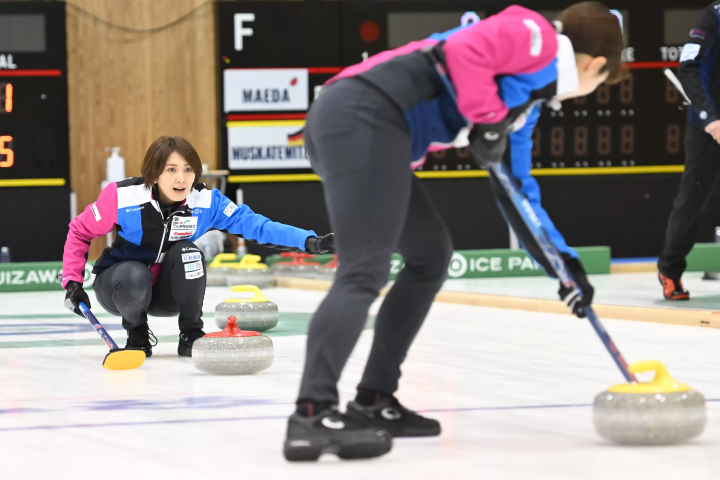
In curling, points are determined by how close your stones are to the center (tee) of the house. After each end, both teams' stones are compared, and the team with the stone closest to the center scores points. The score is calculated by the number of your own stones that are inside the center of the opposing team's closest stone.
For example, if your team is the closest to the center, you get 2 points, and if the opposing team is second, they get 1 point. The important thing is that only one team can score in an end. The team that fails to capture the stone closest to the center will always score 0 points in that end.
Spectator etiquette and "concede (give up)"
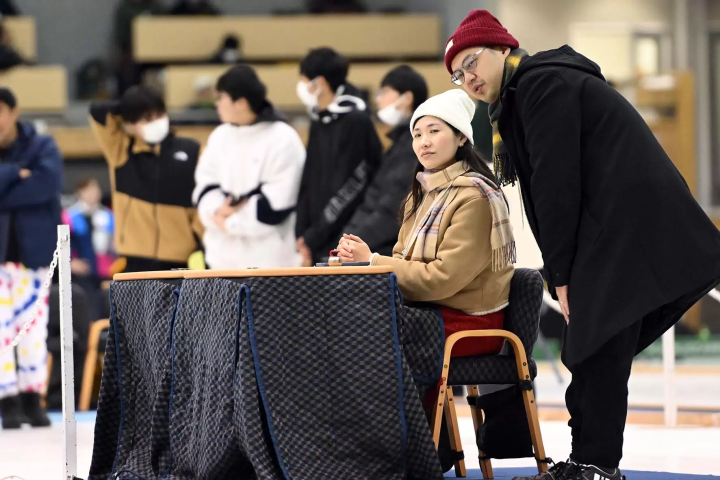
Curling is a sport that values fair play and respect for opponents. When watching, please refrain from talking or leaving your seat during the curling, and maintain concentration with quiet applause. Depending on the venue, you may be watching very close to the players, so please avoid flash photography and loud cheering.
Players cooperate with each other, including checking the score, so they refrain from celebrating opponents' mistakes. The team that throws the final ball at the end has a greater chance of changing the tide of the game , and this right is called the "hammer." In situations where victory is realistically difficult, the skip of the losing team offers a handshake to "concede," ending the game with congratulations to the opponent.
Tickets in Japan: Curling in Karuizawa
Tickets in Japan is selling tickets for the KARUIZAWA INTERNATIONAL (Curling), held from September 17th to 20th, 2026. This is a rare opportunity to watch world-class competition up close in Karuizawa. For details on the match schedule, venue information, ticket types and prices, please check the link button below.
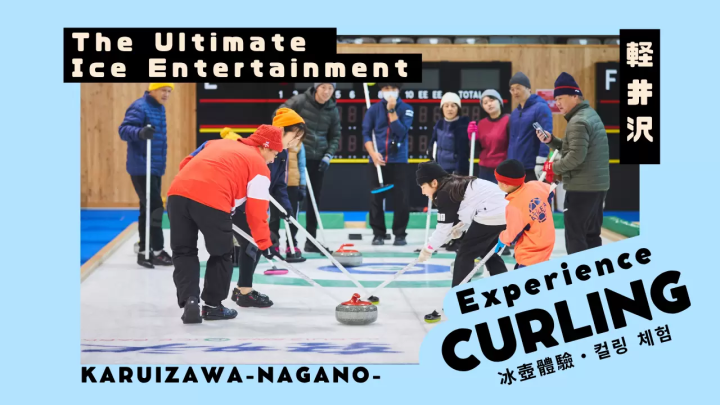
And! Tickets in Japan sells tickets that allow you to experience curling yourself at Karuizawa Ice Park. Sessions are held almost daily, making it easy to fit into your Japanese travel schedule. After shopping at the outlet mall in front of Karuizawa Station, why not take a 15-minute taxi ride from Karuizawa Station to the cool Karuizawa Ice Park for a curling experience?
Karuizawa Ice Park (Curling)









![[Tokyo, Shinjuku] Buy Matcha Here! 2 Long-established Japanese Tea Shops Where You Can Get the Authentic Taste!](https://resources.matcha-jp.com/resize/720x2000/2025/09/24-245090.webp)





![[Kyoto Prefecture ] Let's go see Fukuchiyama Castle, the symbol of Fukuchiyama City | Highlights and seasonal events](https://resources.matcha-jp.com/resize/720x2000/2026/02/12-258435.webp)
![[Gozaisho Ropeway] Gourmet Guide](https://resources.matcha-jp.com/resize/720x2000/2025/12/03-251960.webp)