This two-day Kanazawa itinerary allows you to discover historic soy sauce breweries, artisan Kutani ware, local fermented cuisine, and innovative, neo-traditional desserts.

Written by
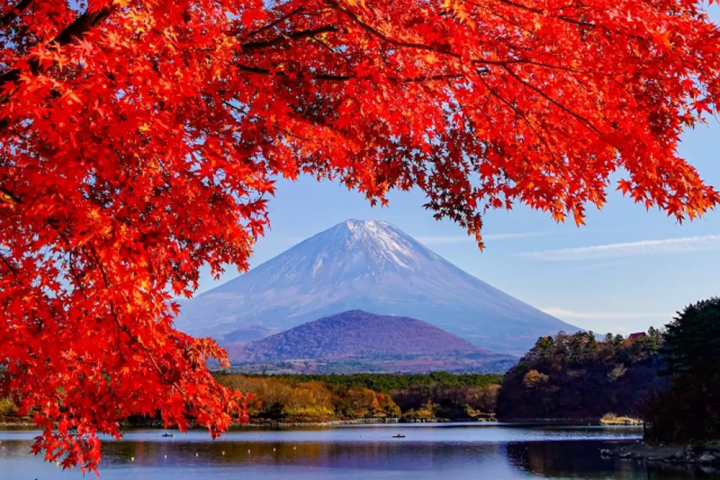
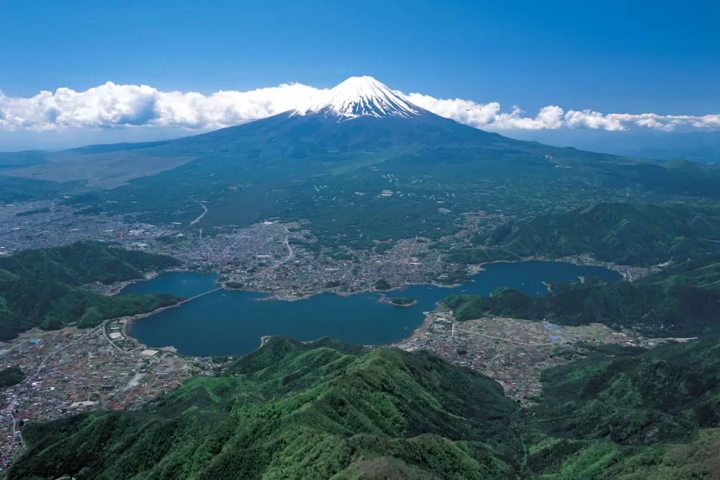
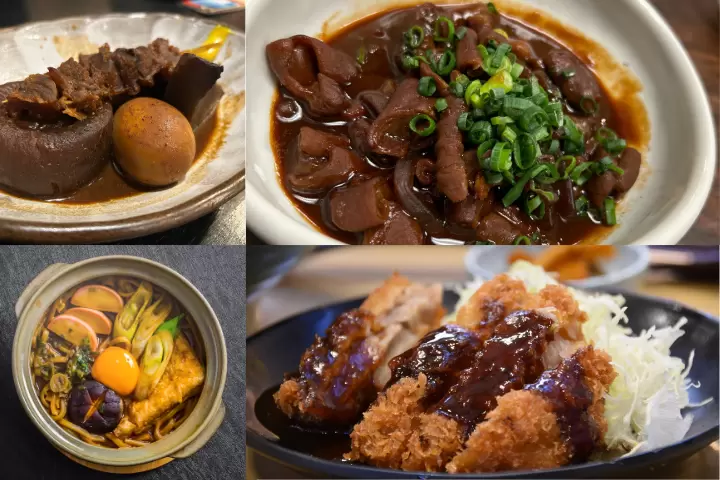
Japanese HAKKO is the source of UMAMI. We'll introduce you to its little-known "secrets" and "charms" in detail! Nagoya, where a Shogun once ruled Japan, is famous for Nagoya Castle and Ghibli Park, but it is actually a treasure trove of food culture that produces "UMAMI," the essence of Japanese cuisine. ■What's HAKKO? HAKKO technology plays a crucial role in the production of seasonings that determine the taste of Japanese cuisine, as well as in the creation of sake, which is popular all over the world. ■What's Nagoya like? Located in the central region of Japan, Nagoya serves as a hub for both air and land travel. Its blessed natural environment and climate have fostered a unique fermented food culture. The Chita Peninsula , surrounded by Ise Bay and Mikawa Bay , is a scenic area where brewing industries such as sake, vinegar, miso, and tamari have flourished since ancient times. Nishimikawa, the birthplace of Tokugawa Ieyasu, has a history of unique fermented seasonings such as "Hatcho Miso" and "White Soy Sauce."
Exploring Kanazawa’s Fermentation Culture
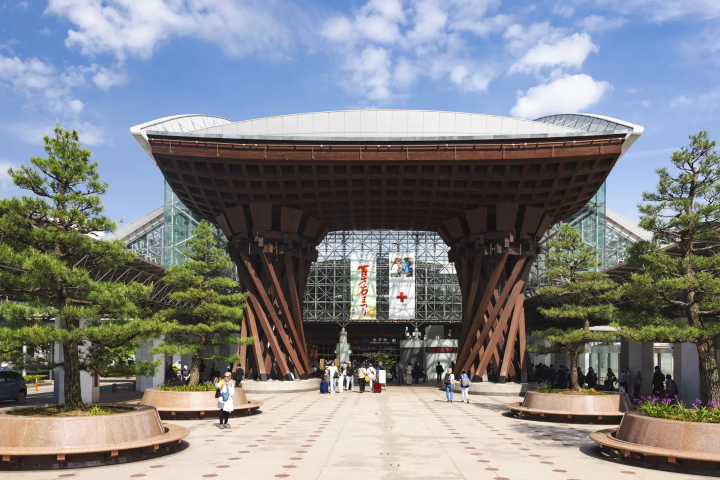
Famous for its traditional crafts and skilled artisans, Kanazawa is also a world-class culinary destination. The secret behind the region's rich, complex flavors often lies in locally made fermented ingredients. Whether it’s savory dishes elevated by koji and soy sauce or sweet desserts made with fermented bean paste, fermentation plays an essential role in Kanazawa cuisine.
As a prominent port city along the Sea of Japan, Kanazawa has flourished as a trading hub since the Edo period. Historically, local products and crafts—ranging from exquisite Kutani ware to soy sauce—were shipped as far as Hokkaido, cementing the city's reputation for high-quality goods.
This article introduces a two-day itinerary that reveals a lesser-known side of Kanazawa. While you will still visit iconic destinations like Kenrokuen Garden and Omicho Market, this journey focuses on the exceptional local cuisine and desserts crafted from traditional fermented ingredients.
Yamato Koji Park: Exciting Fermentation-Themed Tours, Activities, and Dining
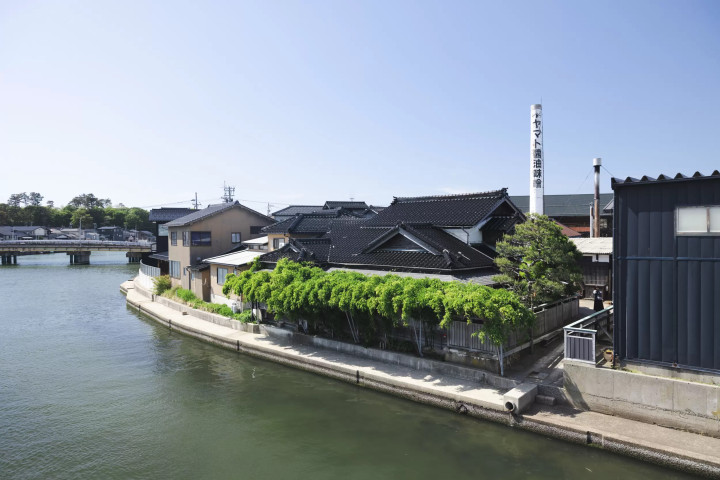
The perfect starting point to discover Kanazawa’s fermentation culture is Yamato Koji Park, located in the historic Ohno port district. The facility was founded by Yamato Soy Sauce & Miso, a local producer established here in 1911.
The park introduces visitors to koji (Aspergillus oryzae), the essential ingredient behind Japanese staples like miso, soy sauce, and sake. Different types of koji yield distinct flavors: kome-koji (rice malt) is used to brew miso, while mugi-koji (wheat malt) is essential for making soy sauce.
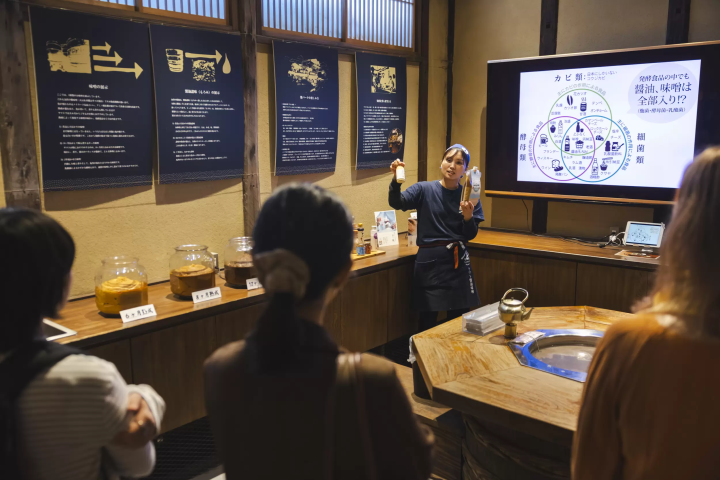
You can learn all this and more on the park's free, 30-minute guided tours, held weekdays at 11:00 and 14:00, and weekends at 11:00, 13:00, and 14:00 (closed Wednesdays). Using easy-to-follow illustrations, the staff explains the essential roles of koji before leading you through the facility—including the historic pier where Kitamaebune trading ships once docked to load local goods.
You will also get to taste the amazing brown-rice amazake made right at the facility, and compare the flavors of miso aged for six, nine, and twelve months. It’s a tour full of insights guaranteed to spark your curiosity about Japan’s rich fermentation culture.
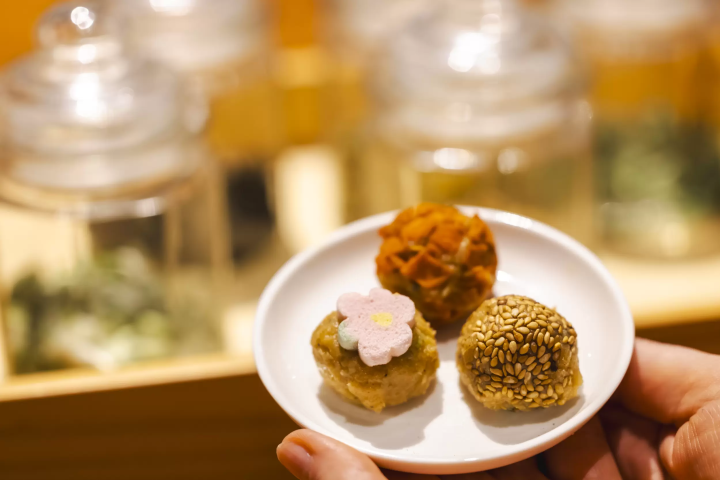
Another fun experience for all ages is the miso-ball-making activity. Under staff guidance, you shape miso paste into single-serving balls and customize them with toppings, learning how to make your own custom instant miso soup flavor.
Unlike the dark, robust bean miso popular in Nagoya and Aichi, Kanazawa locals prefer a lighter, sweeter rice-based miso. Discovering these regional nuances is the perfect next step into the rich depths of Japanese fermentation.
Details about the Koji Park Tour and Miso Ball Making Experience (Japanese only)
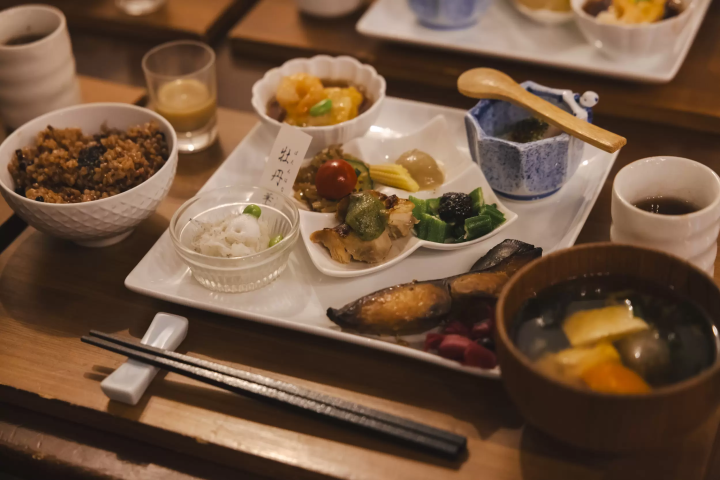
Lunch at the Hakko Bijin Shokudo (literally “The Fermentation Beauty Cafeteria”) is a highlight of any visit to Yamato Koji Park. The signature lunch set is a vibrant feast of dishes enhanced by koji, shio-koji (salt koji), and other traditional ferments. Standouts include the Grilled Salt-Koji Chicken—incredibly tender and flavorful with a hint of miso sauce—and the fragrant, subtly sweet Grilled Spanish Mackerel with Soy Sauce Koji.
The meal also introduces diners to nekase genmai (aged brown rice). Softer and easier to digest than regular rice, its deep aroma and rich flavor are highly addictive. While the menu changes monthly to feature seasonal fish and vegetables, every dish is seasoned exclusively with Yamato Soy Sauce & Miso products.
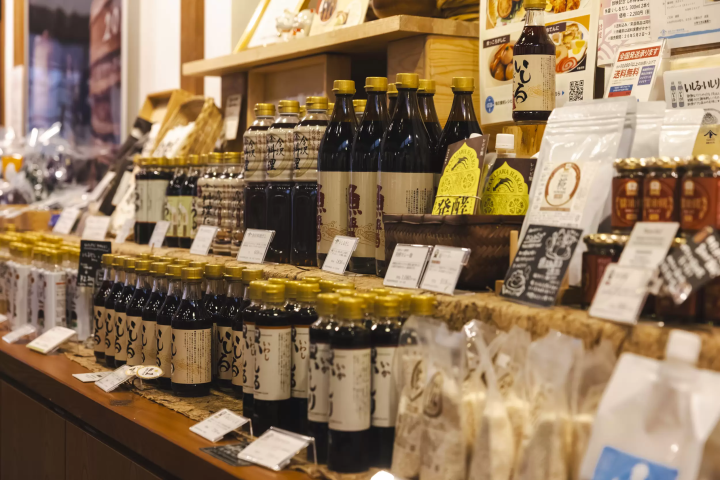
After lunch, you can stop by Hishihogura, the facility’s shop, to take these flavors home. Yamato Soy Sauce & Miso is famous for its signature soy sauce and Kanae miso, as well as the refreshing Yuzu Ponzu that perfectly cuts through the richness of fatty, grilled dishes. We also recommend their original Ponzu sauce crafted with brown rice amazake–a first in Japan–, which delivers a velvety, mellow finish. Packed with umami, it is the perfect seasoning for grilled fish and hot pot dishes.
Don't miss their brown-rice amazake—a non-alcoholic, nutrient-rich rice malt drink with a natural, delicate sweetness. The shop has also recently introduced doburoku (unfiltered sake) in three distinct varieties, making for a perfect pre-meal appetizer or dessert beverage.
Yamato Koji Park (Yamato Soy Sauce & Miso)
A Stroll Along Kanazawa’s Waterfront
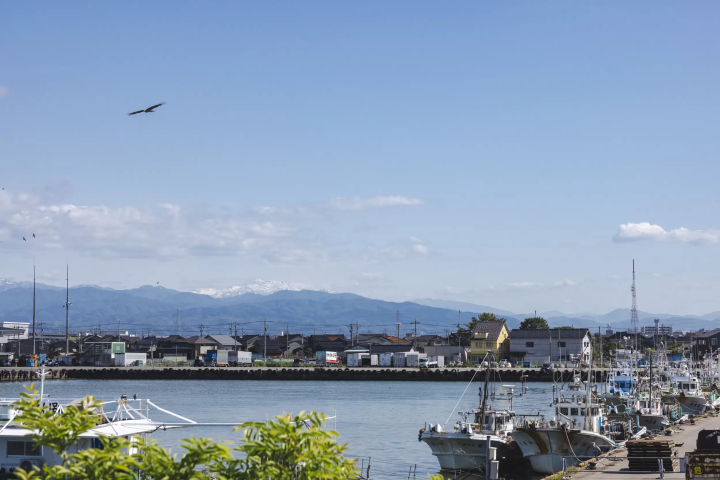
Kanazawa is not usually associated with seaside views, as the historic townscapes of the city center tend to steal the spotlight. However, its northern port district of Ohno has played a crucial role in the city's economic history. In fact, Yamato Soy Sauce & Miso is just one of many producers that established breweries here to gain direct access to coastal trading ships.
When visiting, take a moment to enjoy the sea breeze. On clear days, you can spot the distant peaks of Mount Hakusan. This view is highly auspicious to locals; not only is it one of Japan’s three sacred mountains, but its pure meltwater is indispensable for brewing high-quality soy sauce—a connection you are sure to hear about when visiting the area's breweries.
Brewery Visit at Naogen Soysauce and Desserts
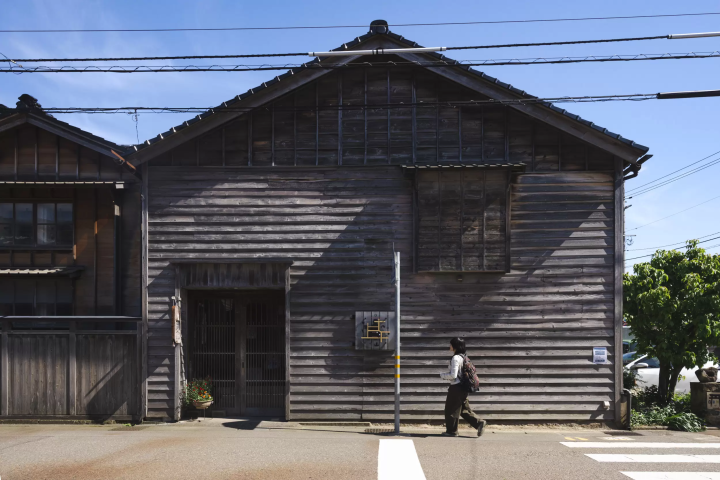
To dive deeper into the unique profile of Ohno soy sauce, visit Naogen Soysauce. This historic brewery offers tours alongside a cozy café serving delicious soy-sauce-flavored desserts.
Naogen’s origins date back to the early 17th century, when the ruler of the Kaga Domain, Maeda Toshitsune, sent local citizen Naoeya Ihei to Kishu (modern-day Wakayama) to master the craft. Genbei brought these techniques back to Ohno, establishing Naogen as a commercial business in 1825.
By the mid-19th century, Ohno was home to around 60 breweries. The area's signature "Ohno soy sauce" was famous for its distinct flavor profile—sweeter than the soy sauces of Kyoto and Edo, but less sweet than those from Kyushu. Thriving during this era, the Naogen brewery even operated five trading ships, expanding its commercial routes as far north as Hokkaido and Sakhalin.
However, the rapid industrialization introduced by the Meiji government after 1868 forced many small producers out of business; by 1877, only ten breweries remained in Ohno. The local industry stayed afloat despite fierce competition, eventually finding a long-term solution in 1970 by forming a cooperative. Today, the initial brewing stages are centralized at the cooperative's factory, after which the fermented mash is delivered to individual local breweries to be aged and seasoned into each brand's unique flavor profile.
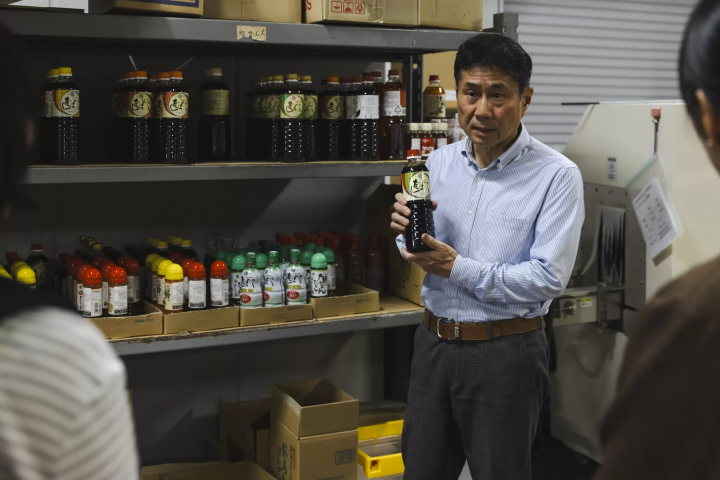
During a visit to Naogen, you can learn all about this fascinating history through a video and illustrations with English guidance, as well as peek into the facility to see the staff at work.
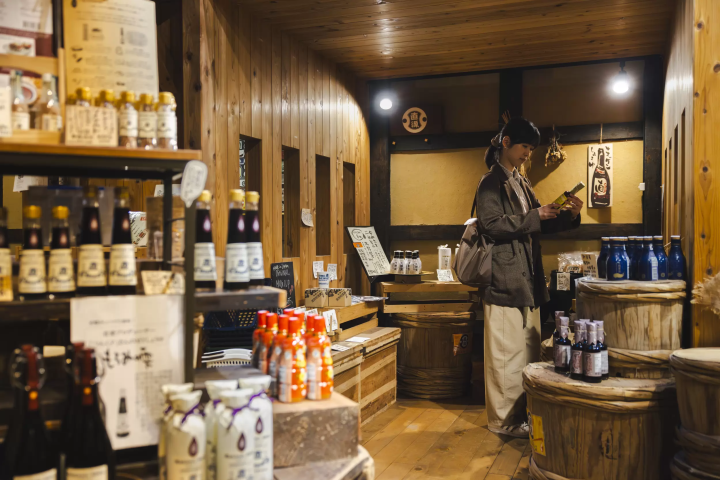
Stop by their shop to browse a wide variety of soy sauces, seasonings, and salad dressings—all available to taste before you buy.
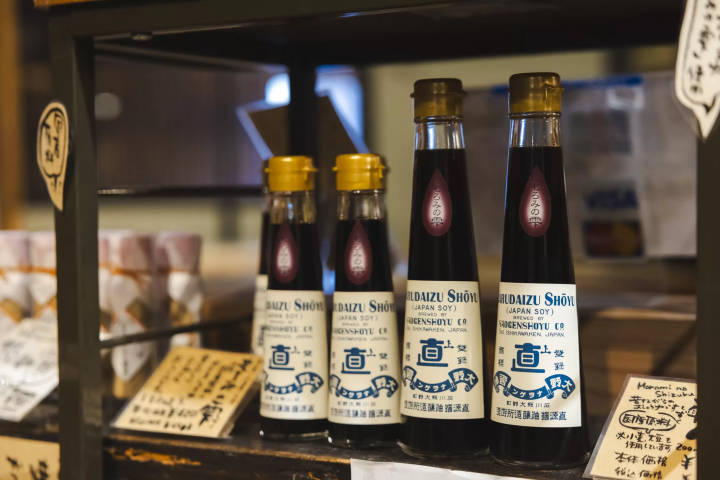
A great choice is their classic Marudaizu Soy Sauce Moromi no Shizuku. Made with minimal ingredients, it offers a pure, natural flavor. For something truly unique, try their Crystallized Shoyu, a freeze-dried, powdered version of their signature soy sauce that can be used just like salt, but with a lower sodium content. Being a dry powder, it is incredibly easy to store and travel with.
Don't miss their selection of snacks, either. Treats like soy sauce rice crackers and candies beautifully demonstrate the ingredient's versatility, adding a deep, delicious fragrance to sweets.
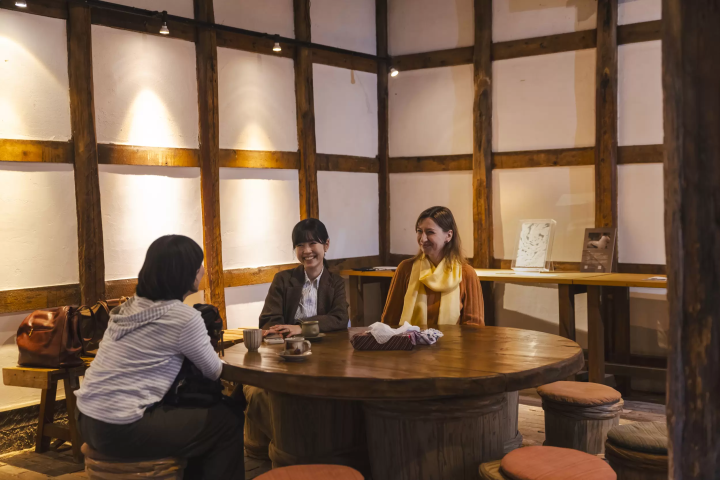
Conclude your trip to Kanazawa’s Ohno district with a visit to Gallery & Salon Moromi-gura, housed in a beautifully restored, century-old storehouse.
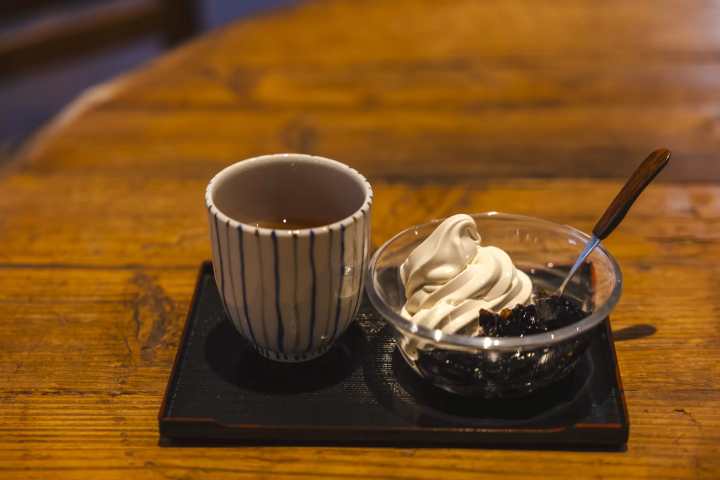
Here, you can recharge with delightful soy-sauce-flavored soft-serve ice cream desserts that pair perfectly with coffee or tea. The unique balance of sweet and savory is an absolute revelation!
Naoeya Genbei ~Gallery & Salon~ (Naogen Soy Sauce Co., Ltd.)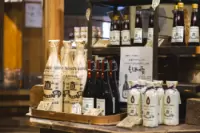
At the end of the day, unwind at one of Kanazawa’s many welcoming hotels. Relax, reflect on the city’s rich history and the ingenuity of its artisans, and recharge for a second day of exploration.
Experience the Vibrant Bustle of Omicho Market
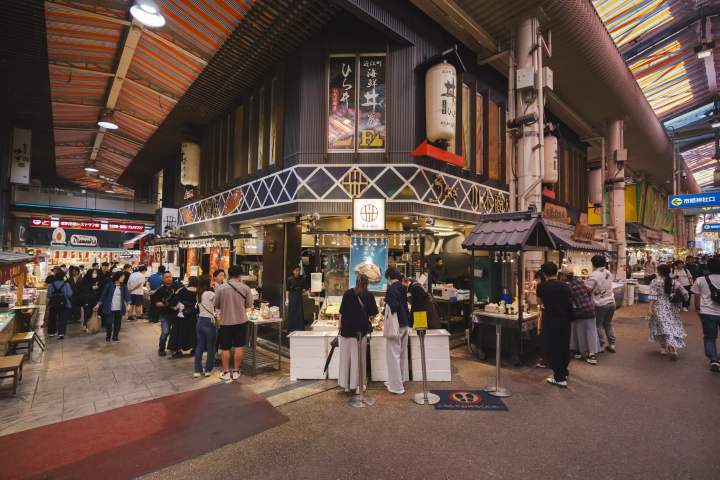
Begin the second day of your itinerary at Omicho Market, affectionately known as "Kanazawa’s Kitchen." This bustling arcade features around 170 shops and vendors showcasing the essential ingredients of local cuisine—from fresh seafood to regional fruits, vegetables, and pickles.
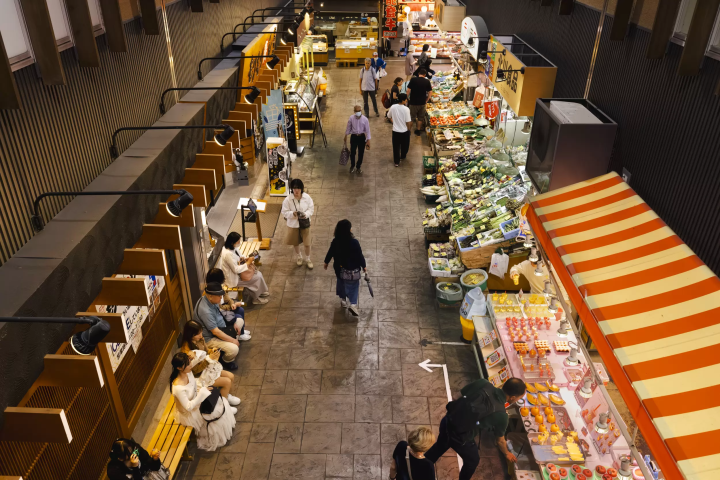
Many shops offer ready-made treats perfect for takeaway, while others feature eat-in counters where you can enjoy fresh sashimi or skewers grilled right before your eyes. Beyond the food, the market's true charm lies in people-watching; you'll see everyone from locals doing their daily shopping to professional chefs selecting the day's finest ingredients. To truly understand Kanazawa's culinary culture, a visit here is a must.
Omi-cho Market
Discover Kanazawa’s Crafts with a Walk in Nishi Chaya
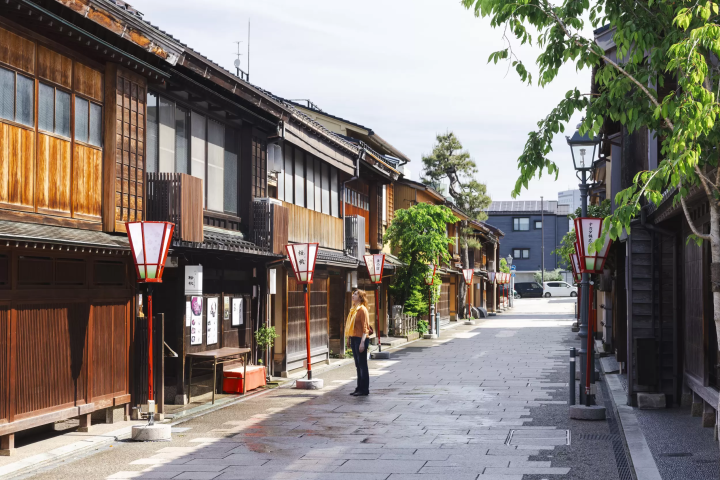
Next, take a stroll through Nishi Chaya, an elegant district with traditional architecture located just west of the city center. Along with Higashi Chaya and Kazuemachi, it is one of Kanazawa's three historic entertainment districts. In the morning, it is significantly quieter and easier to explore than its eastern counterpart.
The area boasts a refined atmosphere, where long-established kappo (traditional fine dining) restaurants occupy beautiful two-story teahouses adorned with distinctive wooden lattice windows. A leisurely walk reveals an array of cafés, souvenir shops, temples, and galleries. One highly recommended stop is the Kutani Kosen Kiln, where you can witness the creation of Kutani porcelain, one of Kanazawa’s most celebrated traditional crafts.
Nishi Chaya District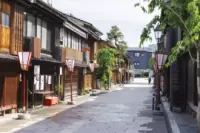
Workshop Tour at Kutani Kosen Kiln: Learn About Kutani Porcelain
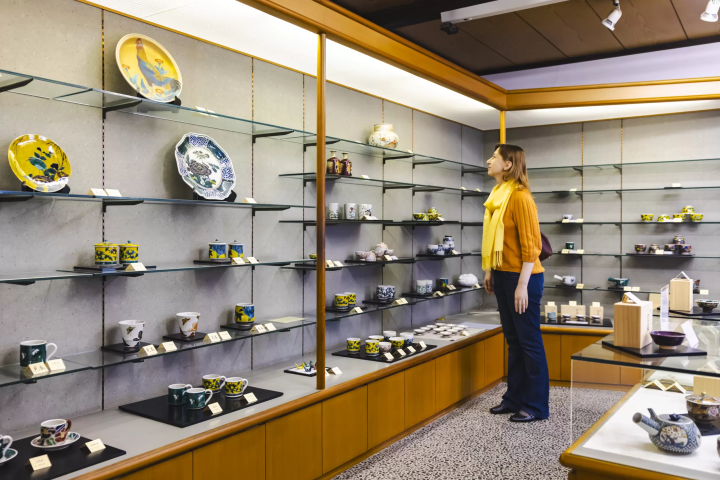
Kutani Kosen Kiln comprises the workshop itself, a shop, and a gallery. While the artistry on display in the shop is enough to leave you in awe, joining the 45-minute facility tour is highly recommended.
Led by professionals and available in English, this tour offers a deep dive into the history of the kiln and the unique characteristics of Kutani ware, complete with potter's wheel demonstrations and a look at the massive firing kilns.
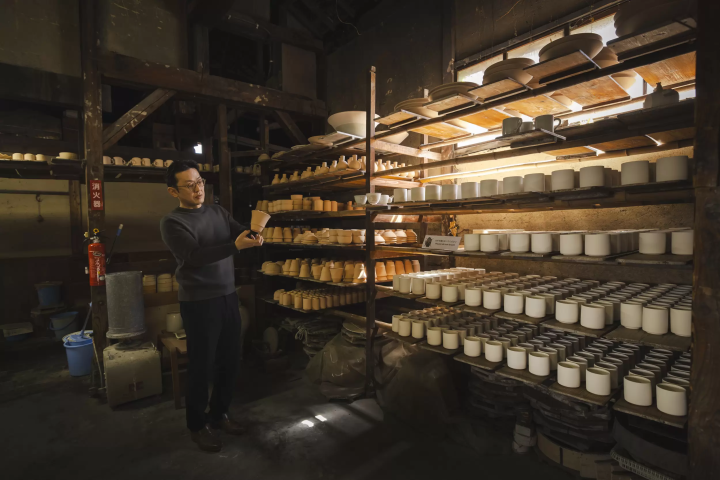
Kutani ware is made from a raw material called "toseki" (pottery stone), first discovered in Kutani village. It was this discovery that sparked the production of Kutani ware in the region south of Kanazawa. To achieve its delicate forms and vivid colors, pieces are typically fired three times across different kilns — and depending on the design or pigments used, sometimes as many as six times.
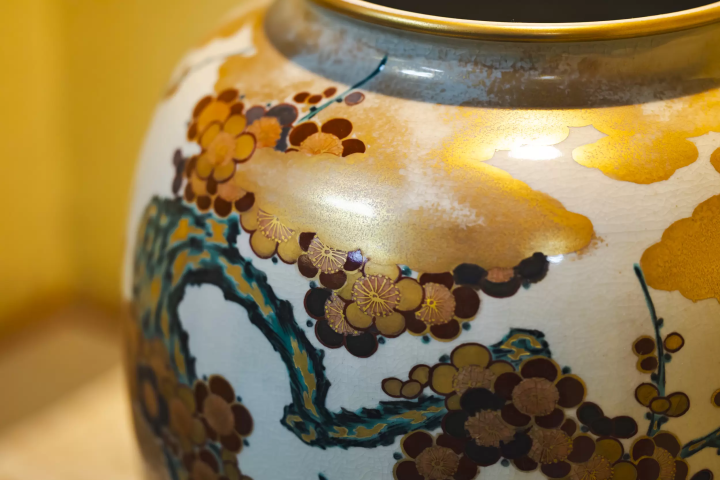
Since the Edo period (1603-1868), Kutani ware has traditionally featured a specific five-color palette: red, blue, green, yellow, and purple. Local lore suggests these vivid hues were born from the regional climate. Because Kanazawa winters bring heavy snowfall that covers the landscape in white for months, locals naturally craved vibrant colors in their daily lives—a cultural preference that beautifully distinguishes Kutani ware from other regional styles.
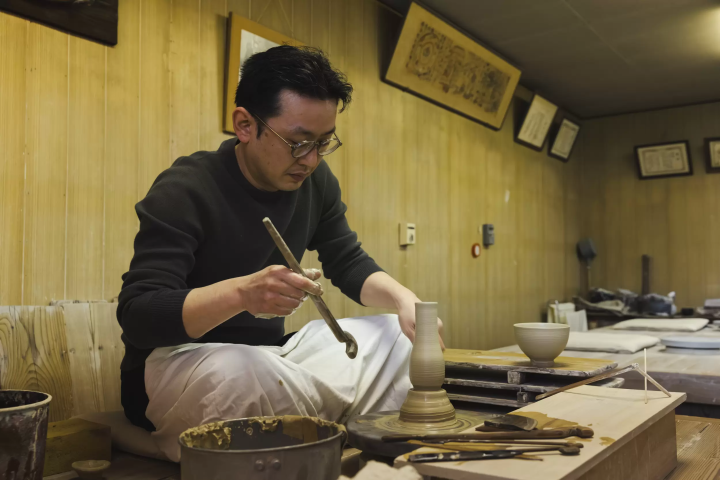
The potter's wheel demonstration is mesmerizing, as the experienced artisan effortlessly coaxes the raw clay into shape. The gallery showcases superb exhibits, ranging from elegant bowls used in the tea ceremony to intricate decorative plates.
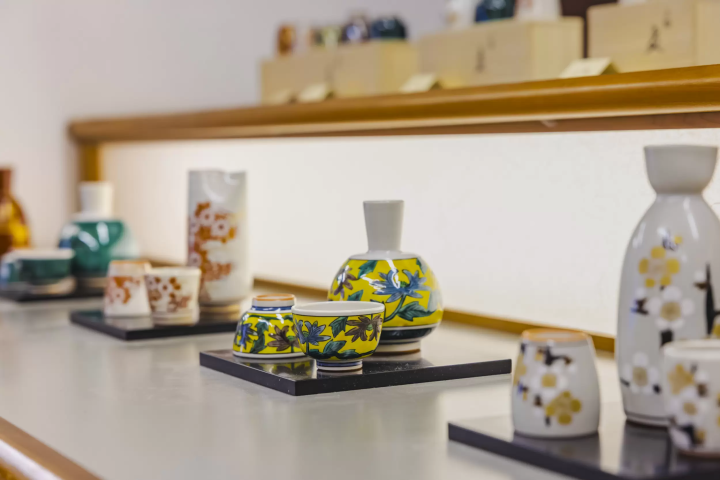
Any piece from Kutani Kosen Kiln makes a wonderful keepsake. The tokkuri and ochoko (sake carafe and cup) sets are especially popular with international visitors, offering a perfect blend of unique forms and vibrant colors to remember your trip by.
Kutani Ware Kutani Kosen Kiln
Lunch at Shijimaya Honpo: Kaburazushi and Tasty Dishes Using Fermentation
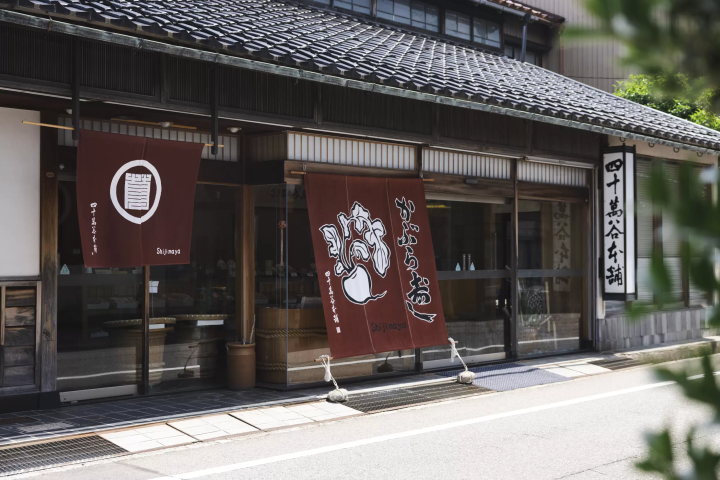
For lunch, head to Shijimaya Honpo (Yayoi Honten), a shop specializing in traditional Kanazawa pickles and fermented delicacies founded in 1875. Their signature item is Kinjo Kaburazushi—an auspicious regional sushi made by fermenting layers of crisp turnip, tender yellowtail, and malt (koji).
With its origins in narezushi—a type of fermented sushi originally crafted for winter survival—Kanazawa’s kaburazushi has evolved into a premium delicacy. Born out of a pursuit of pure umami, this special dish is now reserved for gifting and celebratory occasions.
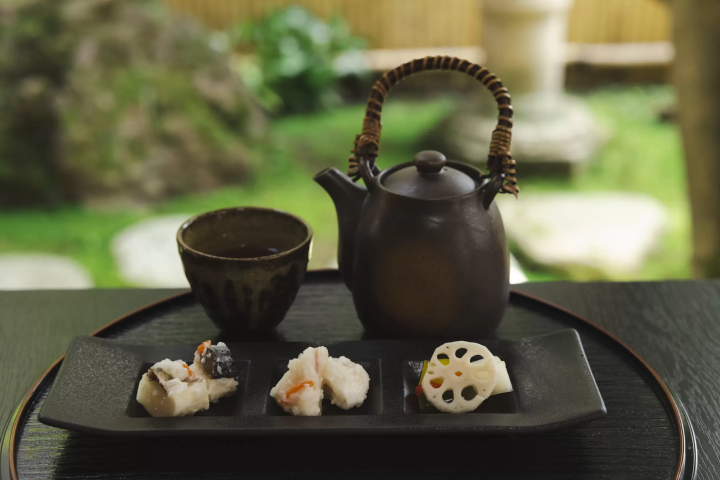
At the shop’s adjacent café, you can sample a tasting menu that includes both kaburazushi and daikon-zushi (made with salt-pickled daikon radish and herring marinated in koji). These unique specialties are also available to purchase in the shop, making the perfect accompaniment to Japanese sake.
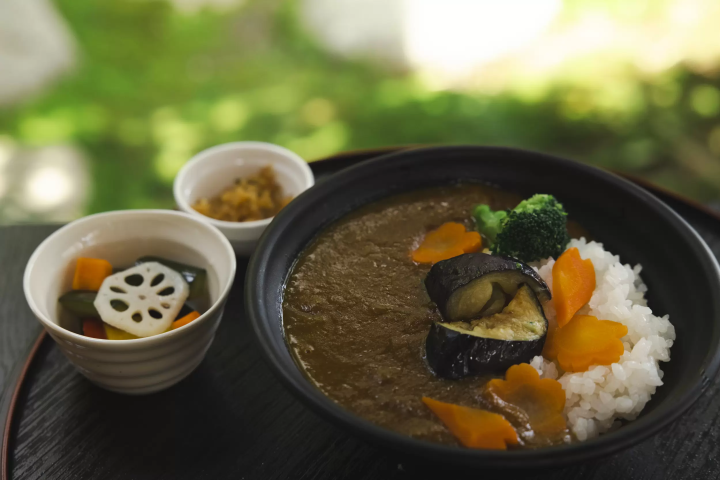
The lunch menu at Shijimaya Honpo features an array of umami-rich dishes, all brought to life through fermentation, including flavorful curry, onigiri (rice balls), and fried rice mixed with egg and miso-pickled vegetables. Each set meal is accompanied by colorful, vibrant Kanazawa pickles that are sure to win you over with their refreshing taste.
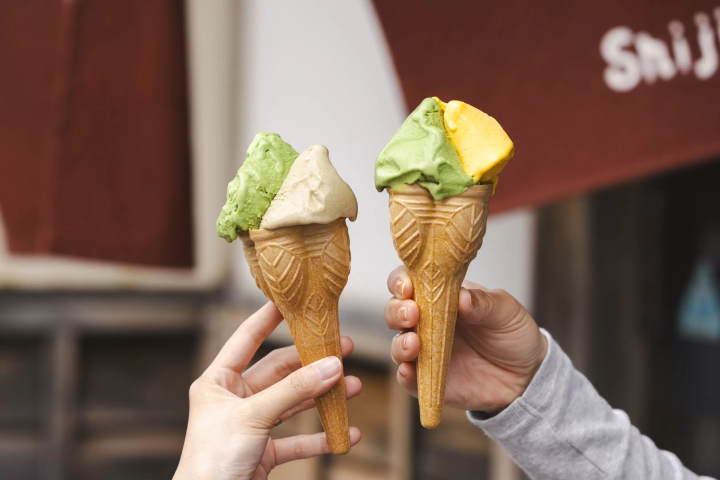
For dessert, do not miss the shop's signature artisan gelato. Featuring unique, locally inspired flavors like miso paste, pickled ume plum, and smoky Kaga bocha (roasted twig tea), it offers a delightful, modern showcase of regional food culture.
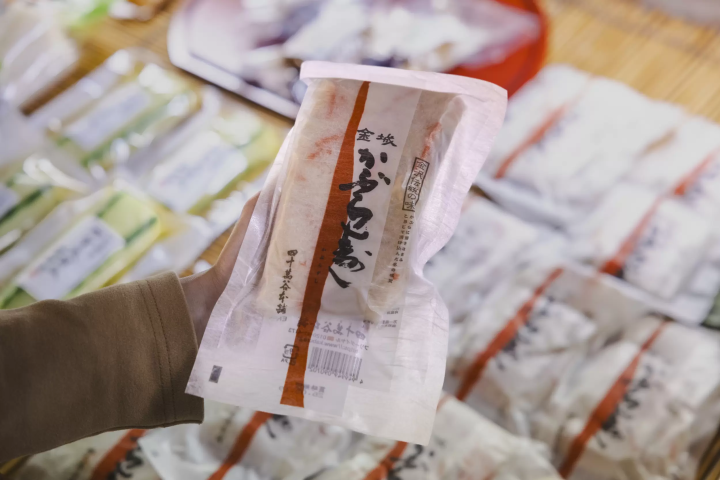
Beyond kaburazushi, the shop offers various types of Kanazawa pickles that are just perfect to pick up as souvenirs. Shijimaya Honpo also hosts popular workshops where you can learn to use koji malt in your daily life. Participants cut fresh vegetables and season them with koji to make koji pickles. If you are interested in joining, you can reach out via the contact form on Shijimaya's official website (*Workshops with English guidance are also available).
Shijumanya Honpo Yayoi Main Store
A Stroll Through Kanazawa’s Iconic Kenrokuen Garden
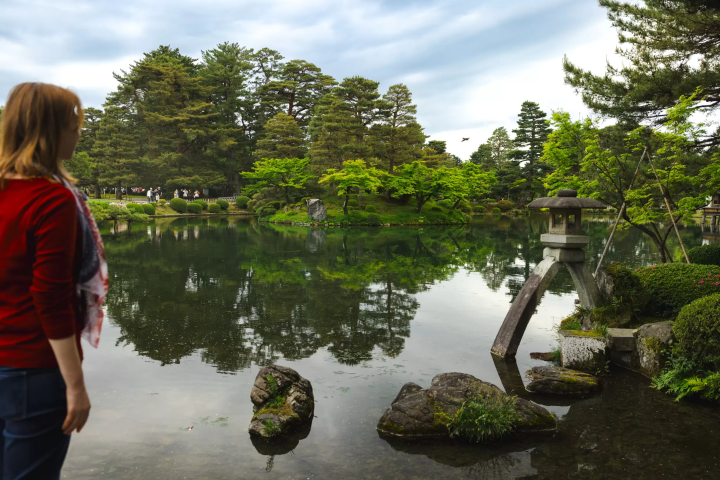
A trip to Kanazawa would not be complete without a stroll through Kenrokuen, a serene landscape widely considered one of Japan’s three most beautiful gardens.
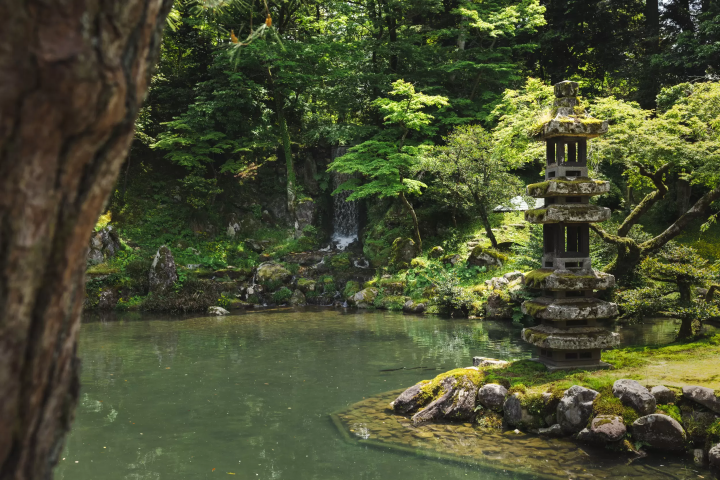
Kenrokuen’s history dates back to 1676, when the leadership of the Kaga Domain built its residence here and began landscaping the grounds adjacent to Kanazawa Castle. Developed meticulously over centuries, the garden now features ponds, traditional teahouses, stone lanterns, and bridges that make every corner postcard-worthy.
While each season brings its own distinct beauty, a winter visit offers the rare chance to witness yukizuri—intricate umbrella-like rope systems designed to protect the pine branches from heavy snow.
Kenrokuen
Sweets and Fermentation: Tea Time at Café Kan Main Store
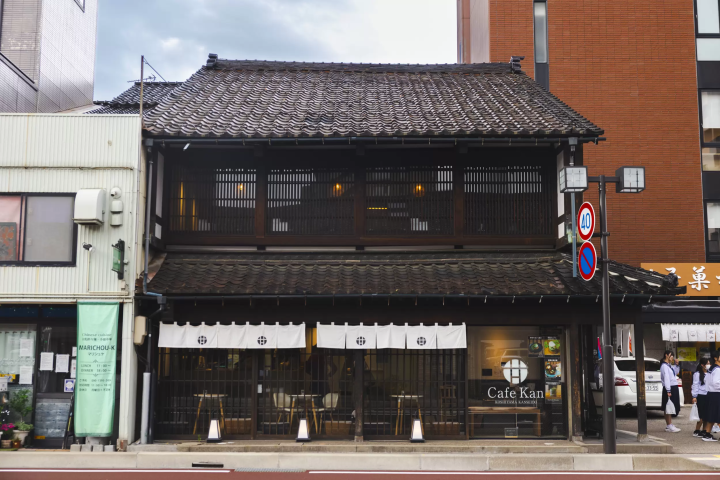
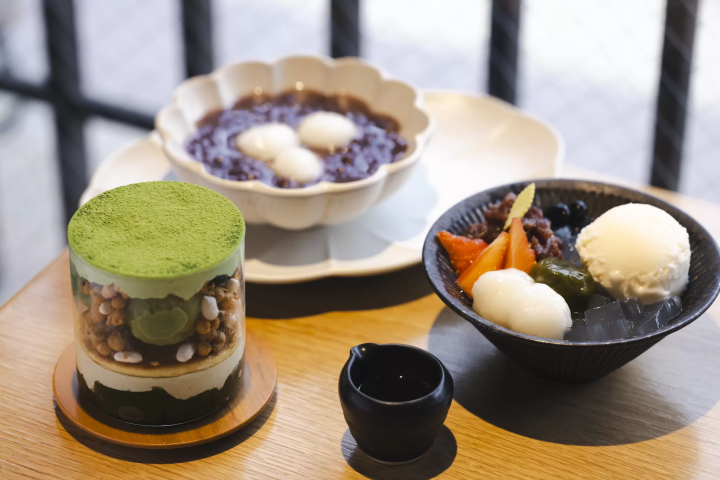
In the late afternoon, drop by Café Kan for sweet treats paired with coffee or tea. The café is operated by Koshiyama Kanseido, a prestigious wagashi (traditional Japanese sweets) maker established in 1888. A true pioneer in the craft, they have revolutionized traditional confections by introducing fermented azuki (red beans) and navy beans. By harnessing the power of koji rice malt to ferment the beans, they create naturally sweet, lower-calorie treats without sacrificing flavor.
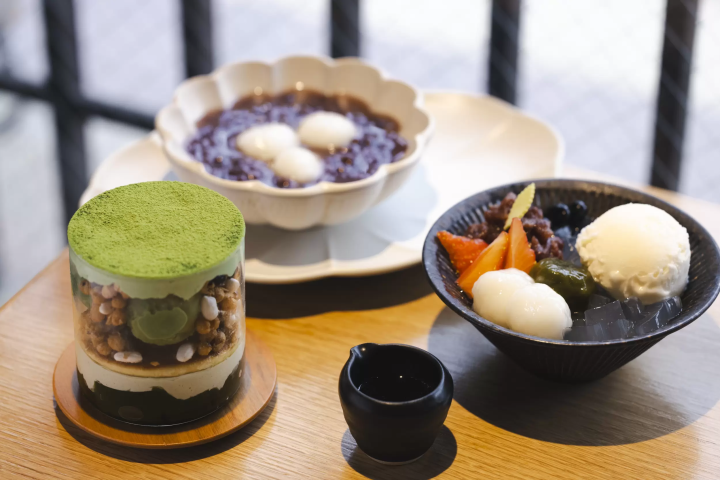
At Café Kan, you can experience this innovative ingredient across a wide range of desserts—from traditional classics like anmitsu (sweet bean and jelly dessert) and zenzai (sweet red bean soup) to creative parfaits that fuse Japanese traditions with modern tastes. These specialized fermented beans are developed at AZUKI de HAKKO, the brand's dedicated research laboratory located right next door.
What makes these desserts truly remarkable is their mellow sweetness. By reducing sugar content by roughly half, the clean sweetness and deep umami drawn out through fermentation allow the natural flavors of the ingredients to shine, leaving you feeling refreshed and energized.
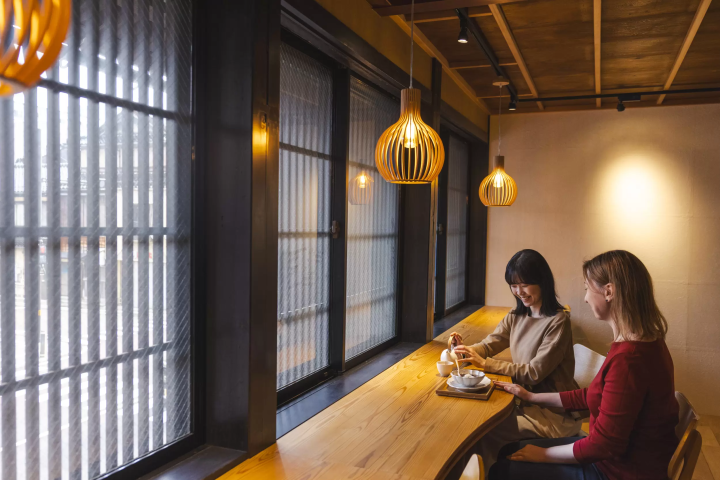
The café itself occupies a beautifully renovated machiya (traditional Kanazawa townhouse). Its cozy second-floor tatami room offers the perfect atmosphere to unwind.
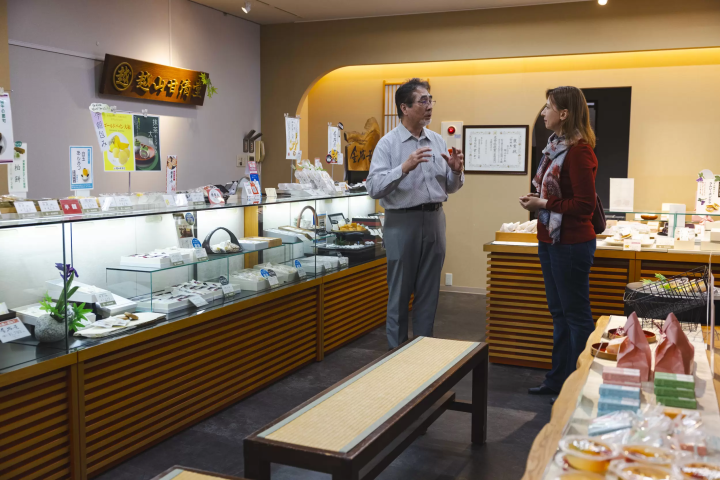
Located right next door to Koshiyama Kanseido’s main store, it is incredibly convenient to shop for souvenirs after your treats.
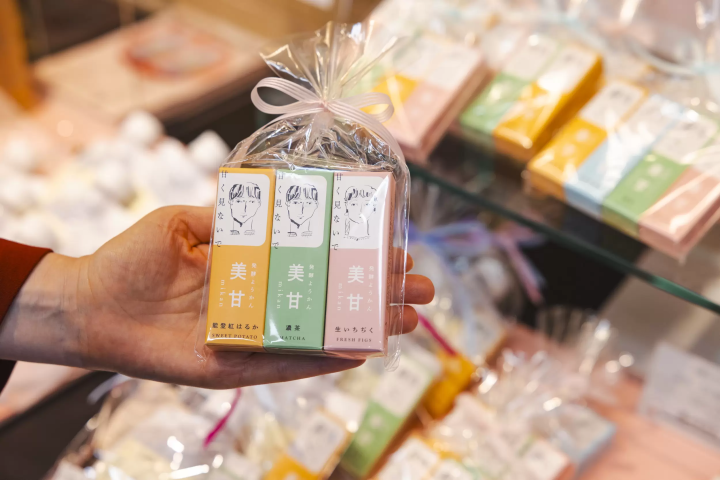
For gifts to take home, look for shelf-stable confections that do not require refrigeration. Their signature Hakko Yokan (sweet bean jelly) crafted with fermented azuki beans (red beans) is a fantastic option to share the unique flavors of Kanazawa with family and friends.
Cafe Kan Main Store
Exploring the Depths of Kanazawa Cuisine Through Fermentation
By the end of this itinerary, you will discover that Kanazawa’s culinary scene runs far deeper than what is found in standard travel guides. The city’s history-rich soy sauce culture, the innovative uses of koji, and health-conscious fermented desserts are just a few of the fascinating facets waiting to be uncovered.
We hope you enjoy your journey and return home enriched with delicious memories, insights, and inspiration.