
Shizuoka tea is said to have first been cultivated in Ashikubo by Shoichi Kokushi, a Buddhist priest born in Tochizawa, Aoi Ward, during the Kamakura period, who returned from Song (China) after completing his Buddhist training. Ieyasu, who loved Shizuoka tea, established a town (tea town) specializing in tea trading within the castle town of Sunpu. Why not take a tea tour of the Suruga region while thinking about Ieyasu's time?

Written by
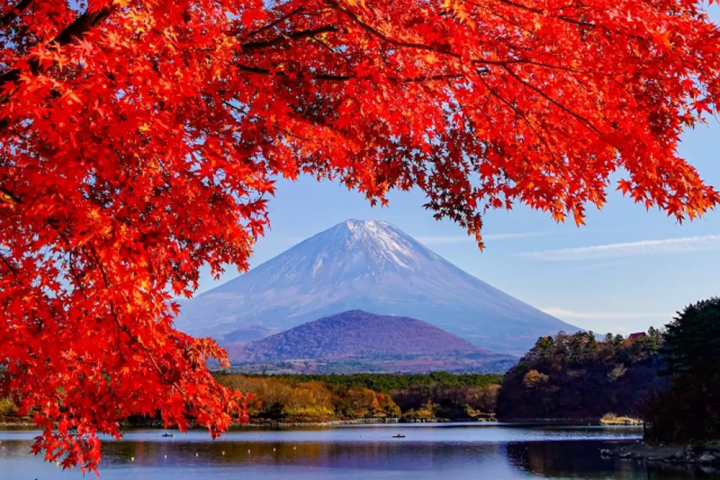
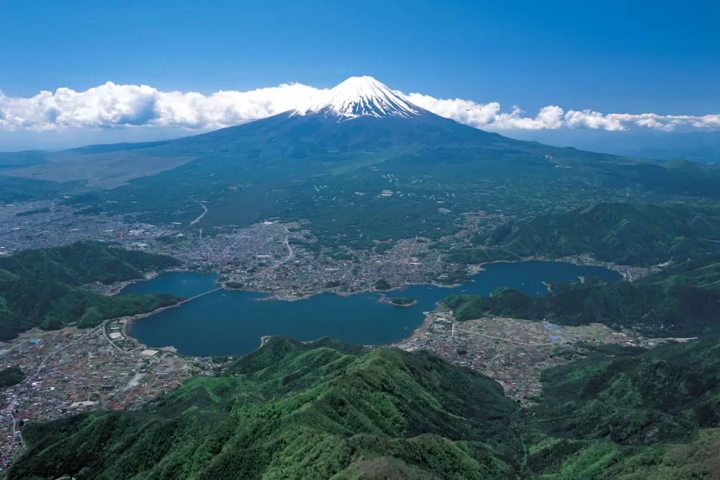
With a view of Mt. Fuji, Suruga region is blessed with nature from the majestic Southern Alps to Suruga Bay, the deepest bay in Japan. The most eye-catching features throughout the region are the beautiful tea plantations. Suruga serves as an internationally renowned hub for tea production and features a local culture steeped in tea harvesting. Your curiosity will be piqued by the "tea terroir" that gives each region its own character, and you will be entertained by the scenery of Suruga and its teas. We are committed to helping you to organize your travel and MICE experiences. Suruga is located between Tokyo and Nagoya and is extremely accessible, taking only about 1 hour by Shinkansen bullet train and 1 hour 40 minutes from Osaka, making it possible to combine visits with other major cities. It is also conveniently accessible with Mt. Fuji Shimizu Port, one of Japan's leading cruise ports and Mt. Fuji Shizuoka airport. 【Authentic travel experience】 There are adventure travel programs such as Suruga sustainability E-Bike tour around tea farms and Suruga tea experience tour feeling the climate in a place away from the hustle and bustle of the city. You can also learn about traditional tea ceremony and tea utensils. Shimizu Port, which flourished with tea export business, is called the world's best port for viewing Mt. Fuji from Suruga Bay, which attracts many cruise ships and marine activities such as yachting and swimming. Mineral-rich waters from several rivers flow into Suruga Bay, making it an ideal place for fishery. Visitors can taste fresh local fish such as horse mackerel, skipjack tuna, whitebait, golden eye snapper and cherry color shrimp which can only be caught in Suruga Bay in Japan. 【MICE】 Suruga is suitable destination hosting MICE events. We would like to propose to you four styles of "MICE" depending on your purpose and/or request. “MICE in scenic resort” is one. “Urban MICE” at a city hotel by Shinkansen station is another idea. The third recommendation is “Large-scale MICE event” in a convention center. And last but not least, “Trade fair/Exhibition” at the largest event hall outside Tokyo can be something unique to your clients. In particular, "Resort MICE" is highly recommended for use at award ceremonies because of the wonderful view of Mt. Fuji in the backdrop. We have many unique venue options associated to Mt. Fuji such as the "Chartered Ship" and "Garden Parties at Hotels with Mt. Fuji view, as well as our highly recommended excursions to Shizuoka’s unique "Green Tea Industry", "Suruga Bay, Japan's deepest bay" and "sightseeing around the Mt. Fuji area ". As Japan’s No.1 green tea producing destination, participants are sure to experience something special through visiting tea plantations, factories, and stepping into Suruga’s local authenticity.
Sansuien ~Exploring the roots of Shoichi Kokushi, the origin of Shizuoka tea that Ieyasu loved to drink~
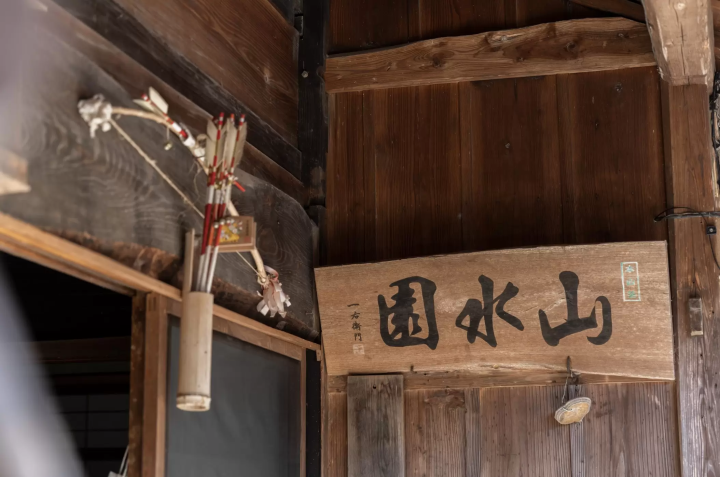
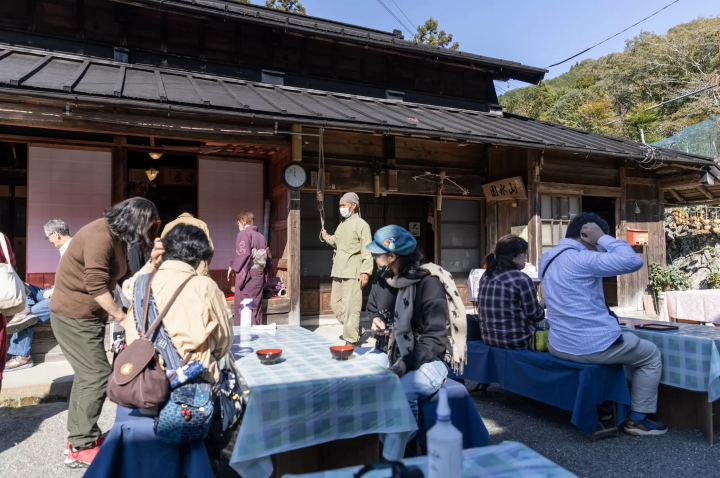
Okusu is a tea farm that has been in business since the Edo period in the Satoyama area of Tochizawa. Since the 1980s, they have been serving tea on the veranda of their home, and are also pioneers of "veranda cafes." The water used for the tea served at Sansuien is spring water from Tochizawa. Both the leaves and the water are full of the natural bounty of Tochizawa, making it truly a "dashi from the mountains." This is tea that can only be tasted here. Tea ceremonies are held at their home several times each year, attracting Sansuien tea fans from all over the country.
Gyokuro no Sato - Experience tea culture in an authentic teahouse -
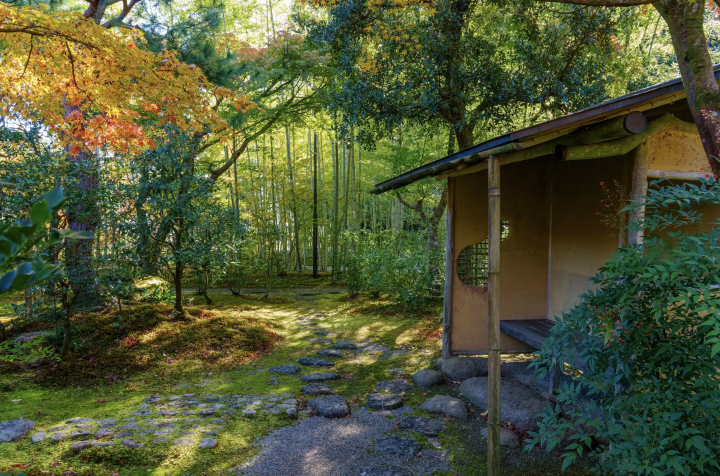
The Asahina River basin is one of the three major producing areas of gyokuro. You can taste authentic gyokuro at Hyogetsutei, located on the grounds of the Gyokuro no Sato roadside station.
Experience the tea ceremony in a Japanese-style room overlooking the pond or in a full-fledged tea room. The moment you take a sip of gyokuro, you will surely be surprised by the umami flavor that spreads softly like dashi stock. You can also learn about the etiquette of the tea ceremony and about tea leaves and tea utensils while enjoying Japanese sweets and tea.
Also located at Roadside Station Gyokuro no Sato is the restaurant Chanohanatei, which serves green tea soba noodles and dishes made with local ingredients. They also sell Gyokuro tea, local sake, and fresh agricultural products.
Shidoro-yaki Hikojigama ~Pottery experience at the historic Shidoro-yaki kiln~
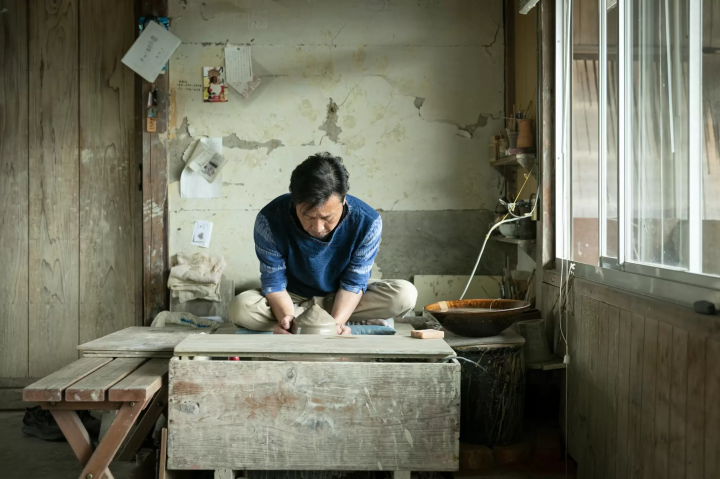
Shimada City is the production center of Shidoro ware, a traditional craft that has been continued since the end of the Edo period. It is also one of the "Seven Enshu Kilns" selected by the tea master Kobori Enshu.
The reason behind this is the iron-rich soil. Because it fires hard, it was historically used to make teapots. The Hikojigama kiln was protected by Tokugawa Ieyasu, who issued a "red seal certificate for pottery" (a city-designated cultural property) to potters living in Shidoro, Enshu.
"Shidoroyaki Ippuku" is a two-hour activity where you can make pottery at "Shidoroyaki Hikojigama" and have a cup of green tea. You can take a cup of tea while listening to the history of the land from Mr. Maruyama, the fifth generation owner, and take another cup of tea while admiring the tea bowls and teacups you made yourself. You can enjoy green tea while thinking about history.
See information about Shidoro ware Hikojigama
Suruga Workshop Takumi-yado ~A place that connects the history and future of Suruga~
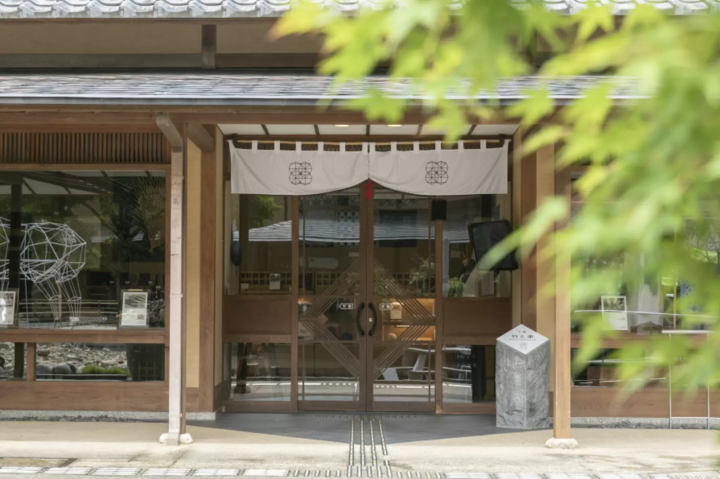
A traditional craft of Suruga that has been handed down since the Imagawa and Tokugawa periods.
In addition to being able to experience a variety of crafts such as Suruga Bamboo Sensuji Crafts, which are still cherished today, Japanese dyeing, woodworking, lacquer, and pottery, you can also enjoy experiences in a model workshop supervised by Tamiya.
We recommend "tea dyeing," a combination of tea and the Suruga Japanese dyeing method that has been rooted in this area for a long time. The tannins in the tea bring out the color, allowing you to create your own original dyed items. Unsellable tea leaves are used lavishly as dye, and boiled tea leaves are recycled as compost.
After the experience, you can purchase souvenirs from Shizuoka and crafts from around the country in a space that lavishly uses crafts and wood, such as "Suruga Bamboo Sensuji Crafts." In addition, at the cafe "HACHI & MITSU," you can enjoy original drinks made with honey from the local Muramoto Bee Farm in Maruko, as well as food made with seasonal ingredients.
This is a facility where you can enjoy a whole day, with restaurants such as "Yogurumi Kintsuba Tokiya," which has inherited the flavor of a famous restaurant in Izumigaya, and "The COFFEE ROASTER," where you can relax and unwind.






![[Tokyo, Shinjuku] Buy Matcha Here! 2 Long-established Japanese Tea Shops Where You Can Get the Authentic Taste!](https://resources.matcha-jp.com/resize/720x2000/2025/09/24-245090.webp)