The Noto Peninsula stretches north from Ishikawa Prefecture, and along its west coast, scenic roads offer the perfect setting for a drive with the Sea of Japan close at hand. This journey explores Noto’s west coast, where beautiful satoyama and satoumi landscapes are complemented by the local ways of life and culture that have developed over generations, as well as encounters with the people who call the region home.

-
Table of Contents
- 1. Drive Along the Shoreline on the Chirihama Nagisa Driveway
- 2. Pray for Safe Travels and Meaningful Connections at Keta Taisha
- 3. Explore the Dramatic Rock Formations of Noto Kongo from Land and Sea on the Ganmon Cruise
- 4. Look for Seashells and Relax by the Sea at Masuhogaura
- 5. Discover the Land of Noto Through the Cuisine of Umibe no Somamichi
- 6. Explore the Zen Town of Monzen, Starting at the Zen no Sato Koryukan
- 7. Experience 700 Years of Zen History at Sojiji Soin
- 8. Stay Overnight and Continue Your Journey Along Noto’s West Coast
This trip along the west coast of Noto begins at the Chirihama Nagisa Driveway, where you can drive along the shoreline. It then takes you past Keta Taisha Shrine, the Ichinomiya (first-ranked shrine) of Noto Ichinomiya, to Noto Kongo with its rugged, strangely shaped rocks, to the beautiful white sandy beach of Masuhogaura, and finally to Monzen- Motoyama in Wajima City , where you can experience the Zen culture that has flourished around Sojiji Soin Temple, the head temple of the Soto sect. The appeal of this trip is not only to see the scenery of the satoyama (rural landscape) and satoumi (coastal landscape), but also to encounter the faith, food, and lifestyle that have been nurtured there.
The Noto Peninsula suffered significant damage in the January 2024 Noto Peninsula Earthquake and is still in the process of recovery and reconstruction. Furthermore, heavy rains on August 27, 2026, caused flooding in Hodatsushimizu Town, Hakui City, Shika Shika Town, and other areas. Despite these repeated disasters, the region continues its efforts to restore livelihoods and tourism. The spots and facilities introduced here did not suffer significant damage from the heavy rains and are still open for tourism. However, road and facility conditions may change, so please check the latest information before visiting and enjoy your trip to Noto.
1. Drive Along the Shoreline on the Chirihama Nagisa Driveway
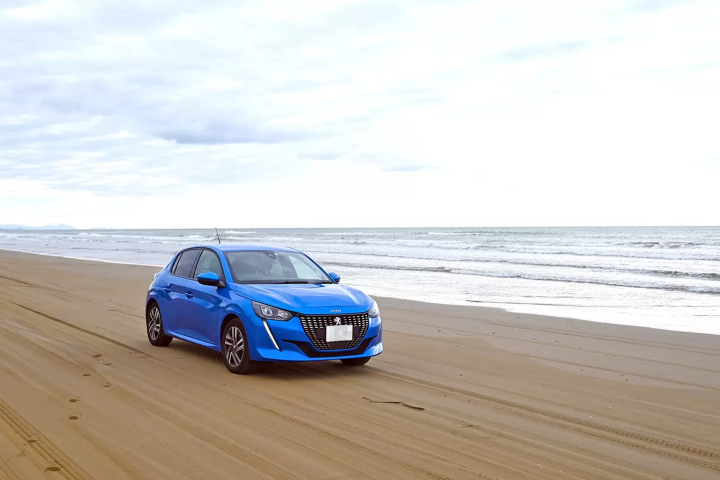
A trip along the west coast of Noto begins at the Chirihama Nagisa Driveway, the only place in Japan where you can drive a regular car along the shoreline. From Kanazawa, it takes about 30 to 40 minutes by car to reach the Chirihama Nagisa Driveway, which spans Hodatsushimizu Town and Hakui City.
The sand at Chirihama Beach has very fine particles and hardens when it absorbs seawater. Therefore, you can drive on it with a regular passenger car or rental car, not just a special 4WD vehicle. It's also possible to drive on it with a motorcycle or bicycle.
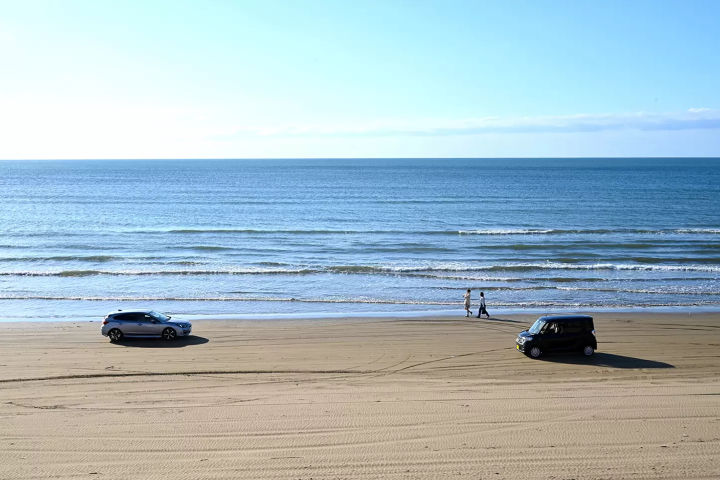
Open the windows and let in the sea breeze, with the Nihon Sea right beside you. Parking your car and walking along the waterline, or taking photos of your car with the sea in the background are some of the unique pleasures of Chirihama. In the summer, you can also enjoy swimming, sand sculptures, and beach huts.
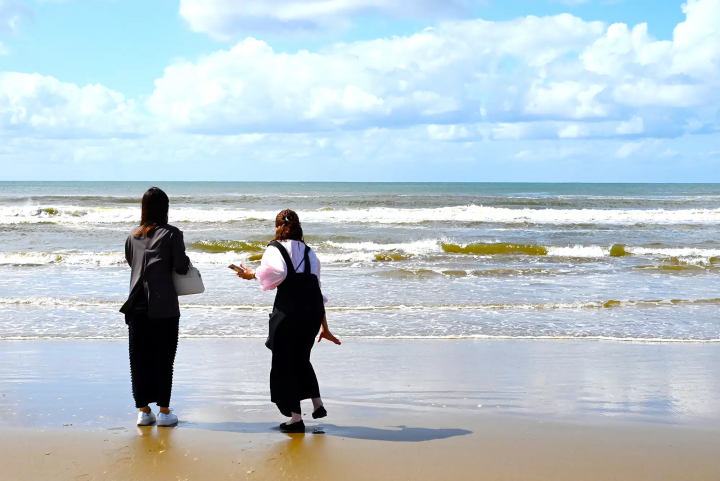
Not only is it beautiful during the day when the blue sea sparkles, but it's also recommended in the evening. Driving along the same beach while watching the sun sink below the horizon offers a completely different view than during the day. Furthermore, if you're lucky, you might even see a fantastical landscape shrouded in morning mist before dawn when there are fewer people around.

However, traffic restrictions will be imposed if it is deemed unsafe to travel, such as when the waves are high. Before departing, be sure to check the traffic conditions on Ishikawa Prefecture's "Ishikawa Road Information Network."
For a break during your trip, the Noto Senrihama Rest House, located at the northernmost entrance on the Hakui side, is a convenient option. It features a shop selling Noto souvenirs, a beachside barbecue restaurant, a cafe with ocean views, and bicycle rentals are available. The second floor also has a co-working space with a panoramic beach view, making it convenient for research or desk work during your trip.
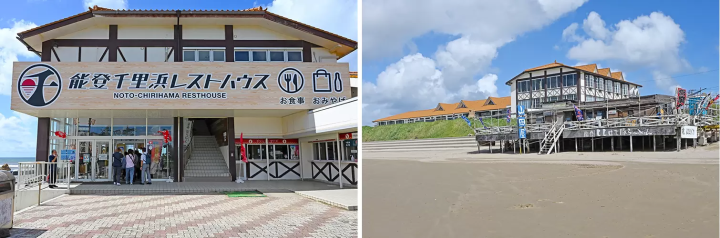
Chirihama Nagisa Driveway
Overall section: From Chirihama-cho, Hakui City , Ishikawa Prefecture Prefecture to Imahama, Hodatsushimizu Town(approximately 8km in length) Access: There are entrances and exits at Imahamaguchi, Yanaseguchi, Chirihama ICguchi, and Chirihama Northguchi. Access from the "Imahama IC" and "Chirihama IC" on the Noto Satoyama Expressway is convenient. How to check for traffic restrictions: Ishikawa Road Information Network https://douro.pref.ishikawa.lg.jp
Hodatsushimizu Town Commerce and Tourism Division: 2nd Floor, Hakui Hodatsushimizu Town Hall, 18-1 Koura , Hodatsushimizu Town, Hakui-gun , Ishikawa Prefecture TEL 0767-29-8250 https://www.hodatsushimizu.jp/kanko/kanko/3/chirihama_nagisa_driveway/1461.html
Hakui City Tourism Association / Hakui City Commerce and Tourism Division : 2F , Ishikawa Prefecture Hakui City Hall, 200 Asahi cho , Hakui City, Ishikawa Prefecture TEL 0767-22-5333 (10:00-16:00) https://noto-hakui.com https://www.city.hakui.lg.jp/kankou/kankoushisetsu/3168.html
2. Pray for Safe Travels and Meaningful Connections at Keta Taisha
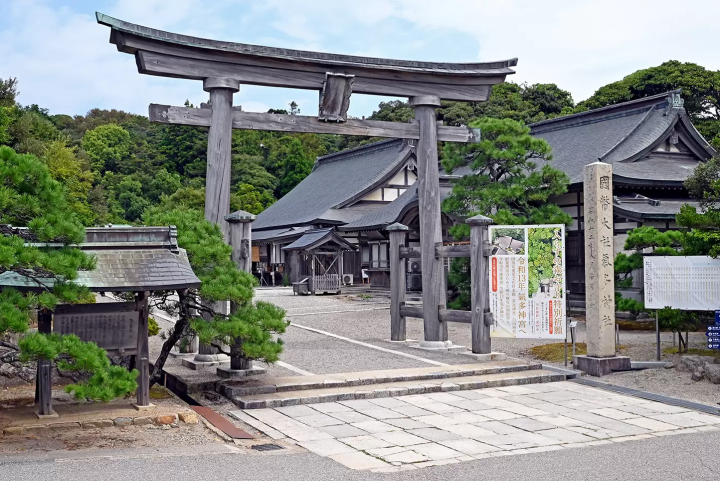
About a 10-minute drive from Chirihama, before heading north through Noto , you'll want to stop by Noto Taisha, the Ichinomiya (first-ranked shrine) of Noto Ichinomiya , located in Hakui City . It is one of the oldest shrines in the Hokuriku region, said to have a history of over 2,100 years, and the Manyoshu anthology contains a poem written by the poet Otomo no Yakamochi, who was the governor of Etchu Province in 748, when he visited the shrine.
The enshrined deity is Ōnamuchi-no-Mikoto, also known as Ōkuninushi-no-Mikoto, and is worshipped as the god of nation-building, matchmaking, and guidance. Keta Taisha Shrine is said to be a shrine where a lot of "ki" (energy) gathers, so why not visit and pray for a safe journey through Noto and for good encounters?
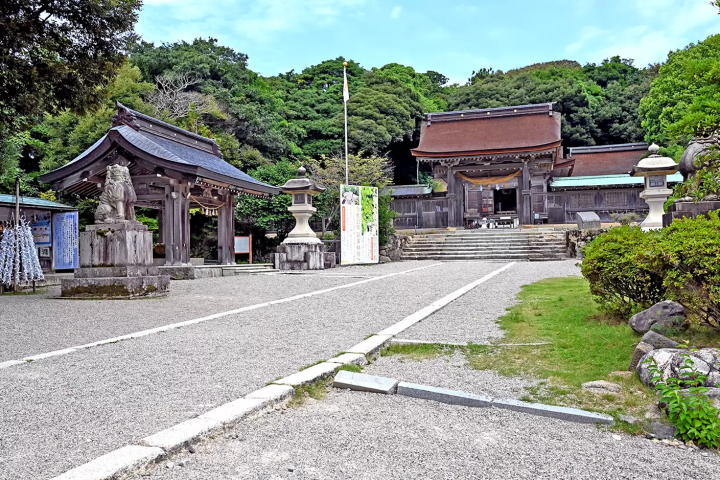
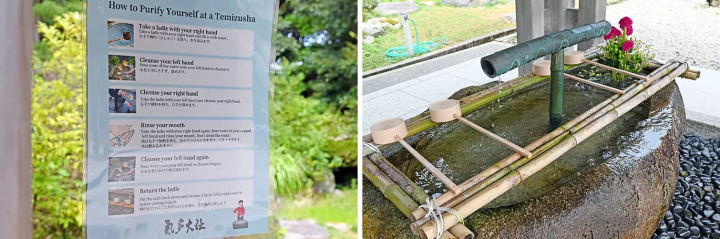
Behind the temple grounds lies the "Irazu-no-mori" (Forbidden Mori), a national natural monument. This primeval forest covers approximately 10,000 tsubo (about 33,000 square meters) and has long been considered a sacred area where human entry has been restricted. Even today, it remains off-limits except for Shinto priests who enter once a year.
Furthermore, the main hall, Wakamiya Shrine, and Hakusan Shrine, all designated as important national cultural properties, are scheduled to have their cypress bark roofs replaced between 2030 and 2031.
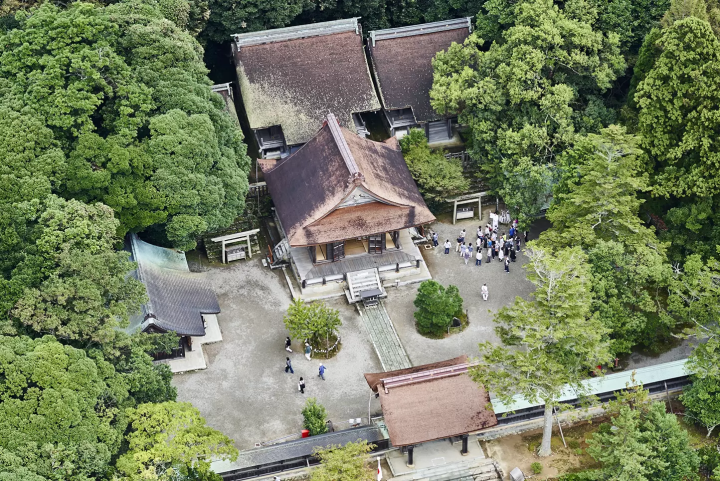
In 2030, a relocation ceremony will be held due to construction work, during which the three deities will be temporarily moved to the main hall, offering a rare opportunity to worship them up close. Then, in 2031, the shrine is scheduled to change its name to "Keta Jingu," continuing the legacy of its ancient name, "Keta Daijingu." Keta Taisha is moving towards the next era while preserving its long history. This milestone is definitely worth watching. (The timing may change depending on the progress of the construction.)
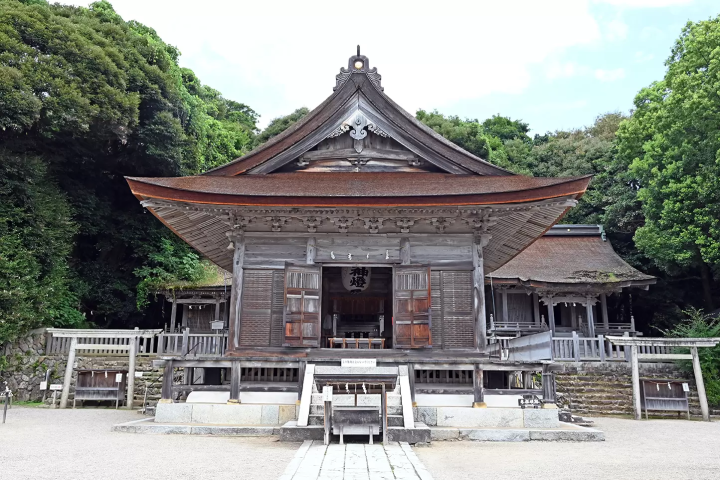
Keta Taisha, the Ichinomiya (first-ranked shrine) of Noto Province
[Location] 1-1, Jike-machi, Hakui City, Ishikawa Prefecture TEL 0767-22-0602 [Hours] Prayer reception 8:30-16:00 [Admission] Free admission *Separate fee for prayers in the main hall [Closed] Open all year round https://keta.jp
3. Explore the Dramatic Rock Formations of Noto Kongo from Land and Sea on the Ganmon Cruise
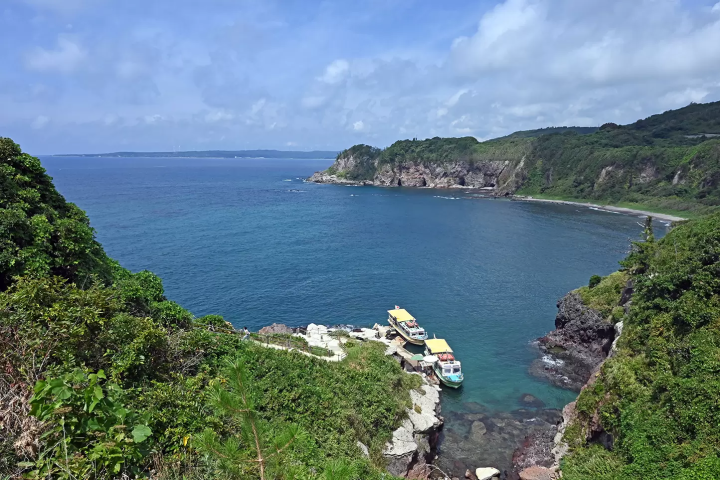
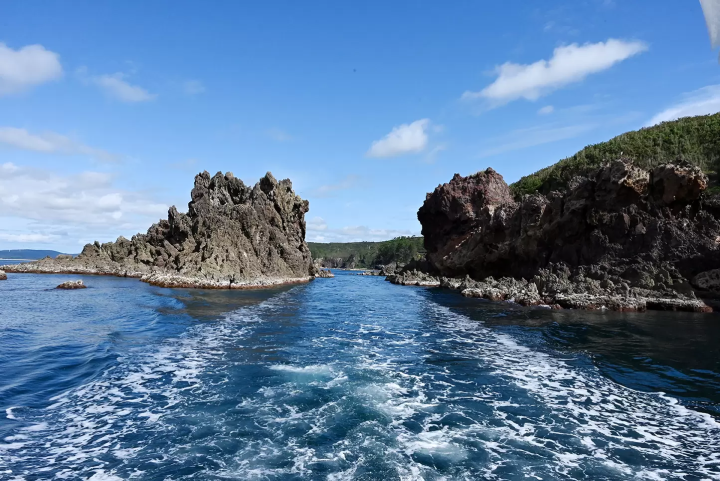
Traveling Kitakami the coastline from Hakui City , you will reach Shika Town. From here, the dynamic scenery created by the Nihon Sea continues, and the approximately 29-kilometer stretch of coastline from Fukura Port to Sekinohana is known as "Noto," a representative scenic spot of Ishikawa Prefecture with its series of steep cliffs and strangely shaped rocks.
Fukuura flourished as a trading hub with the Balhae Kingdom on the mainland from the 8th to 10th centuries, and during the Edo period, it was extremely lively with the traffic of Kitamae ships. It is still known today for having Japan's oldest wooden Western-style lighthouse.
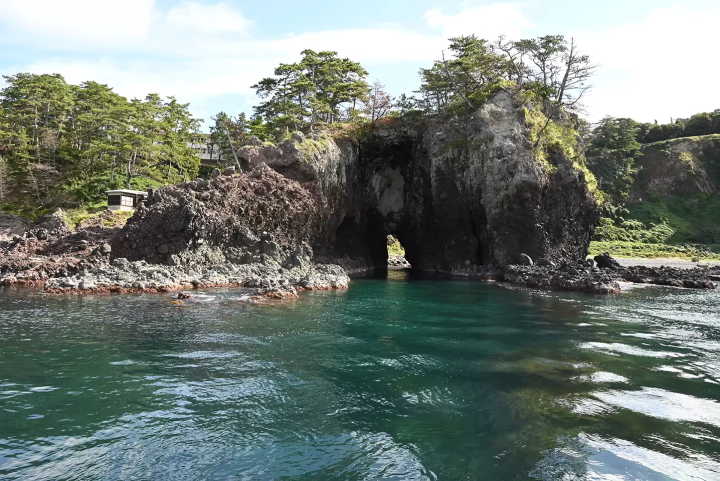
Located almost in the Chuo of Noto is Ganmon, one of Noto's most representative scenic spots, where you can see the natural beauty of a massive rock formation with a large hole carved out by the erosion of the rough waves of the Sea of Nihon Sea up close. Even just viewing it from the walking path is impressive, but if you have time, be sure to take a ride on the Noto sightseeing boat.
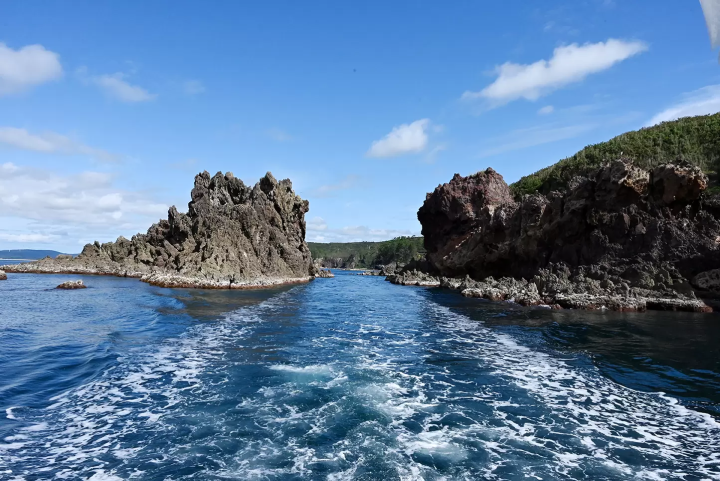
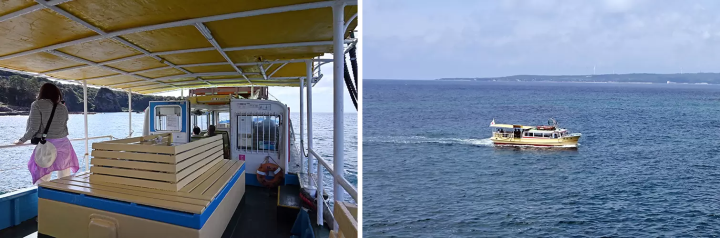
The approximately 20-minute cruise offers views of Ganmon from the sea and takes you past distinctive rock formations such as Takanosu-iwa, Senjojiki-iwa, and Goban-jima. With the clear waters of the Sea of Japan close below, looking up at the towering rock walls from the boat offers a completely different sense of scale and power from the views on land.
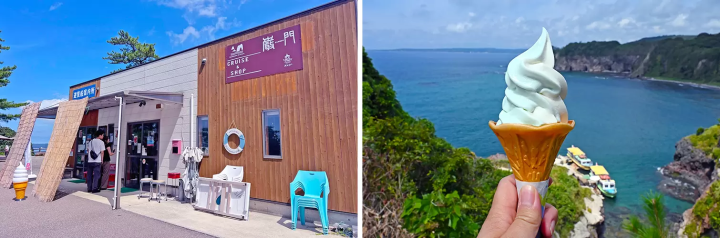
The area was affected by the 2024 Noto Peninsula Earthquake, but the sightseeing boat has since resumed operations. In recent months, it has attracted young travelers from across Japan, while the number of international visitors has also been growing. According to the operator, many visitors also take advantage of discounts for the sightseeing boat by using coupons available on the official website.The area was affected by the 2024 Noto Peninsula Earthquake, but the sightseeing boat has since resumed operations. In recent months, it has attracted young travelers from across Japan, while the number of international visitors has also been growing. According to the operator, many visitors also take advantage of discounts for the sightseeing boat by using coupons available on the official website.
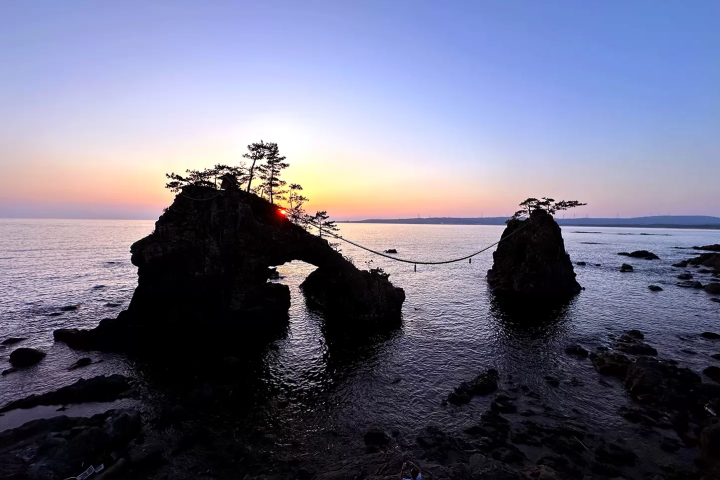
The surrounding area offers countless sights to see, including the famous "Yase Cliff," which served as the setting for Matsumoto Matsumoto's novel "Zero Focus" and was later made into a film, and "Hatagoiwa," known as the "Married Couple Rocks" where two rocks stand side by side and where a legend of the god of weaving remains. While gazing at the clear blue sea is highly recommended, this area is also famous for its sunsets, where the sun setting over the Nihon Sea paints the strangely shaped rocks and cliffs red, so you should definitely enjoy the evening scenery as well.
Noto Sightseeing Boat Information Center Ganmon Cruise & Shop
[Location] Ganmon, Hakui Shika Town Ishikawa Prefecture 0767-48-1261 [Hours] 9:00-16:00 [Closed] Late November to mid-March (winter closure), during inclement weather [Fare] Sightseeing boat: Adults 1,600 yen, Elementary school students 800 yen Sightseeing time: Approximately 20 minutes Operating hours: Around 9:00-16:00 Operating period: Mid-March to mid-November https://ganmon.jp
4. Look for Seashells and Relax by the Sea at Masuhogaura
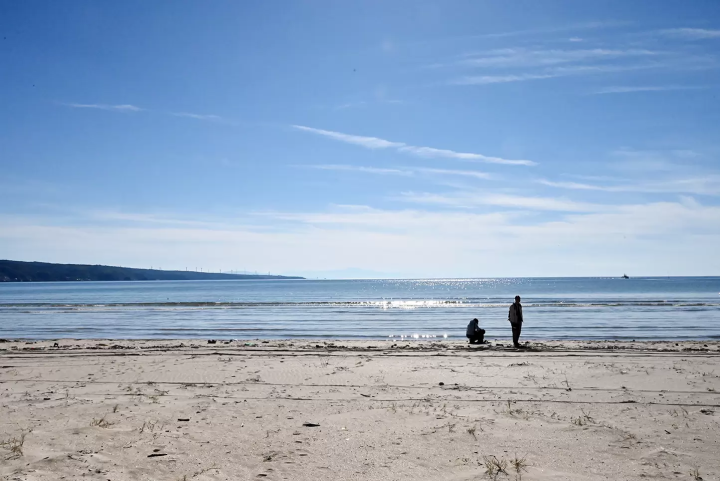
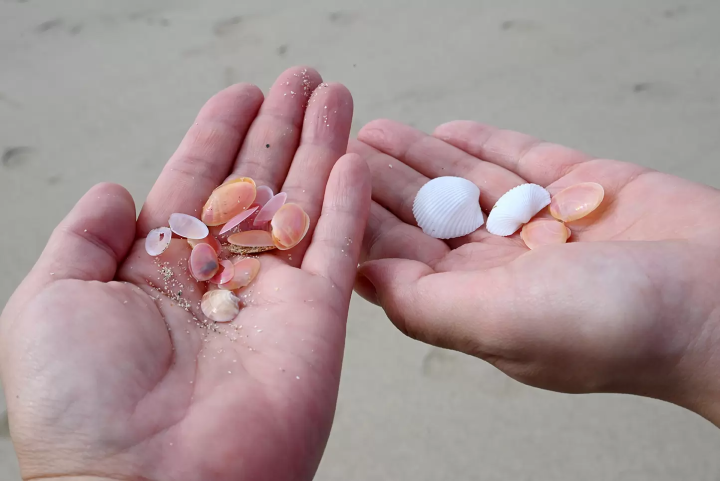
Continuing north from the rugged rock formations of Noto, the scenery changes dramatically as you reach the Togi area, where the beautiful white sandy beaches and the blue Nihon Sea of Masuhogaura appear. While Masuhogaura is charming in the summer, from autumn to winter it is known as one of Japan's leading spots for the collection of colorful seashells, including cherry blossom shells, that wash ashore.
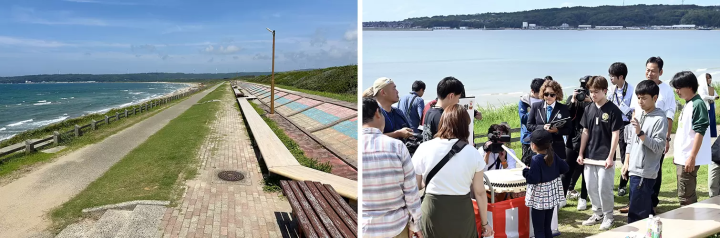
The "world's longest bench," measuring 460.9 meters along the coast, was recognized by Guinness World Records in 1989 as the world's longest bench. Although it no longer holds the title of the world's longest bench, it remains an iconic spot in Masuhoura. And in 2024, a new world record was set at this very location. 269 people performed a relay-style drumming performance using traditional local drumming techniques, which was also recognized by Guinness World Records.
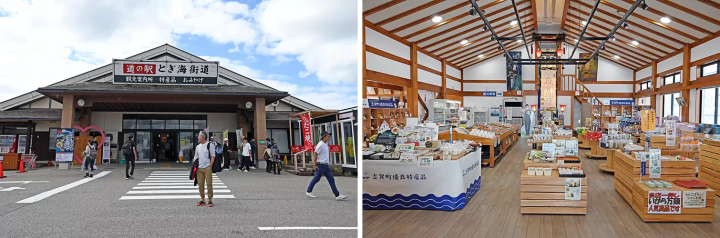
Just a short walk away is Michi-no-Eki Togi Umikaido, a roadside station where visitors can see a collection of beautiful seashells. Inside, you can also shop for local souvenirs and enjoy a meal.
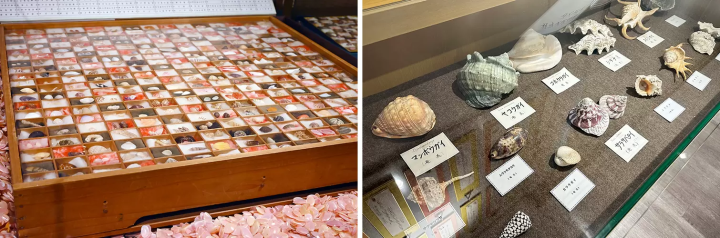
And one activity I'd really like to participate in is the "Thirty-Six Immortal Poets Shell Collection." You can get a special collection box sold at roadside stations and other locations, and collect 36 designated types of small seashells on the beach. Prizes are awarded depending on the number of shells you collect. The small seashells placed in the beautiful collection box will surely become a memento of your trip from the sea of Noto.
Michi-no-Eki Togi Umikaido
[Address] 3-5, Tomikiryoke-cho , Shika Town -machi, Hakui Ishikawa Prefecture TEL 0767-42-0975 [Hours] March-November 9:00-17:00, December-February 9:00-16:00 [Closed] March-November: Open daily, December-February: Closed on Thursdays https://togi-michinoeki.com
5. Discover the Land of Noto Through the Cuisine of Umibe no Somamichi
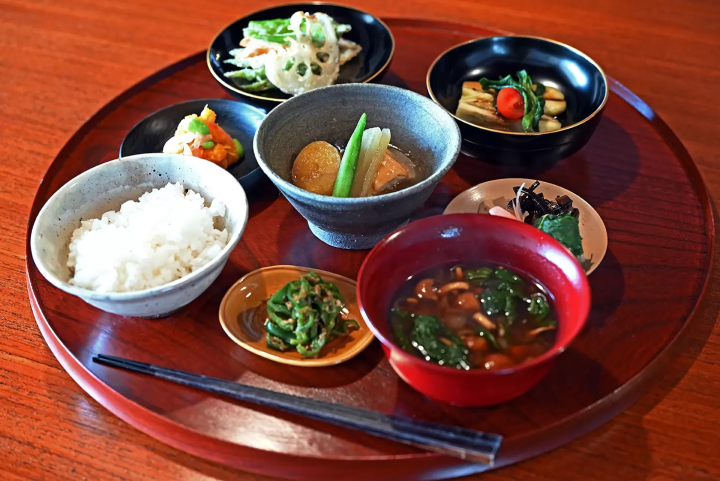
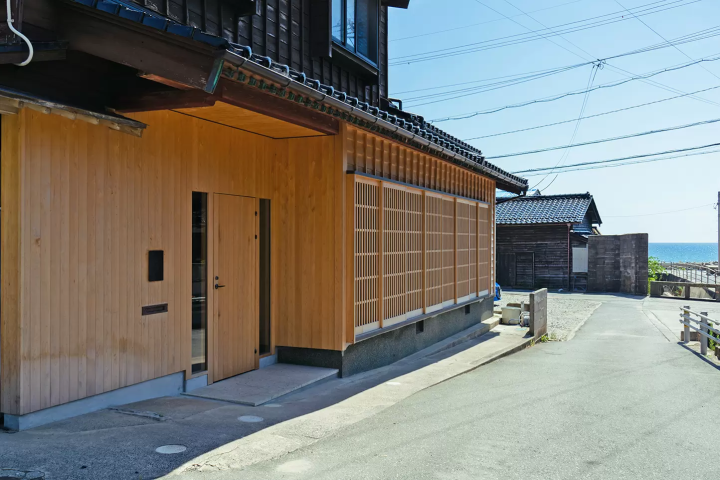
Continue north along the coastal road to Monzen, Wajima City. For lunch, head to Umibe no Somamichi, a restaurant located by the sea in Kaiso.Continue north along the coastal road to Monzen, Wajima City. For lunch, head to Umibe no Somamichi, a restaurant located by the sea in Kaiso.
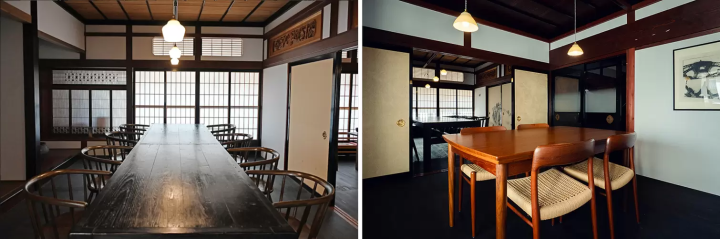
Originally a study and guesthouse for lacquer artist Akito Akagi, this old mountain house was renovated and reopened in 2023 as "Saryo Somamichi," an auberge where guests can enjoy the cuisine of head chef Yutaka Kitazaki and stay overnight.
However, the building was severely damaged in the Noto Peninsula Earthquake that occurred on New Year's Day 2024, shortly after its opening. After a limited period of operation in Kanazawa, the building in Shikaiso, which had originally been used as the editorial office of Akagi's publishing company, was renovated in the autumn of the same year and reopened as "Umibe no Soma Michi" (Seaside Forest Path).
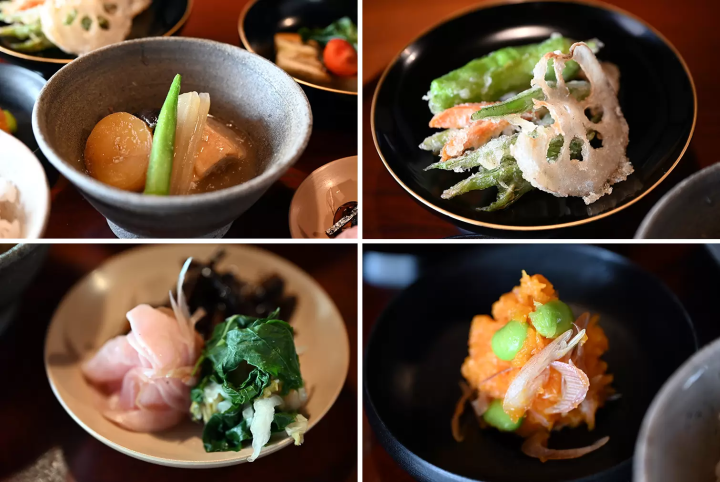
Previously, it was a restaurant primarily serving dinner to hotel guests, but now it offers lunch without reservations and dinner by reservation, making it easy for locals and travelers to drop by. The dishes use vegetables, wild plants, and seaweed from the Noto.
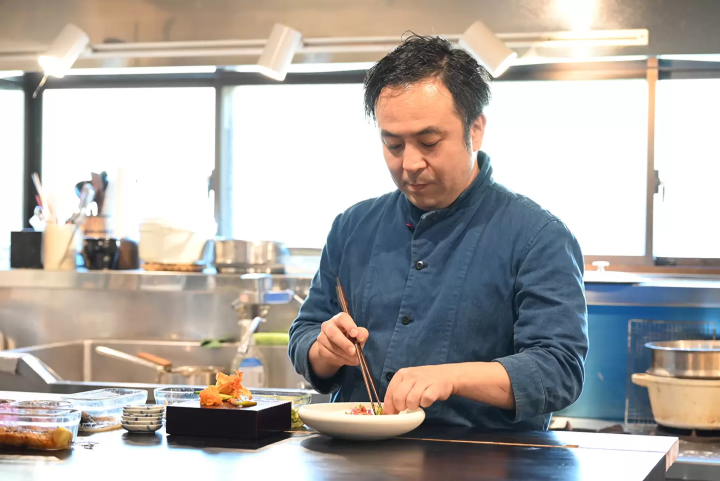
While they use seafood and meat in their dinner menu, they can also offer vegetable-only dishes, making it popular with those with dietary restrictions. Above all, head chef Kitazaki focuses on bringing out the natural flavors of the ingredients, and he puts meticulous thought into how he uses seasonings such as salt and soy sauce.
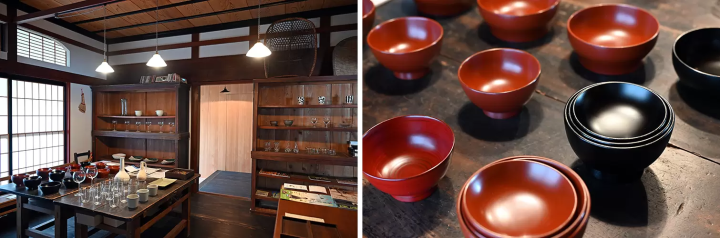
The dishes are served on lacquerware by Akagi Noto and other artisans with ties to Noto. The sea, the mountains, seasonal ingredients, the tableware, and the time spent eating in that place—while also feeling the meaning of eating here, which is so important to Chef Kitazaki, who is well-versed in Zen and philosophy, try to savor the very essence of the Noto region.
Umibe no Somamichi
[Address] 1-17 Kaiso, Monzen-machi, Wajima City Ishikawa Prefecture TEL 090-4605-3737 [Hours] Lunch: Wednesday, Thursday, Friday, Saturday 11:30-15:00 (Last Order 14:30), Dinner: Reservations required [Closed] Lunch: Sunday, Monday, Tuesday *Please inquire for Sunday-Tuesday [Price] Lunch: Vegetable Dish Set Meal + Small Dessert 3,000 yen / Vegetable Dish Only 6,600 yen (Reservations required) / Vegetable Dish + Fish Dish 13,200 yen (Reservations required) / Chef's Choice Course Meal 19,800 yen (Reservations required) Dinner: Chef's Choice Course Meal 19,800 yen (Reservations required) https://somamichi.jp https://www.instagram.com/_somamichi
6. Explore the Zen Town of Monzen, Starting at the Zen no Sato Koryukan
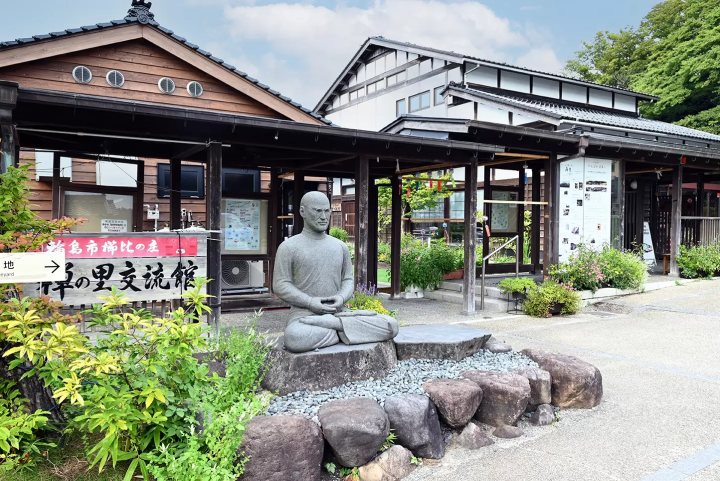
With a history spanning some 700 years, Sojiji Soin is a historic head temple of the Soto Zen school and gave the temple town of Monzen its name. Before visiting this important center of Zen Buddhism in Japan, start at the Zen no Sato Koryukan.
At the Zen no Sato Koryukan, panels and videos introduce the origins of Sojiji, the training of Zen monks, and the history of how the temple town of Monzen developed around the temple. During the Edo period (1603–1868), Sojiji followed a system known as rinju-sei, under which head priests from Soto Zen temples throughout Japan took turns serving at Sojiji. Monks traveling to Noto from distant parts of the country arrived aboard Kitamaebune merchant ships, landing at the port of Kuroshima, about a seven-minute drive away today.
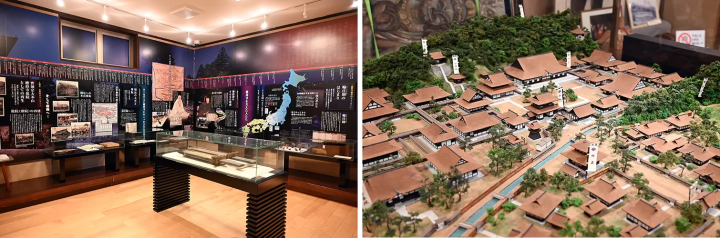
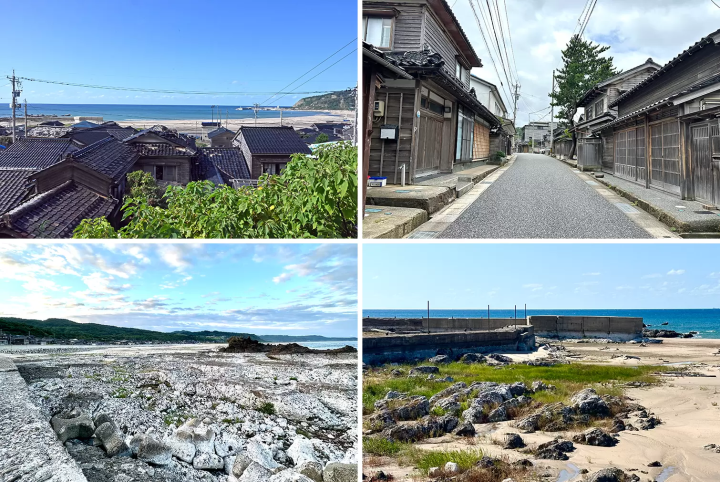
From the Edo period through the mid-Meiji period, Kuroshima flourished as a port of call for Kitamaebune merchant ships and as a community of shipowners. Wealthy shipowners who made their fortunes in maritime trade built impressive residences here, creating a distinctive historic townscape. On June 30, 2009, Kuroshima was designated by the Japanese government as an Important Preservation District for Groups of Traditional Buildings.
Many of these historic buildings were lost or severely damaged in the 2024 Noto Peninsula Earthquake. Even today, however, traditional houses with distinctive black-glazed roof tiles, weatherboard-clad exterior walls, and lattice windows still line parts of the streets, preserving traces of Kuroshima’s historic character.
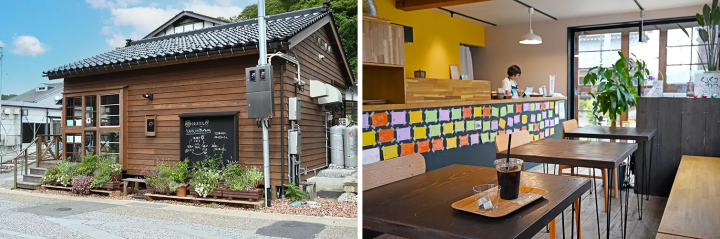
After learning about the area’s history at the Zen no Sato Koryukan, walk through the town toward Sojiji Soin. Along the way, you’ll find Kurukuru Cafe, a café and coin laundry that opened after the earthquake, as well as local businesses operating from temporary premises.
Today, Monzen offers a glimpse of both sides of the town: the historic temple town that developed around Sojiji Soin, and new places that have emerged since the earthquake. Seeing both offers a sense of Monzen as it is today.
For those who want to learn more, you might consider joining a study tour that combines a visit to the Zen Village Exchange Center, a walk around the town, and a guided tour of Sojiji Temple's main hall.
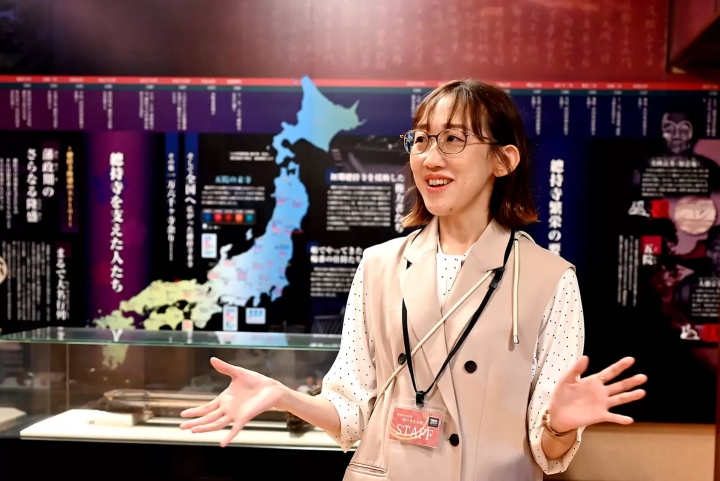
For a deeper understanding of the area, consider joining the study tour “Learning from 700 Years of Sojiji and Monzen: Toward the Future of Reconstruction.” The tour costs 5,000 yen per group and is guided by Anri Miyashita of the Zen no Sato Koryukan.
Admission fees for Sojiji Soin and the Zen no Sato Koryukan are not included in the tour fee and must be paid separately. Reservations must be made by phone at least five business days in advance. Cancellations must be made at least two business days in advance.
Wajima City Kushihinosho Zen no Sato Koryukan
[Location] 6-10 Hashiride, Monzen-machi , Wajima City Ishikawa Prefecture TEL 0768-42-3550 [Hours] 9:00-17:00 (Last entry at 16:30) [Closed] Mondays and New Year holidays [Admission Fee] Adults 320 yen, Elementary, Junior High, and High School Students 150 yen https://www.city.wajima.ishikawa.jp/docs/2013030600032
7. Experience 700 Years of Zen History at Sojiji Soin
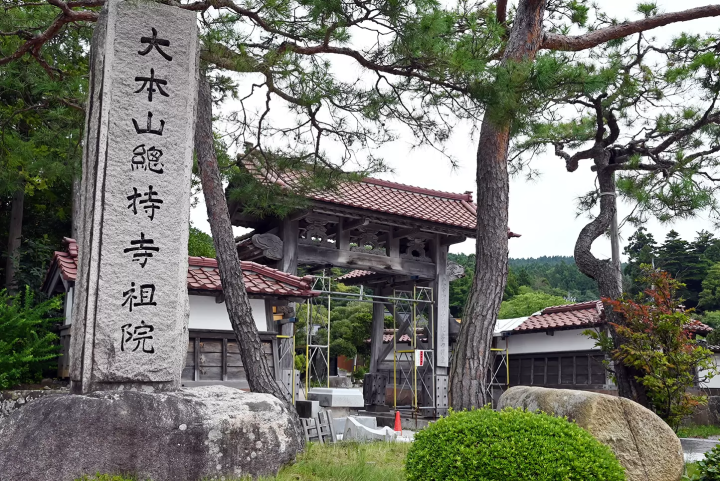
Sojiji was founded in 1321 by Zen master Keizan Jokin. During the Edo period (1603–1868), it was officially recognized by the shogunate as a head temple of the Soto Zen school. With strong support from the Kaga Domain, local residents, and followers, the area around the temple flourished as a temple town.
In 1898, a major fire destroyed many of the temple buildings, and its function as a head temple was later transferred to Yokohama in Kanagawa Prefecture. The original temple in Noto was rebuilt as Sojiji Soin—an ancestral temple that preserves the roots and history of the Soto Zen tradition. Today, it continues to pass on the history and heritage of its centuries as a head temple of Soto Zen.
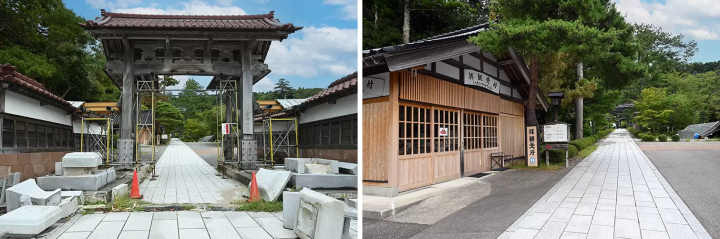
Within the temple grounds stand a number of impressive structures, including the Sanmon gate, Hatto, or Dharma Hall, and Butsuden, or Buddha Hall.
The 2007 Noto Peninsula Earthquake caused extensive damage to the temple, including the complete collapse of its zendo, or Zen meditation hall. Restoration took 14 years and cost approximately 4 billion yen. The work was finally completed in 2021, the year Sojiji Soin marked the 700th anniversary of its founding.
Just three years after this long restoration was completed, another major earthquake struck on January 1, 2024. The approach to the temple, purification pavilion, sub-temples, corridors, and other areas were damaged. Major structures such as the Sanmon gate, however, were protected from collapse thanks in part to seismic reinforcement carried out after the 2007 earthquake.
The temple nevertheless suffered extensive damage, and restoration work is once again underway.
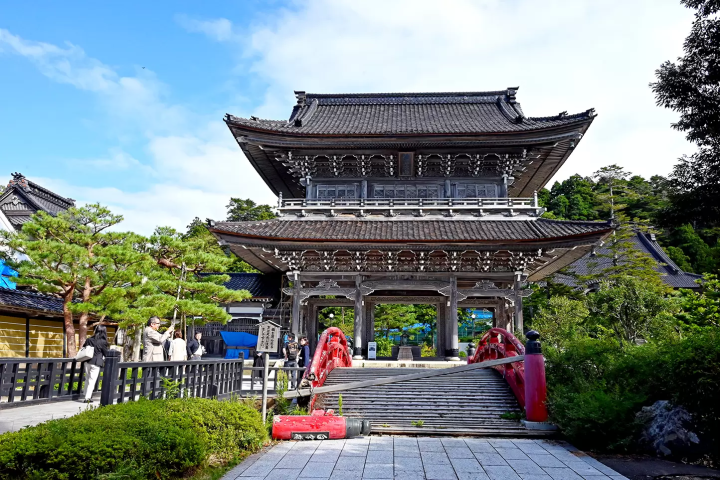
Amid these ongoing recovery efforts, 16 buildings at Sojiji Soin were designated as Important Cultural Properties of Japan in December 2024. The designation has provided a significant source of hope for the temple’s recovery and restoration.
Restoring these Important Cultural Properties and other buildings within the temple complex is expected to take at least 12 years.
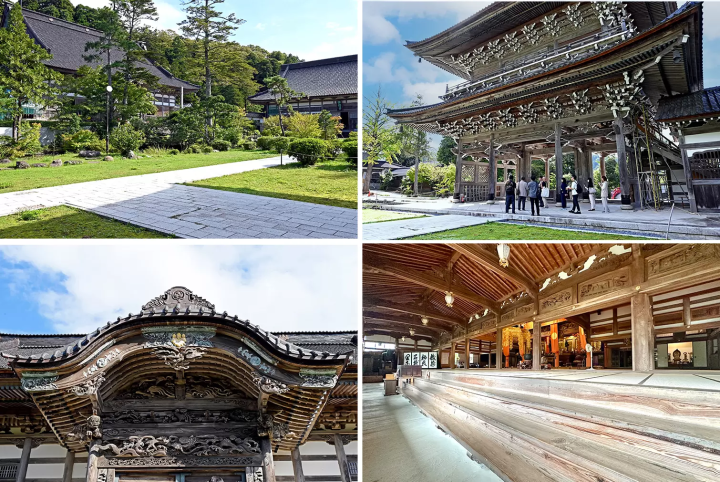
Currently, restoration work is underway on the temple grounds and buildings, but it is possible to visit and tour most areas, and guided tours of the buildings are available with prior reservation.
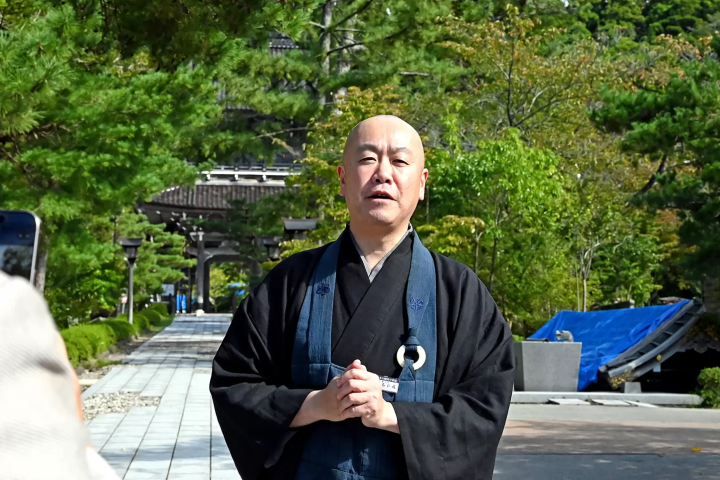
A guided tour of the temple is available by reservation for 3,000 yen. For a more in-depth experience, visitors can book a special guided tour with Kojo Takashima, a senior priest who serves as Fukukanin and Fusu at Sojiji Soin, for 10,000 yen.
Through his tour, visitors can gain a deeper understanding of the temple’s efforts to recover and rebuild after two major earthquakes, as well as the thoughts and hopes of those working to carry Sojiji Soin into the future.
Daihonzan Sojiji Soin
[Location] 1-18-A Monzen, Monzen-machi, Wajima City Ishikawa Prefecture 0768-42-0005 [Visiting Hours] 9:00-16:00 (Currently shortened hours / Normally 8:00-17:00) [Closed] None [Admission Fee] Adults 500 yen, Junior and Senior High School Students 400 yen, Elementary School Students 200 yen Options: Guided tour 3,000 yen, Zen meditation experience 1,000 yen https://noto-soin.jp *Reception for Goshuin (temple stamps) and amulets is the same as visiting hours *Normal visiting hours have resumed (only limited areas are open for viewing)
8. Stay Overnight and Continue Your Journey Along Noto’s West Coast
The journey along Noto’s west coast introduced in this article can be enjoyed as a day trip by car from Kanazawa, but if time allows, staying overnight is highly recommended.
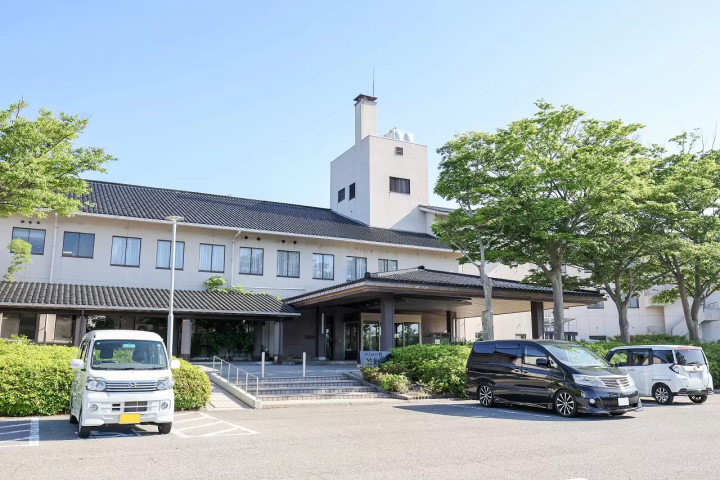
Located roughly halfway along the route, Shika Town makes a convenient base for an overnight stay. Accommodation options range from hot-spring hotels and pensions to traditional inns, guesthouses, and cottages, making it easy to choose a place that suits your travel style and plan the rest of your journey from there.
Ikoi no Mura Noto Hanto is located in the heart of Shika no Sato Onsen, a spacious resort area surrounded by green hills and the blue sea. Set on expansive grounds of approximately 60,000 tsubo (about 20 hectares), the hotel is around a 10-minute drive from Nishiyama Interchange on the Noto Satoyama Kaido. It offers a relaxing place to rest and recharge before continuing your journey along Noto’s west coast.
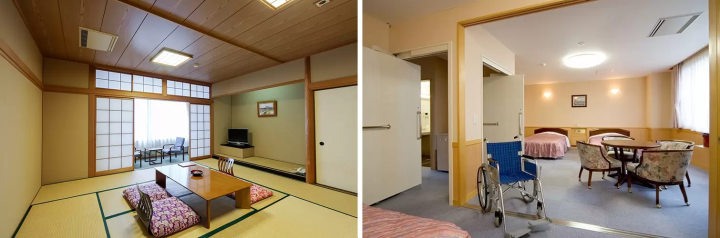
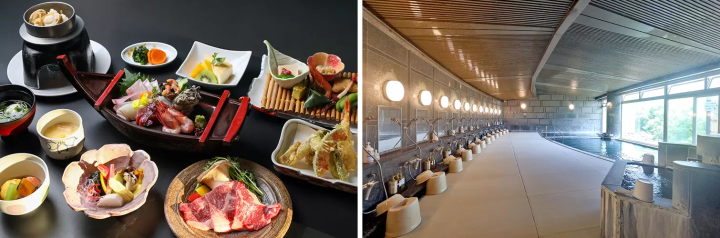
Dinner features dishes prepared with seasonal ingredients from Noto, while breakfast is served buffet-style with a selection of both Japanese and Western dishes.
The large public bath, fed by a natural hot spring, also features an open-air bath and sauna. After a full day of driving along Noto’s west coast, you can unwind in the hot spring and relax before the next day’s journey.
Guests can choose between Japanese-style rooms with tatami flooring and Western-style rooms with beds.
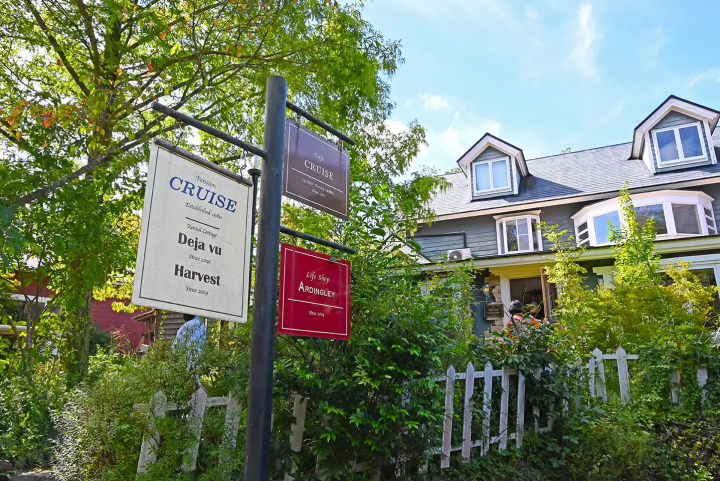
The Shika no Sato Onsen area also has a number of smaller accommodations, including Pension & Cafe Cruise. These are a good option for travelers who prefer a more intimate, relaxed, and welcoming place to stay.
In the Togi area of Shika Town, close to Masuhogaura, there are also a variety of places to stay, including traditional inns, hotels, and cottages. Among them are Kogetsukan, a traditional Japanese inn that reopened at a new location after the earthquake, and TOGISO, a newly opened accommodation in a renovated traditional house.
After the 2024 earthquake, some accommodations in the area provided lodging for people involved in recovery and reconstruction work. Today, however, a growing number are once again welcoming leisure travelers, making it easier to include an overnight stay in your journey along Noto’s west coast.
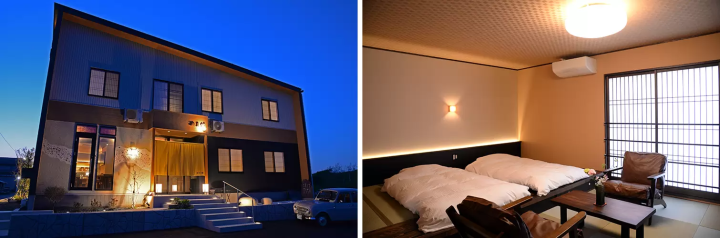
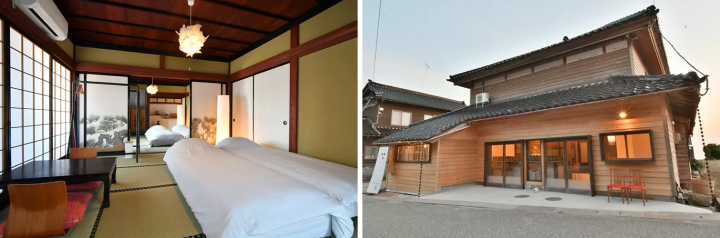
Accommodation facilities in Shika Town(Shika Town Tourism Association)
[Address] 3-1 Aigami I, Shika-machi , Hakui Shika Town , Ishikawa Prefecture Prefecture TEL 0767-42-0355 https://shika-guide.jp/category/stay
How you plan your journey is entirely up to you. You can take two days and one night to travel at a relaxed pace from Chirihama to Monzen. Or spend your first day exploring the west coast, stay overnight in Shika Town, and continue farther north the next day to Oku-Noto destinations such as Wajima and Suzu.
Staying overnight in Noto allows you to experience more than simply passing through the coastline. You can take time to enjoy the changing scenery at sunset and again in the early morning—one of the pleasures of slowing down and spending the night here.
As you drive north along the west coast of the Noto Peninsula, take time to look beyond the beautiful scenery and discover the ways of life that have developed alongside it. Let your journey along Noto’s west coast be an opportunity to experience both the landscape and the life of Noto.





![[Tokyo, Shinjuku] Buy Matcha Here! 2 Long-established Japanese Tea Shops Where You Can Get the Authentic Taste!](https://resources.matcha-jp.com/resize/720x2000/2025/09/24-245090.webp)