
![[Tokushima/ Naruto] How to Start the Shikoku Pilgrimage | A Beginner's Guide Starting from Ryozenji Temple](https://resources.matcha-jp.com/resize/720x2000/2024/12/11-214611.webp)
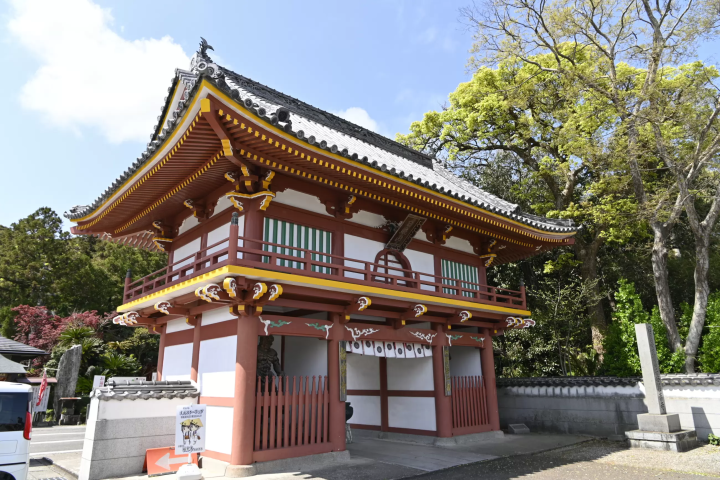
Why not start your Shikoku Pilgrimage, visiting The Shikoku 88 Temple, from Naruto City, Tokushima Prefecture ? Starting from Naruto , home to the first temple, Ryozenji Temple , and the second temple, Gokurakuji, we'll introduce the basics of the pilgrimage, how to complete it, preparations, and points to note in an easy-to-understand way for beginners.

Written by
This is the official tourism site for Naruto City, Tokushima Prefecture. We provide information to help you enjoy Naruto, from popular tourist spots to more niche information! 🌊This is what Naruto City is like🍠 The eastern gateway to Shikoku. It is connected to the Kansai region🚙 by the Onaruto Bridge and the Akashi Kaikyo Bridge. Enjoy nature with the sea🌊 and mountains🏔! There are plenty of tourist spots, including the Naruto whirlpools, one of the world's three largest tidal currents, the Awa Odori dance, and the pilgrimage route!
-
Table of Contents
- What is the Shikoku Pilgrimage? A Japanese pilgrimage culture that involves visiting 88 temples.
- The origin of the pilgrimage
- Various pilgrimage methods
- Things you should know before starting your pilgrimage
- The appeal of the Shikoku Pilgrimage in Naruto City
- Let's start our pilgrimage from Naruto City.
What is the Shikoku Pilgrimage? A Japanese pilgrimage culture that involves visiting 88 temples.

Have you heard of the journey called "Ohenro" that is traditionally practiced in the Shikoku region?
The pilgrimage is a journey of the heart where you face yourself by visiting 88 sacred places such as shrines and temples scattered throughout Shikoku. As there are 88 sacred places in Shikoku, the pilgrimage is also known as the "88 Shikoku Sacred Places."
The warm hospitality of the people you meet along the way, Japan's original landscapes, the harsh yet beautiful nature, and the sacred sites have fascinated many people since ancient times, and are firmly rooted as a traditional culture that is unique in the world.
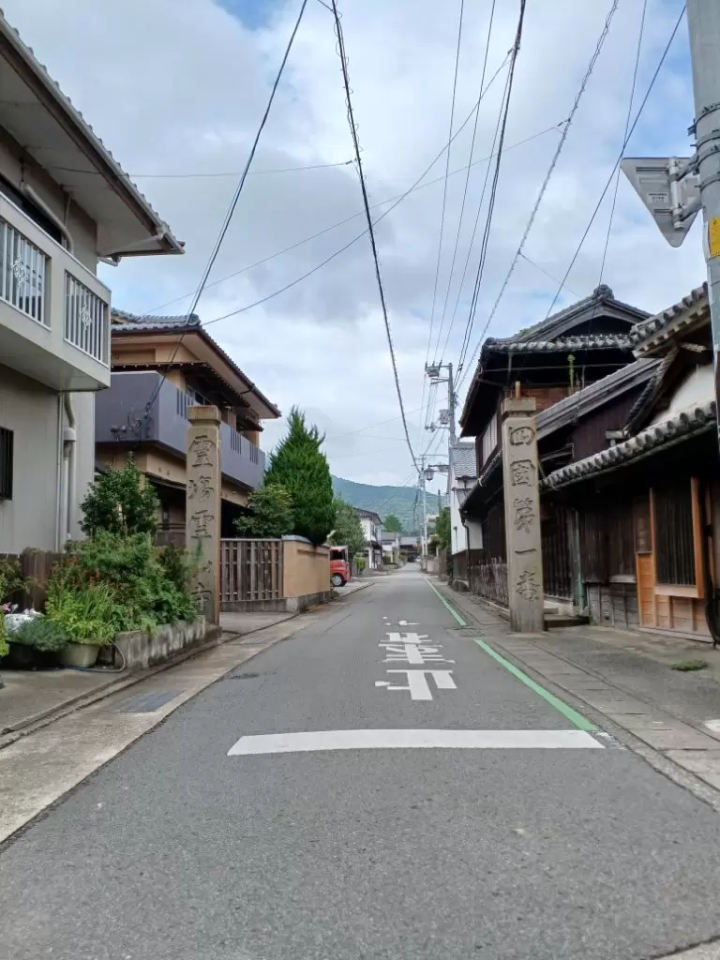
Tokushima Prefecture, where Naruto City is located, is also known as the "Dojo of Awakening" because it is home to the first temple of the pilgrimage, Reisanji, and the second temple, Gokurakuji. In addition, there are vast lotus root fields, old-fashioned streets, and shrines and temples around Reisanji and Gokurakuji, so you can enjoy strolling around them when you are on the pilgrimage.
The origin of the pilgrimage

Kobo Daishi Kukai, the founder of Shingon Buddhism (a sect of Buddhism) born in Kagawa Prefecture during the Heian period, traveled around Shikoku as part of his training when he was young. During that time, he opened up the sacred sites throughout Shikoku, known as the 88 Shikoku Pilgrimage Sites.
Later, pilgrimages by ascetic monks to the places that Kobo Daishi had visited spread to the general public. In the past, pilgrims would nail wooden talismans to the pillars of the main hall of a sacred site when visiting it. Today, each sacred site is called a "Fudasho" (temple).
Various pilgrimage methods
The act of visiting the temples is called "uchi", and there are various ways to make the pilgrimage. Starting from the first temple, Reisan-ji, going clockwise is called "jun-uchi", going in the opposite direction is called "gyaku-uchi", visiting all the temples in one pilgrimage is called "tsuoshi-uchi", and visiting them in several parts is called "kai-uchi".

Things you should know before starting your pilgrimage
The entire Shikoku Pilgrimage is said to be 1,200 to 1,500 km long, and would take about one to two months on foot, but you can do it in about two weeks by car or bus.
Here are three important things to keep in mind to make your pilgrimage a wonderful memory.
1. Enjoy the pilgrimage at your own pace
It is also important to keep track of your physical condition and take rest days.
2. It doesn't matter which temple you start at or where you stop!
The first temple of the 88 Sacred Temples of Shikoku, Ryozenji Te... Gokurakuji Temple, the second temple of the 88 Sacred Places of S...

3. Don't forget to book your accommodation!
There are lodging facilities such as private lodgings and hotels around each temple, but we recommend making reservations in advance as meals and baths need to be prepared. Please note that lodging facilities may be fully booked.
In addition, each sacred place has a "shuin" (red seal) that is stamped as proof of visit, and a notebook called a "nokyocho" (a booklet for collecting these). Your very own nokyocho (a booklet for stamps) will surely become a fond memory of your pilgrimage. The nokyocho (booklet for stamps) and other items necessary for the pilgrimage can be purchased at each sacred place or at nearby stores.
Monzen Ichibangai
The appeal of the Shikoku Pilgrimage in Naruto City

The Shikoku Pilgrimage, which visits the temples associated with Kobo Daishi, is a grand circular pilgrimage that covers a total distance of 1,400 km around Shikoku. It has been passed down for over 1,200 years and is still carried out by people today.
Shikoku's rugged mountain paths, long stone staircases, tranquil traditional Japanese countryside, calm seaside beaches and cliff-top headlands with "ohenro-san" (pilgrims) passing by are characteristic of the region.
If you visit Japan, be sure to try out the Shikoku Pilgrimage.



![[ Naruto City , Tokushima Prefecture ] From Naruto, the Road of Prayer - The Heart and Landscape Connected by the Shikoku Pilgrimage -](https://resources.matcha-jp.com/resize/200x2000/2025/11/12-249573.webp)
Let's start our pilgrimage from Naruto City.
In addition to the pilgrimage, Naruto City has many other attractive tourist attractions, such as the Naruto Whirlpools , one of the three largest whirlpools in the world, the Otsuka Museum of Art, where you can see famous Western paintings on full-size ceramic panels, and fresh seafood.
![[Lunch & Dinner Separately] 9 Must-Try Delicious Restaurants in Naruto City , Tokushima Prefecture ! Souvenirs Included](https://resources.matcha-jp.com/resize/200x2000/2025/03/13-227998.webp)
Please check this website for tourist information about Naruto City, including transportation access and accommodation information.







![[Tokyo, Shinjuku] Buy Matcha Here! 2 Long-established Japanese Tea Shops Where You Can Get the Authentic Taste!](https://resources.matcha-jp.com/resize/720x2000/2025/09/24-245090.webp)




![[Kyoto Prefecture ] Let's go see Fukuchiyama Castle, the symbol of Fukuchiyama City | Highlights and seasonal events](https://resources.matcha-jp.com/resize/720x2000/2026/02/12-258435.webp)
![[Gozaisho Ropeway] Gourmet Guide](https://resources.matcha-jp.com/resize/720x2000/2025/12/03-251960.webp)