
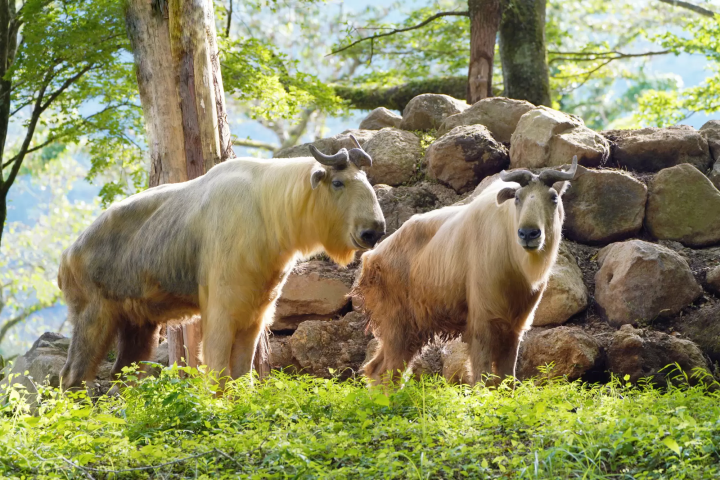
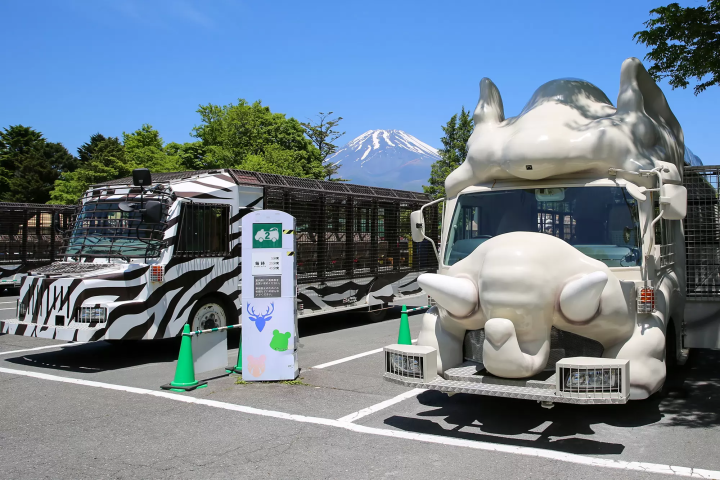
When visiting the "Safari Zone" at Fuji Safari Park, where animals roam freely, the sightseeing bus is recommended over driving your own car! The animal-shaped "Jungle Bus" is popular, but if you want an even more thrilling experience, try the "Super Jungle Bus," which has wire mesh covering the entire roof!

Written by
Located at an altitude of 850m, this is one of the largest safari parks in Japan. In the vast natural surroundings at the foot of Mt. Fuji, about 800 animals from 60 species, including lions, Amur tigers, and giraffes, live freely. The park is divided into a "Safari Zone" and a "Placement Zone," where you can take your time to observe the animals and enjoy interacting with them in a natural environment.
-
Table of Contents
- What kind of facility is Fuji Safari Park?
- A golden takin has joined our family!
- What kind of animal is a golden takin?
- Where can I see the golden takin in the park?
- Characteristics and ecology of the Golden Takin
- How to enter Fuji Safari Park
![[Updated for 2026] Fuji Safari Park Complete Guide! Prices, Access, and How to Enjoy](https://resources.matcha-jp.com/resize/200x2000/2024/12/10-214444.webp)
What kind of facility is Fuji Safari Park?
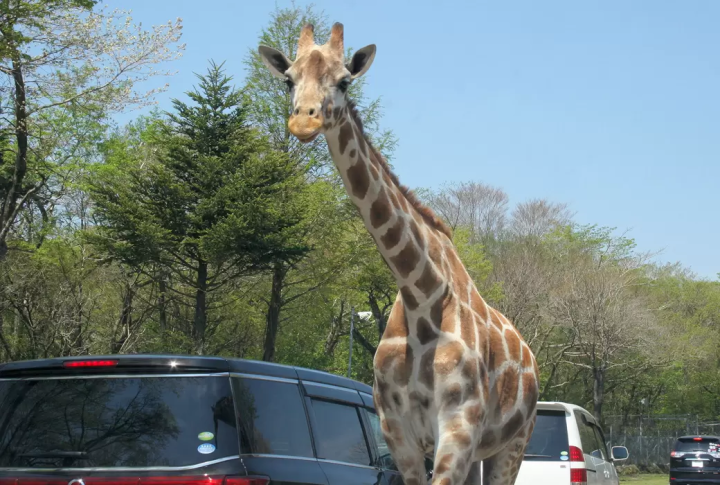
Nestled in the vast natural landscape at the foot of Mount Fuji, this is one of Japan's largest safari parks, home to approximately 800 animals of about 60 different species, including lions, giraffes, and elephants. The park is divided into two areas: the "Safari Zone" and the "Interaction Zone." Visitors can explore the Safari Zone by car or on a tour bus, while exploring the Interaction Zone on foot. Another popular option is the "Walking Safari," where visitors can observe animals while walking along a forest trail that runs around the perimeter of the Safari Zone!
A golden takin has joined our family!
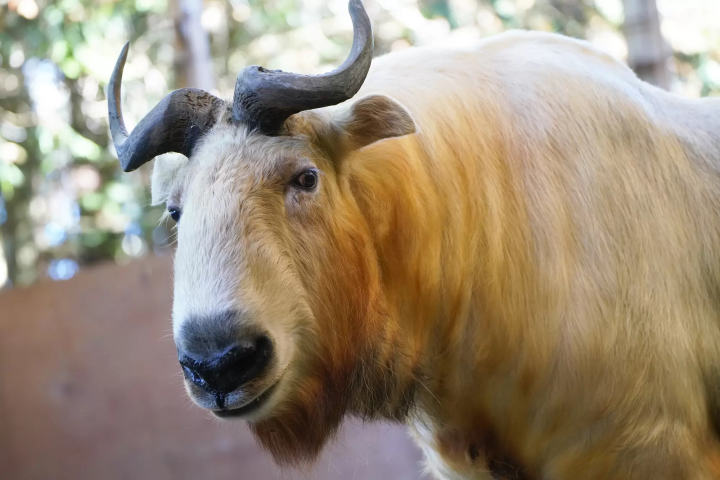
What kind of animal is a golden takin?
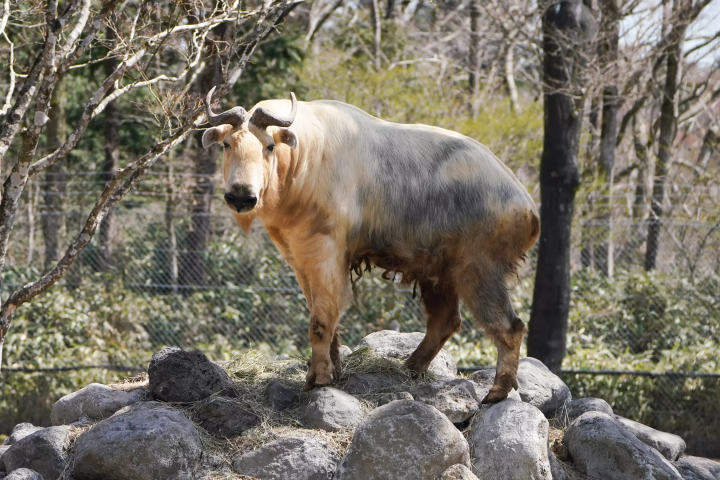
A new animal has joined the Fuji Safari Park family! It's the Golden Takin, a bovine animal native to China. This spring, it's now on display in the general herbivore zone within the safari zone, which is accessible by car!
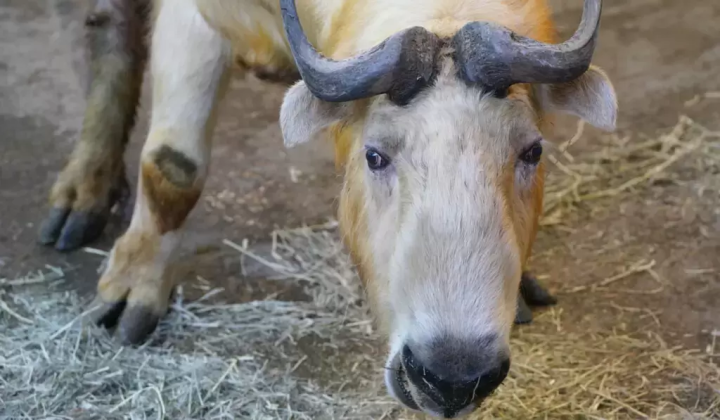
1. A bovine animal characterized by its nearly golden coat and curved horns. 2. Inhabits the mountainous regions of the Qinling Mountains in China, at altitudes of 2,000 to 3,000 meters. 3. Adapted to cold, with large, well-developed sinuses in its nose. 4. Has sturdy hooves for moving across rocky mountains.
5. One of China's three rarest animals, alongside the giant panda and the golden snub-nosed monkey. 6. A rare species listed in Appendix II of the Washington Convention. 7. Only four locations in Japan keep them: Tama Zoological Park, Zoorasia, Adventure World, and Fuji Safari Park.
Where can I see the golden takin in the park?
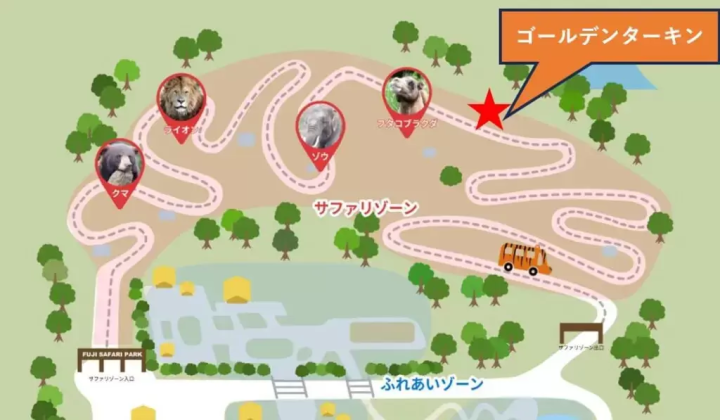
The exhibit is located within the "Safari Zone," which is toured by car or park bus, in an area designed to resemble their natural habitat, just before entering the mountain herbivore zone (on the left).
Why are golden takins being kept at Fuji Safari Park?
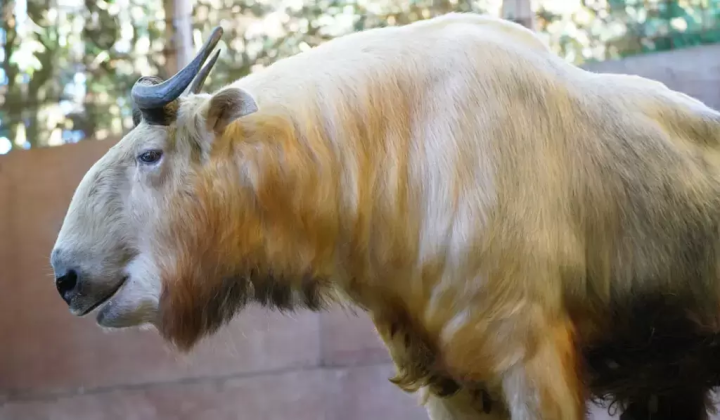
The golden takin population in its natural habitat is approximately 5,000 individuals, and there are concerns that it may become extinct in the future if nothing is done. Until now, three zoos in Japan have been working on conservation and breeding efforts, but Fuji Safari Park is also joining in on the "ex-situ conservation" of the rare golden takin, aiming to fulfill one of the zoo's roles: "species conservation."
*Ex-situ conservation: This refers to efforts to breed and protect endangered wild animals and plants by raising and cultivating them in facilities other than their natural habitats, such as zoos, aquariums, and botanical gardens.
Currently, Fuji Safari Park keeps two of these animals, both of which were bred and born at Tama Zoological Park in Tokyo.
Where did the golden takin come from?
Currently, Fuji Safari Park keeps two of these animals, both of which were bred and born at Tama Zoological Park in Tokyo.
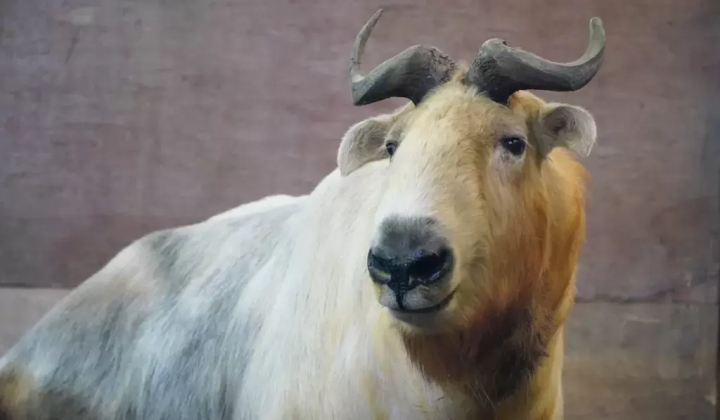
Individual name: Mutsu Sex: Male Date of birth: January 12, 2017
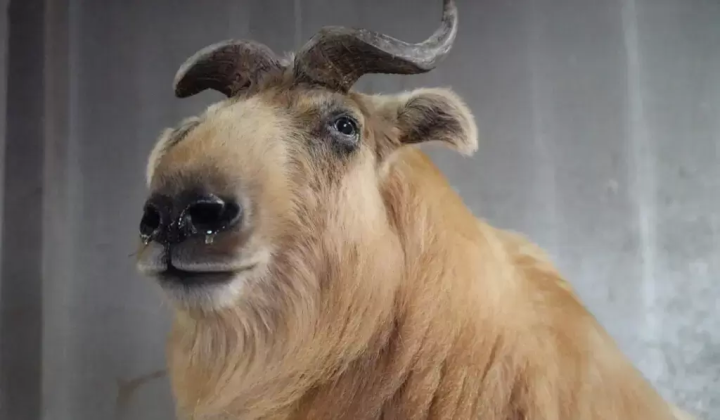
Individual name: Fuku Sex: Female Date of birth: February 3, 2017
There are approximately 20 golden takins being kept in captivity in Japan, and various facilities are working together to conserve the species.
Tama Zoological Park: 5 animals (3 males, 2 females)
・Zoorasia: 5 animals (3 males, 2 females)
Adventure World: 9 animals (4 males, 5 females)
- Fuji Safari Park: 2 animals (1 male, 1 female)
*Domestic captive population: 21 animals (11 males, 10 females) as of March 7, 2026 (according to Fuji Safari Park)
Characteristics and ecology of the Golden Takin
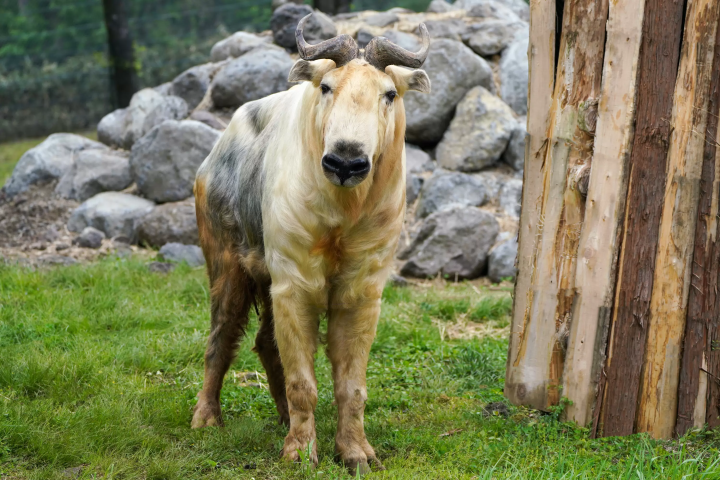
English name: Golden Takin
・Scientific name: Budorcas taxicolor bedfordi
Habitat: Qinling Mountains, China; mountainous regions at altitudes of 2,000-3,000m; Body length: 1.7m-2.2m
Weight: 300-350 kg (males), 240-280 kg (females)
·Features:
The name "golden" comes from the fact that mature males have a bright, golden coat. Their sturdy build and long, dense fur make them well-suited to living in harsh cold and on steep slopes. In particular, their nasal sinuses are well-developed, which heat the inhaled air to prevent heat loss during respiration.
·life:
A single male leads a group of several females, and they live a nomadic lifestyle. They are usually gentle, but when they encounter natural enemies such as bears, wolves, or leopards, or when they sense danger, they will jump from rock to rock to escape or cough to warn others.
·remarks:
It is listed in Appendix II of the Washington Convention. Its wild population is estimated at around 5,000 individuals, and it is said that it is at risk of extinction if nothing is done. *Washington Convention (CITES): Convention on International Trade in Endangered Wild Fauna and Flora
How to enter Fuji Safari Park

Upon arriving at Fuji Safari Park, the first thing you'll do is register at the entrance toll booth. The entrance fee is required per person and can be paid by credit card or cash. Since registration is done from your car, it's recommended to have it ready before arriving at the toll booth!
◆Adults (high school students and older): 3,200 yen ◆Children (ages 4 to junior high school): 2,000 yen ◆Seniors (ages 65 and over): 2,500 yen

You can save on admission fees by purchasing e-tickets in advance.
You can enjoy discounts by pre-registering for Fuji Safari Park's ticket service "MySAFARI" and purchasing electronic tickets.
Electronic admission tickets are valid for one use within 90 days of purchase, but please note that the number of people cannot be changed or refunds cannot be issued after purchase. We recommend purchasing tickets on the day of your visit.
◆Adults (high school students and older): ¥3,200 ⇒ ¥2,700 ◆Children (ages 4 to junior high school): ¥2,000 ⇒ ¥1,700
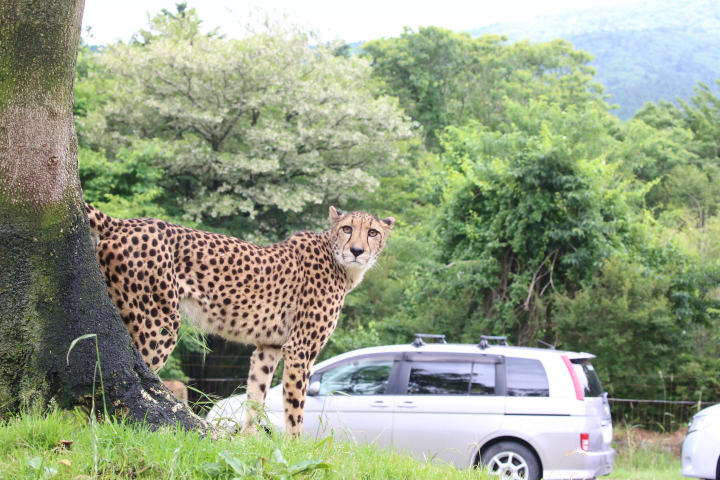
You can hear detailed and entertaining animal commentary from the driver!









![[Tokyo, Shinjuku] Buy Matcha Here! 2 Long-established Japanese Tea Shops Where You Can Get the Authentic Taste!](https://resources.matcha-jp.com/resize/720x2000/2025/09/24-245090.webp)



![[Kyoto Prefecture ] Let's go see Fukuchiyama Castle, the symbol of Fukuchiyama City | Highlights and seasonal events](https://resources.matcha-jp.com/resize/720x2000/2026/02/12-258435.webp)
![[Gozaisho Ropeway] Gourmet Guide](https://resources.matcha-jp.com/resize/720x2000/2025/12/03-251960.webp)
![[October/November 2026, near Tokyo Station] An event where you can buy popular souvenirs from all over Japan!](https://resources.matcha-jp.com/resize/720x2000/2026/10/14-272472.webp)