
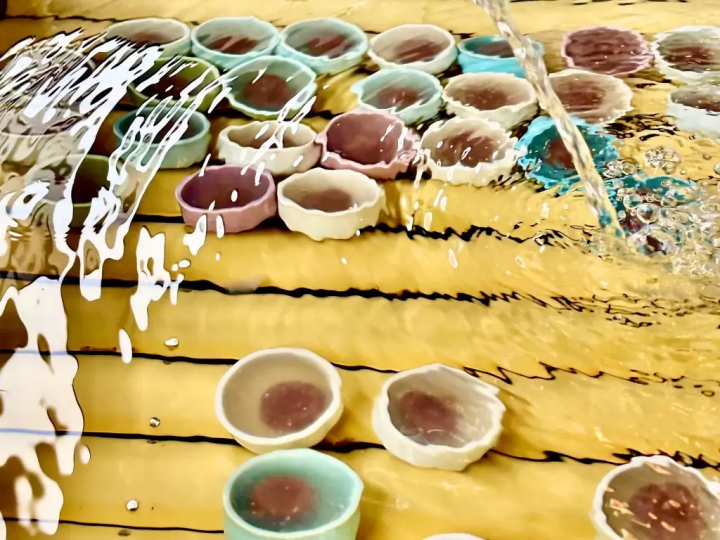
Discover the secrets of Ogaki’s famous summer sweet, Mizu Manju, and explore the city’s confectionery culture, history, and craftsmanship shaped by its abundant groundwater.

Written by
Located in the center of Nishi Mino in the western part of Gifu Prefecture, Ogaki is blessed with an abundance of groundwater, so much so that it has long been known as the "City of Water." Known as the birthplace of haiku poet Matsuo Basho's travelogue "The Narrow Road to the Deep North," the town is also home to Ogaki Castle, which served as the base of Ishida Mitsunari's Western Army during the Battle of Sekigahara, and Sunomata Ichiya Castle, said to have been built in one night by Toyotomi Hideyoshi. From late March to May, the town is home to boat rides, tub boats, and the Ogaki Festival, which was registered as a UNESCO Intangible Cultural Heritage site in 2016.
-
Table of Contents
- Ogaki: A City Blessed with Abundant Groundwater
- Mizu Manju: More Than a Snack, a Part of Ogaki’s Food Culture
- Inside KINCHOEN SOHONKE: How Mizu Manju Are Made
- Mizu Manju Meets Shaved Ice: MOCHISO’s Signature Menu
- Ogaki’s Specialty: The Traditional Wooden Masu Cup
- Enjoy Ogaki’s Traditional Sweets in Summer
Ogaki: A City Blessed with Abundant Groundwater
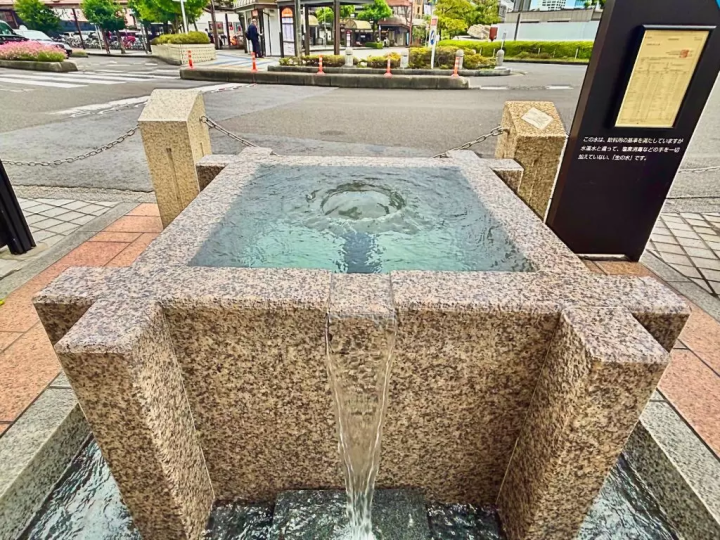
Ogaki City is located on the western side of the Kiso Mikawa(Kiso River, Nagara River, and Ibigawa), and is known as the Seino region within Gifu Prefecture.
The abundant water from the Kiso Mikawa slowly seeps into the ground over time (recharges), and is stored deep underground as groundwater in the Seino region.
Among them, Ogaki City is known as the "City of Water," and if you dig a well to a depth of about 100 meters, this groundwater will naturally spring forth (artesian well). The digging of artesian wells became widespread from the late Edo period onward. The people of Ogaki City have lived in harmony with the abundant water using these artesian wells.
MIZU MANJU , a specialty of Ogaki City , was created during the Meiji period and is a perfect treat for enjoying the coolness of summer, born from a lifestyle blessed with abundant water. This time, we will take a closer look at MIZU MANJU .
Mizu Manju: More Than a Snack, a Part of Ogaki’s Food Culture
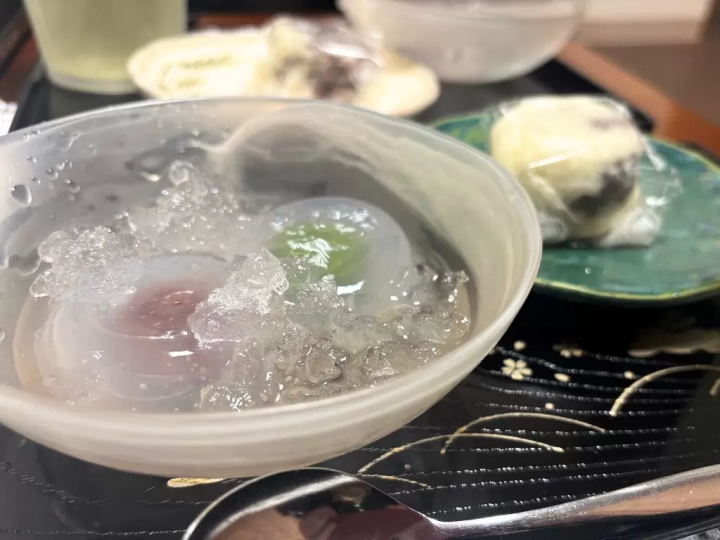
Ogaki's MIZU MANJU have a deep connection to the abundant artesian wells that gush forth. With modernization, wells were dug all over Ogaki City, and the water temperature remains at around 14-15°C throughout the year. In the summer, watermelons and vegetables have been cooled in these wells to escape the heat.
MIZU MANJU are also made using the abundant spring water from these wells. Mizu Manju are characterized by their filling, which is cooked with the abundant MIZU MANJU of Ogaki , wrapped in a soft dough made from kudzu starch and bracken starch, steamed, and then chilled in cold groundwater before being eaten.
MIZU MANJU dumpling that strongly reflects the local character of Ogaki, is not merely a summer snack, but can be said to be an integral part of Ogaki's culture. In order to preserve this Ogaki culture, there are activities such as making MIZU MANJU at schools and in homes.
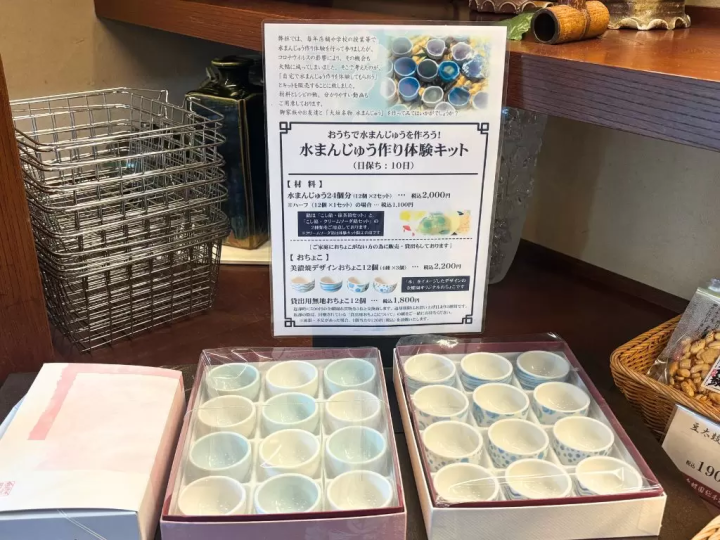
Traditional Japanese confectionery shops that cherish local culture and the changing seasons sell MIZU MANJU from around spring until the end of summer. While reflecting on the history and background of mizumanju, which have been eaten to cool off since before the age of refrigerators and freezers, please enjoy the smooth and elegant texture of MIZU MANJU.
Inside KINCHOEN SOHONKE: How Mizu Manju Are Made
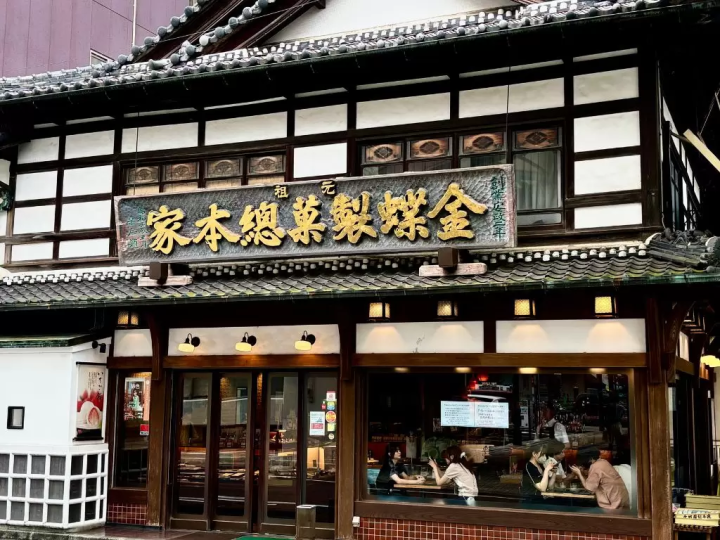
At Kinchoen Sohonten, located just a short walk from Ogaki Station, you can watch a demonstration of how they chill their MIZU MANJU right in front of the shop. Not only can you feel refreshed by the sight and the sound of flowing water, but you can also enjoy the chilled MIZU MANJU immediately inside the shop.
Freshness and temperature are crucial for MIZU MANJU. If too much time passes after they are made, or if they are chilled in the refrigerator, you won't be able to enjoy their original, elegant texture. The secret to enjoying this famous confection at its best is to quickly cool the steamed MIZU MANJU in well water and eat them immediately.
At KINCHOEN SOHONKE's factory, two people usually work together to continuously produce MIZU MANJU. To ensure that customers enjoy the MIZU MANJU in its most delicious state, they continuously place them on the shelves while monitoring the day's sales.
KINCHOEN SOHONKE Ogaki Station Main Store
Making the Dough Using a Unique Blend of Kudzu and Bracken Starches
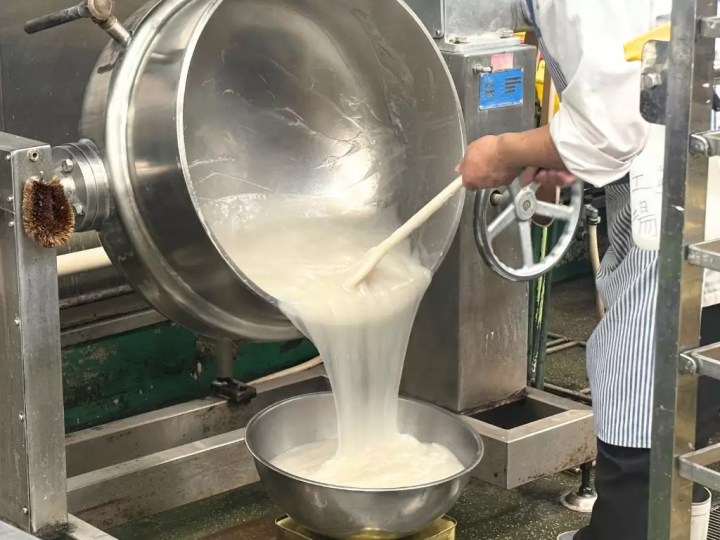
Inside the factory that makes MIZU MANJU, a popular summer confection, there are large kettles and steamers, and the work is carried out in temperatures even higher than outside.
The dough for MIZU MANJU is made with the intention of being eaten floating in water, so it contains not only kudzu starch but also bracken starch. By adding bracken starch to the kudzu starch, which has a translucent and elegant melt-in-your-mouth texture, the dough does not become soggy when cooled in water.
Pouring the Dough into Colorful Cups and Filling Them with Sweet Bean Paste
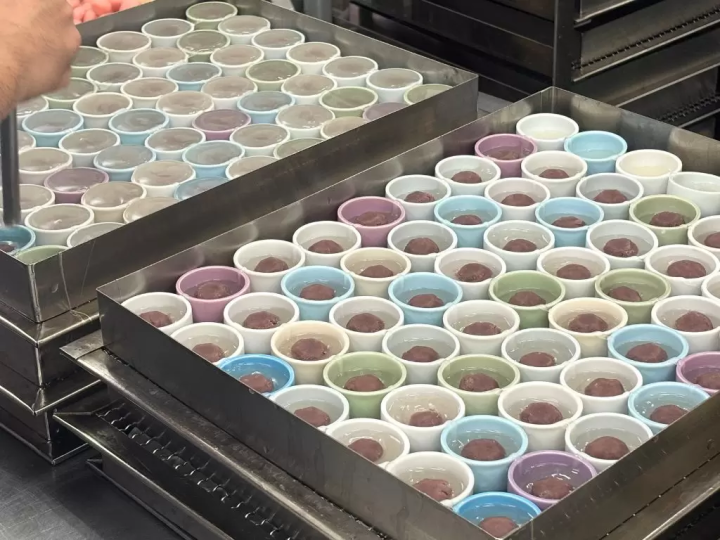
The dough, cooked in a pot, is placed into small cups, and then filled with sweet bean paste. The bean paste is a special product cooked to a firm consistency specifically for MIZU MANJU, and is carefully crafted to harmonize perfectly with the moist dough made from kudzu starch and bracken starch, resulting in just the right flavor.
When cooking the bean paste, rock sugar is used to achieve a refined sweetness. At KINCHOEN SOHONKE, they use bean paste made through a meticulous process to produce not only MIZU MANJU but also their classic Kinchoen manju.
Steaming the Cups, Cooling the Mizu Manju, and Serving Them to Customers
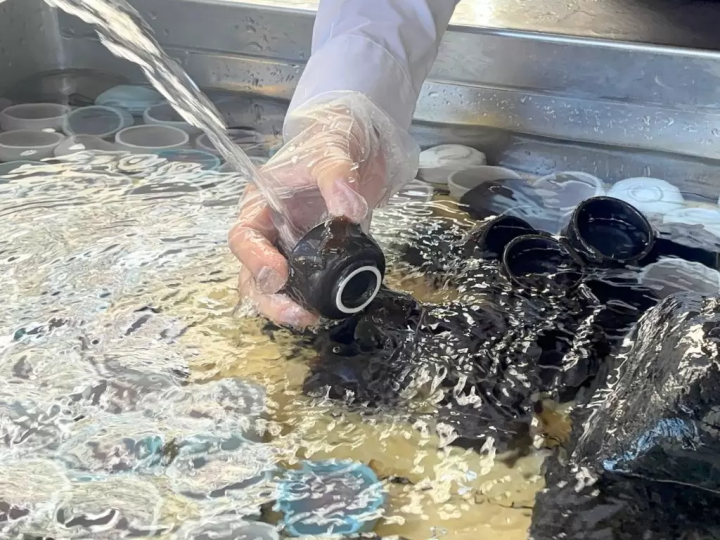
The dough and filling, placed in small sake cups, are steamed and then, after being cooled slightly, are carried one after another to the shop. The MIZU MANJU, chilled to perfection in the shop's groundwater, are then smoothly removed from their cups by the water current and delivered to the customers waiting inside the shop.
KINCHOEN SOHONKE MIZU MANJU, but also a variety of other flavors, including matcha and seasonal limited-edition fillings. This is a testament to the sixth-generation owner's dedication, not only to preserving the MIZU MANJU culture of Ogaki, but also to promoting it further. In fact, MIZU MANJU has been featured numerous times on television and social media, and its reputation as a part of Ogaki's culture is spreading nationwide.
Mizu Manju Meets Shaved Ice: MOCHISO’s Signature Menu
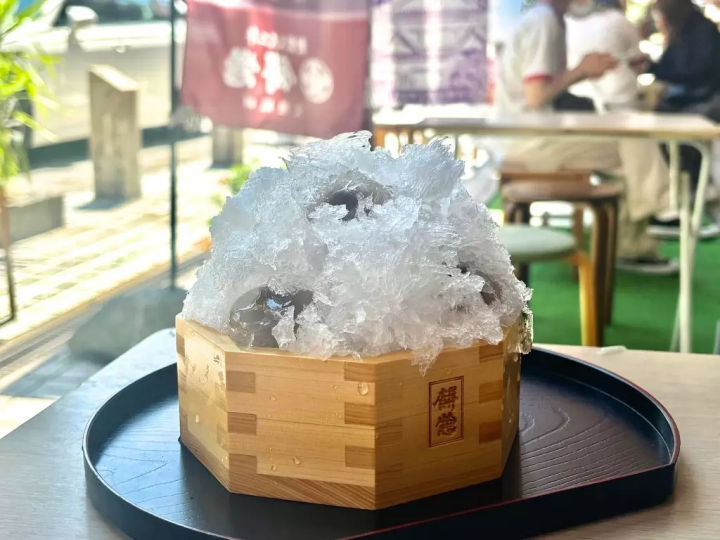
Among the Japanese confectionery shops in Ogaki City that sell MIZU MANJU, one of the most distinctive products is "Mizuman Kori" from "Mochihore".
Mizumangori is an unusual shaved ice dessert with a MIZU MANJU inside. It all started when the current owner's father began putting MIZU MANJU in cold shaved ice for local customers to eat as soon as they got home.
Thus, Mizuman Ice was developed not out of a desire to be visually appealing on social media, but out of kindness to the customer. Currently, the shaved ice is topped with white syrup, considering its compatibility with the flavor of MIZU MANJU.
Digging into the octagonal box filled with shaved ice reveals bite-sized MIZU MANJU. Since the size and preparation of MIZU MANJU MIZU MANJU vary from shop to shop, it's recommended to try different kinds to find your favorite.
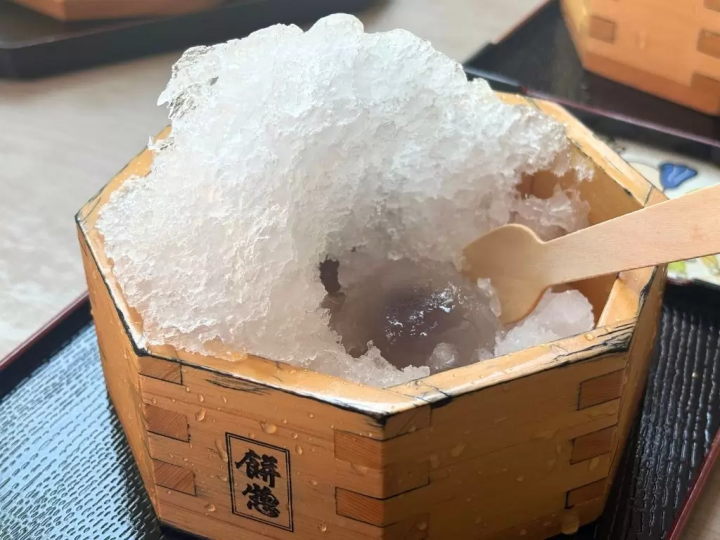
Incidentally, this octagonal masu (wooden measuring cup) is a custom-made item. Apparently, a square masu would make it difficult to eat the ice in the corners, so they asked a local masu maker for cooperation and had an octagonal one made. The Mizu Manju shaved ice, served in this custom-made masu that reflects the kindness of the Mochihore shop owner, has a gentle flavor and is a treat you'll want to enjoy when you take a break on a hot day.
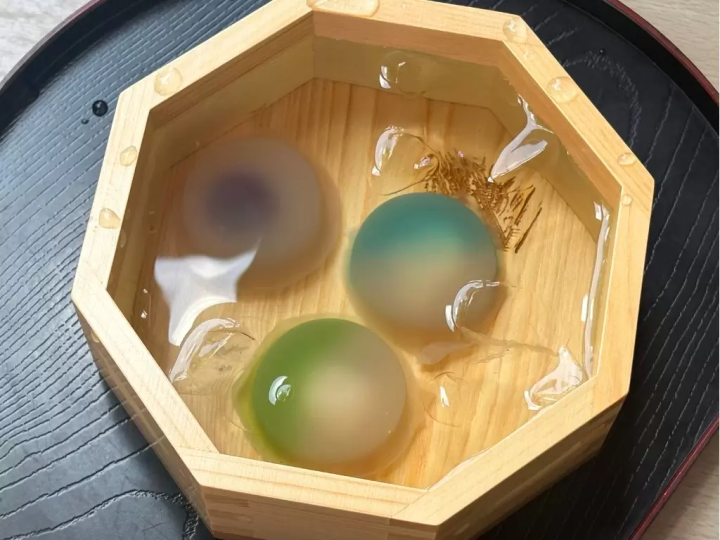
Mochihore also sells unique types of MIZU MANJU inspired by Tomoyo Harada, whom the current owner is a fan of, and the Gifu -related morning drama "Hanbun, Aoi."
MOCHISO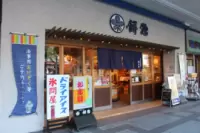
Ogaki’s Specialty: The Traditional Wooden Masu Cup
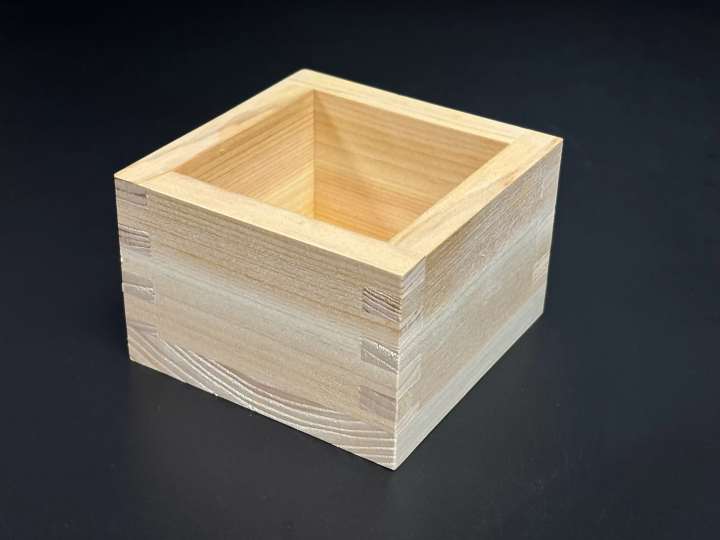
The masu (wooden measuring cups) used at Mochihore are a specialty product of Ogaki. Eighty percent of the masu produced in Japan are made in Ogaki, and Ogaki City is currently running a campaign called "Plat Mino Pass" that uses the masu.
If you take a cypress-scented masu (wooden measuring cup) with you while strolling around town, you can receive services such as free entry to tourist spots in Ogaki City.
I highly recommend taking a masu (wooden measuring cup) with you as you stroll Ogaki City, and enjoying MIZU MANJU) as a break during your trip.
![[30 minutes from Nagoya] Enjoy the castle town of Ogaki at a great price! A day trip guide using a travel pass.](https://resources.matcha-jp.com/resize/200x2000/2026/08/12-268813.webp)
Enjoy Ogaki’s Traditional Sweets in Summer
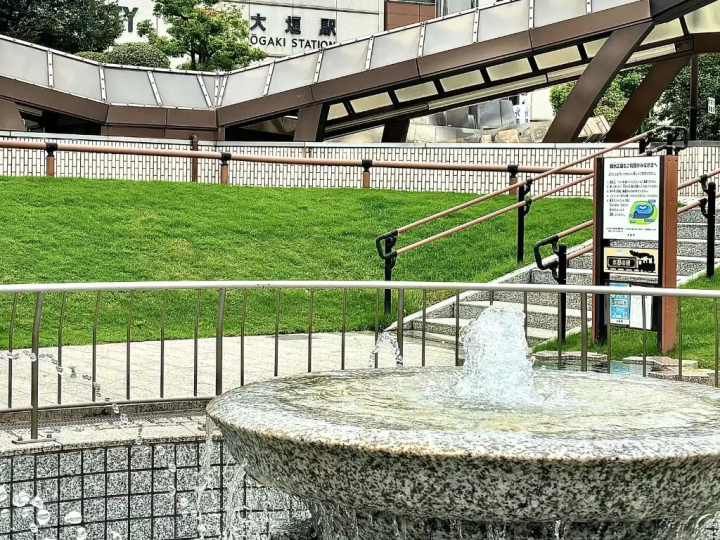
In Ogaki City , located in the heart of Gifu Prefecture , known for its intense heat, a culture of finding ways to cool off has developed. MIZU MANJU are a cherished part of Ogaki's food culture, valued by traditional Japanese confectioners and long loved by its residents.
MIZU MANJU, sold from spring to the end of summer, is a special delicacy that can only be enjoyed locally.
Ogaki is easily accessible, just about 30 minutes by train from Nagoya, making it a great day trip destination if you're sightseeing in the Tokai region. Come to Ogaki and try their seasonal MIZU MANJU , which will make even the hot summer days enjoyable.








![[Tokyo, Shinjuku] Buy Matcha Here! 2 Long-established Japanese Tea Shops Where You Can Get the Authentic Taste!](https://resources.matcha-jp.com/resize/720x2000/2025/09/24-245090.webp)

![[Obama City] The first Obama Hojo Festival](https://resources.matcha-jp.com/resize/720x2000/2026/10/09-272230.webp)
![[September-October 2026] Gero Onsen Masu-zake Walk | Introducing 11 shops and local Hida sake](https://resources.matcha-jp.com/resize/720x2000/2026/09/12-270742.webp)
![[ Naruto City , Tokushima Prefecture ] Enjoy the autumn nature!](https://resources.matcha-jp.com/resize/720x2000/2026/10/07-272073.webp)