Starting from Kansai International Airport, explore Matsusaka City in Mie Prefecture on this 2-day itinerary. Beyond its famous Matsusaka beef, discover a town rich in merchant and artisan culture, where you can experience the warmth, resilience, and timeless elegance of Matsusaka.

Written by
Matsusaka City, Mie Prefecture is located almost in the center of Japan, where you can enjoy world-class gourmet Matsusaka beef, rich history and culture, and beautiful nature. During the Edo period, Matsusaka was the final post town for pilgrimages to Ise-mairi (a pilgrimage to Japan's highest-ranking shrine). These merchants succeeded in trading Matsusaka cotton in Edo and brought prosperity to Matsusaka.
What Is Matsusaka City Known For? Discover Its Historic Streets and Rich Culture
Matsusaka City in Mie Prefecture has been inhabited since the Jomon period, a prehistoric era that began more than 10,000 years ago, and one of Japan’s largest boat-shaped haniwa (ancient clay figures) has been unearthed here.
Matsusaka experienced significant growth as a town around 1588, when Gamo Ujisato, a samurai and one of the disciples of the renowned tea master Sen no Rikyu, built Matsusaka Castle. The Ise Road, a route used by pilgrims traveling to Ise Jingu Shrine, ran through the center of town, helping Matsusaka develop into a thriving post town.
Despite changes in government, modernization, war, and a major fire known as the Great Matsusaka Fire, Matsusaka has managed to preserve its historic streetscape. Thanks to the efforts of local people who worked to keep their unique culture alive even through difficult times, the city has also retained its distinctive local traditions and culture.
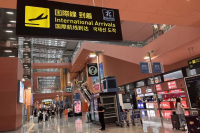
Getting to Matsusaka from Kansai International Airport
Matsusaka Station, located in the city center, is served by both JR and Kintetsu Railway lines. Of the two, Kintetsu is particularly convenient, as limited express trains from both Nagoya and Osaka stop at this station.
In particular, from Osaka, you can easily access Matsusaka Station by taking a limited express train from Kansai International Airport.
To get from Kansai International Airport to Matsusaka Station, first take the Nankai Rapi limited express train to Namba Station. The journey takes approximately 40 minutes.
The Rapi features four seats per row, with two on each side of the aisle. As an all-reserved limited express train, it offers a spacious and comfortable ride to central Osaka.
After exiting the ticket gates on the 3rd floor of Nankai Namba Station, make your way to Kintetsu Osaka-Namba Station on the 2nd basement floor. From there, take a Kintetsu Limited Express train to Matsusaka Station. The journey takes approximately 1 hour and 30 minutes.
Kintetsu Limited Express trains also offer reserved seating, allowing you to travel to Matsusaka comfortably and relax along the way.
To ride the limited express trains operated by Nankai Railway and Kintetsu Railway, you need a limited express ticket in addition to a regular fare ticket. We recommend purchasing your limited express tickets in advance online using your smartphone.
The journey from Kansai International Airport to Matsusaka takes approximately 2.5 hours by train. If you're traveling with large luggage, such as suitcases, we recommend allowing at least 3 hours for a more comfortable journey.
Explore Matsusaka in a Kimono and Experience Its Unique Spirit
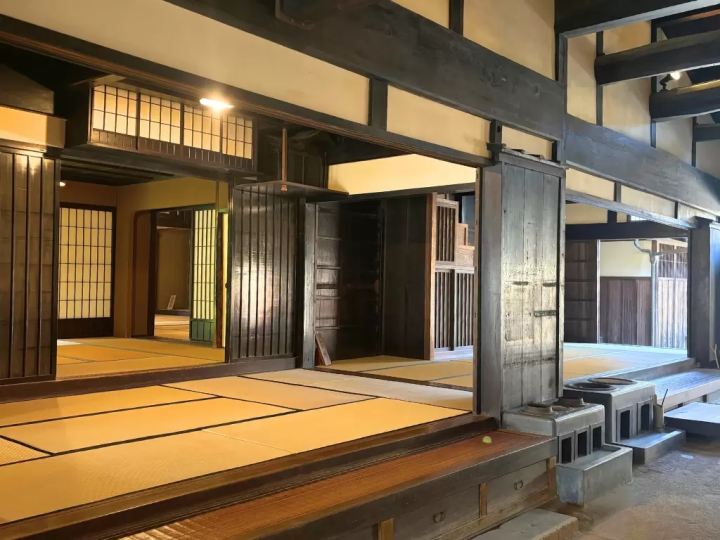
This time, we'll introduce a 2-day, 1-night itinerary for exploring Matsusaka.
On the first day, leave your luggage in a locker at your hotel or the train station, then experience Matsusaka's unique sense of style by wearing a kimono and exploring the town.
13:00 Experience Matsusaka Cotton Kimono at Utsukushiya Higashimura Kimono Store
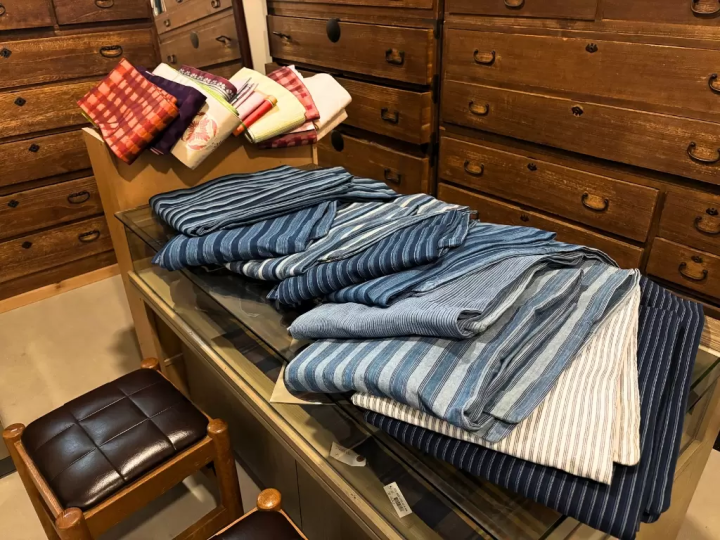
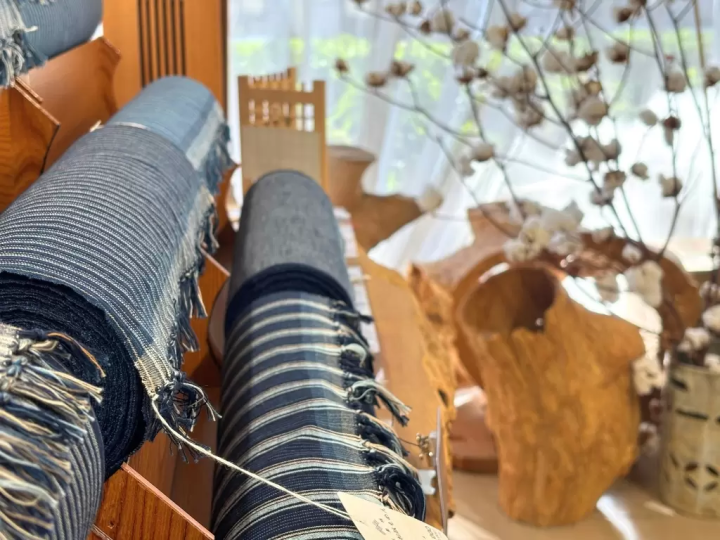
Matsusaka is known for Matsusaka momen, a traditional indigo-dyed cotton fabric. Its patterns create different impressions depending on whether you view them from a distance or up close, giving the fabric a unique charm.
From a distance, a Matsusaka momen kimono appears to have a muted, denim-like color. Up close, however, the intricate patterns created by the interplay of the warp and weft threads become visible.
Matsusaka momen is not flashy or attention-grabbing, but it has a sophisticated elegance that those who appreciate fine craftsmanship will recognize.
You can rent kimonos made from Matsusaka momen at "Utsukushiya Higashimura Kimono Store."
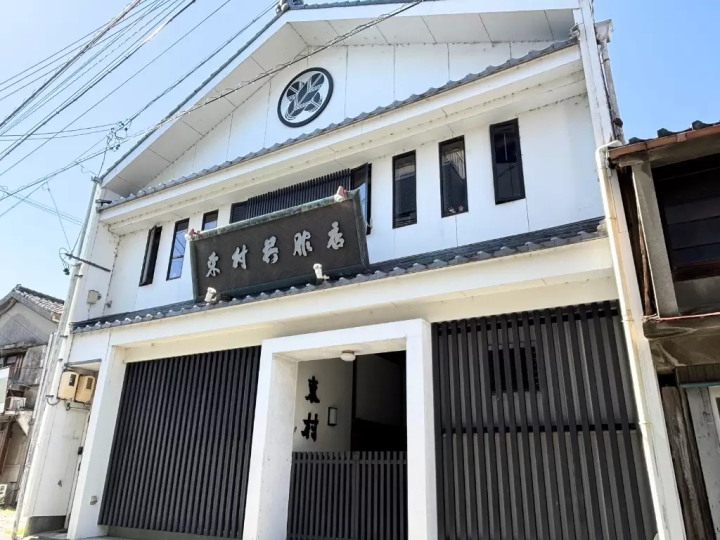
This kimono shop, founded in 1924, was renovated in 2016 and has become a beloved spot for both tourists and locals, offering not only kimono rentals but also a gallery and a space with a kitchen.
Matsusaka momen kimonos, much like denim or leather goods that develop a unique character over time, become more vibrant in color each time they are worn.
Depending on the color of your obi and how you tie it, you can create a look that's either cute or cool. Enjoy expressing your own style through your kimono, including the fun of choosing your favorite one at the shop.
Utsukushiya Higashimura Kimono Store also operates as a private lodging facility, renting out the entire building and accepting only one group per day. In addition to the hotels around Matsusaka Station, private lodging facilities are also worth considering as a base for sightseeing in Matsusaka.
Whether you're looking to rent a kimono, book a rental space, or find accommodation in a private lodging, feel free to contact Utsukushiya Higashimura Kimono Store first.
Utsukushiya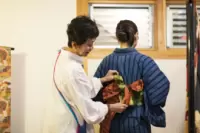
14:00 Explore the Castle Town in an Indigo Kimono
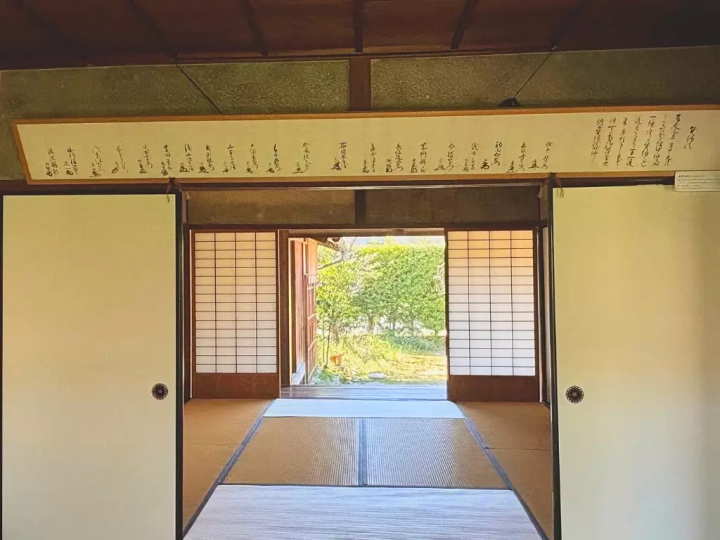
Try strolling through the castle town in a Matsusaka momen kimono. The cotton kimono is soft and allows for light and easy movement while walking around town.
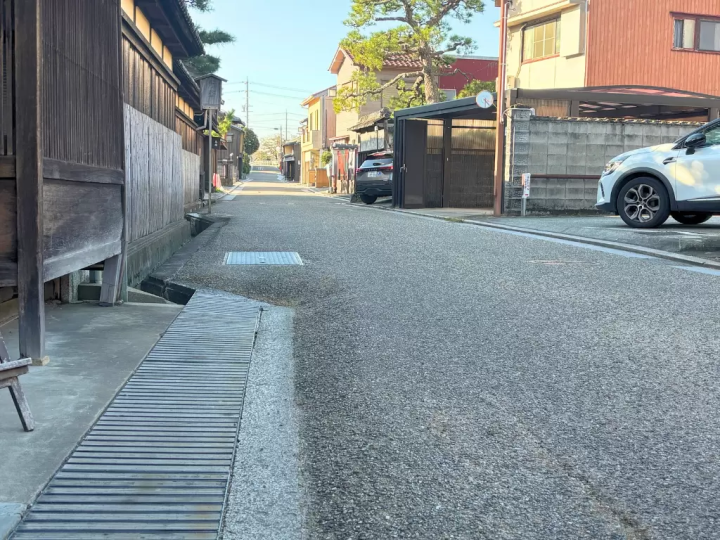
One place you should visit while strolling through the castle town is the "Gojoban Yashiki" (Castle Guard Residences). These were the residences where the samurai who protected Matsusaka Castle lived, and some areas are still inhabited today.
This Castle Guard Residences is another spot where you can feel the spirit of the people of Matsusaka. The people who lived here took pride in being direct retainers of the Kii Tokugawa Family, one of the three main branches of the Edo shogunate, but one day they were suddenly ordered to become retainers of another family.
Feeling their pride had been hurt, they initially left the domain and became ronin (masterless samurai). Later, they petitioned to return to the Kishu Domain, which covered what is now Wakayama Prefecture and parts of Mie Prefecture. Their request was eventually approved, and they settled in Matsusaka Castle Town, where they served as castle guards. The blood oath document preserved at castle guard residences is said to be related to this petition.
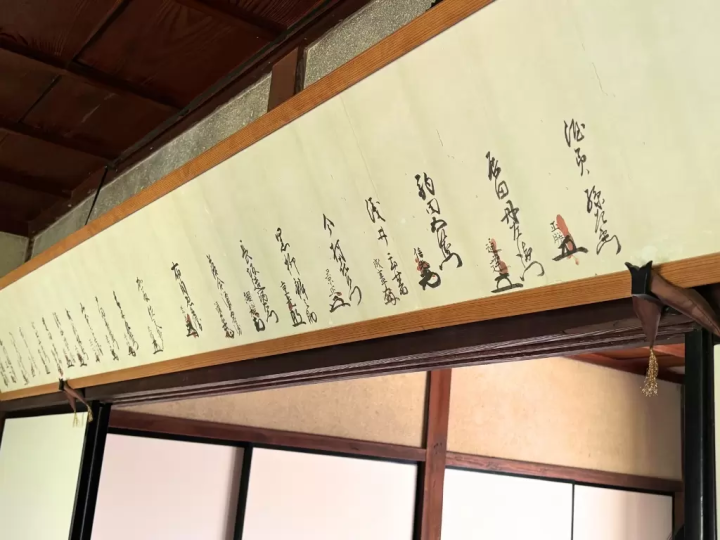
Eventually, the age of the samurai came to an end, and the job of castle guards also disappeared. After the Edo period ended in 1867, the people who had served as castle guards established a company and continue to protect this Castle Guard Residences through subsequent eras to this day.
Gojoban Yashiki
Take a Lunch Break at Usagi no Koya, a Cafe in the Castle Town
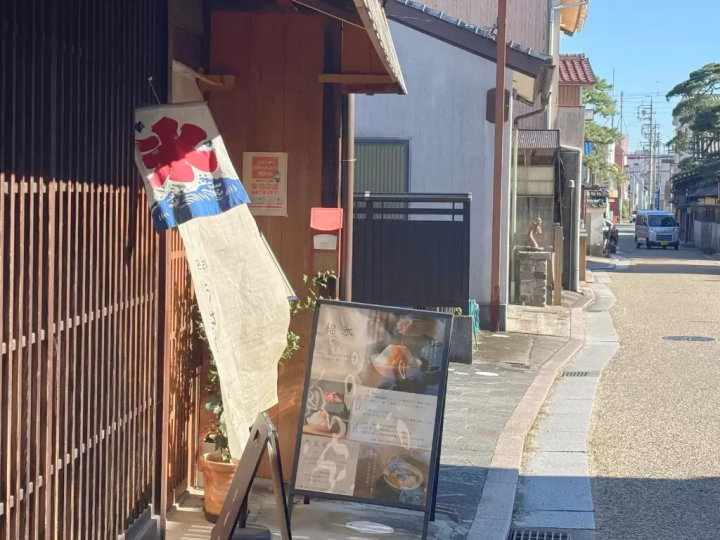
For lunch or a tea break on your first day, we recommend "Usagi no Koya," a charming cafe nestled among the town's historic streets.
Usagi no Koya offers a wide variety of tea-based dishes, allowing you to fully enjoy Matsusaka and Mie's famous teas whether you're having lunch or just visiting as a cafe.
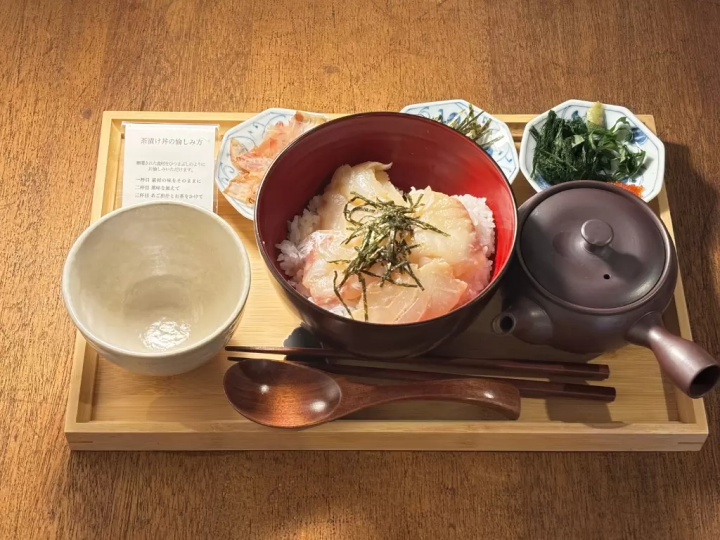
For lunch, we recommend the ochazuke (rice with tea poured over it). Like hitsumabushi (grilled eel served over rice), you can enjoy it in several ways: first, taste it as it is, then add condiments, and finally pour tea over it. Each step brings out a different flavor.
The menu includes ochazuke with raw fish, such as sea bream and tuna, as well as ochazuke with Matsusaka beef simmered in a sweet soy-based sauce. With options that don't include raw fish, even those who aren't comfortable eating raw seafood can enjoy a meal here.
They also offer a wide variety of cafe menu items featuring tea and roasted green tea.
Matcha milk and hojicha milk are perfect for enjoying tea time while chatting leisurely. Classic menu items like matcha zenzai (sweet red bean soup with matcha) and shaved ice are also popular. Seasonal flavors are also available, so be sure to enjoy the tea-based sweets that are in season.
This rest stop during your stroll through the town offers not only lunch and cafe menus, but also tea sets, kitchen goods, and tea for sale.
Usagi no Koya
Visit the Former Ozu Residence & Former Hasegawa Residence, Preserving Merchant Life and Gardens
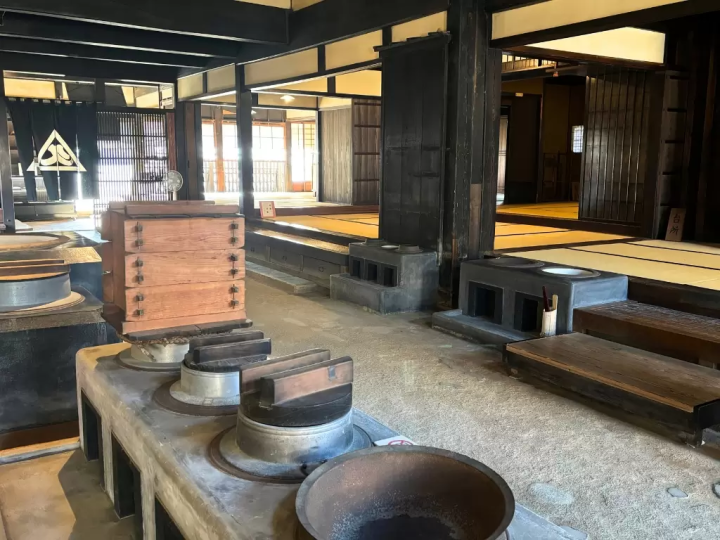
Two places worth visiting to experience the spirit of Matsusaka are the Former Ozu Residence and the Former Hasegawa Residence. Both are valuable cultural assets that offer a glimpse into the lives of the Ise merchants who once lived here.
Both the Ozu family, who succeeded as paper wholesalers in Edo (now Tokyo), and the Hasegawa family, who succeeded as cotton merchants, had large hearths.
In an era when travel other than to shrines and temples was forbidden to ordinary people, a pilgrimage to the grand shrine in Ise was a dream for many. It is said that this large hearth was built by wealthy merchants to provide rice balls and porridge to travelers heading to Ise along the Ise Road.
The merchants of Ise used the information they gathered from those they had given alms to conduct their business in Edo. Those who received the alms also became loyal customers of the Ozu and Hasegawa families saying things like, "If I'm going to shop, I'll go to their store," out of gratitude for the kindness they had received.
The spirit of Matsusaka , which can be felt in the Former Ozu Residence and the Former Hasegawa Residence, is not limited to the large hearths.
At the Former Ozu Residence, part of the entrance hall features a "slatted ceiling" with gaps between the wooden planks, a simpler, less refined design than a typical wooden ceiling. This served as a reminder of the difficult times when the family's business was struggling. Known as the "Ceiling of Admonition," it symbolizes the self-discipline the family maintained even after becoming wealthy merchants.
The spirit of wealthy merchants can be felt in various ways, from their kindness towards people and their shrewdness as businesspeople to their strictness with themselves. Among the qualities of their character that can be felt in the Former Ozu Residence and the Former Hasegawa Residence, there is also a sense of "elegance." The transoms in each house are elaborately designed, with patterns that have meaning and that evoke the passage of time.
The Former Hasegawa Residence has deep ties to the Urasenke school of tea ceremony, and rather than ostentatious beauty, the building and garden are adorned with a subtle beauty that "those who notice will appreciate."
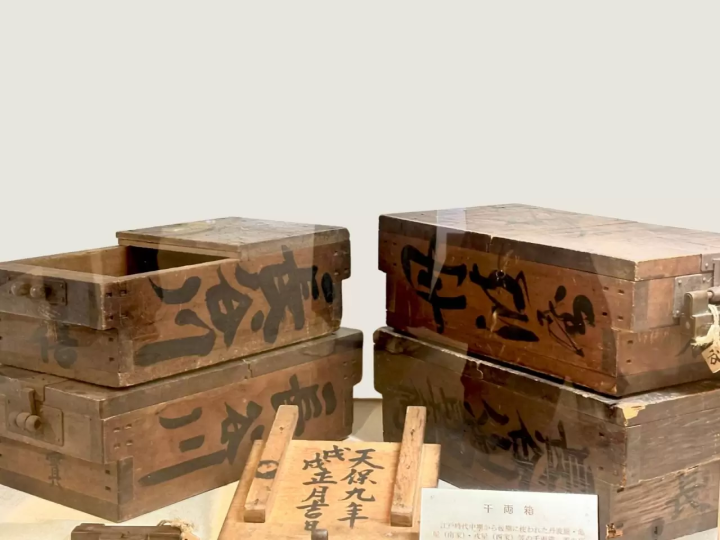
Both residences were built by wealthy merchants and feature exhibits that offer a glimpse into their lives during the Edo period. These include treasure chests once used to store gold coins, such as the 1,000-ryo and 10,000-ryo boxes. At the Former Ozu Residence, you can see a bronze 10,000-ryo box, while the Former Hasegawa Residence offers the chance to hold a replica of a 1,000-ryo box. Both houses also display items once used by their former residents. At the Former Hasegawa Residence, approximately 87,000 historical documents are preserved, with exhibits updated every three months.
Visit the mansions of the Ise merchants, who are known for their frugality and self-discipline, and see the thoughts and dedication they have poured into their homes.
Former Hasegawa Residence
18:00 Enjoy Matsusaka Beef at a Popular Yakiniku Restaurant
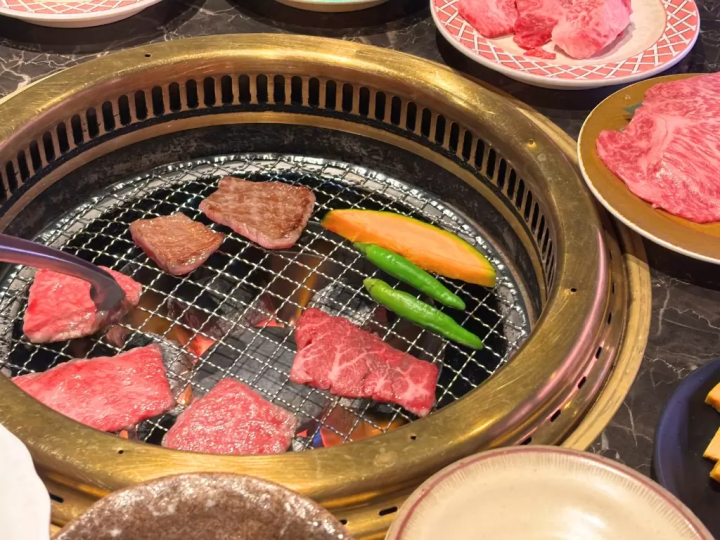
For dinner on the first day, we recommend enjoying Matsusaka beef at Isshobin's Miyamachi branch, one of several locations in Matsusaka City.
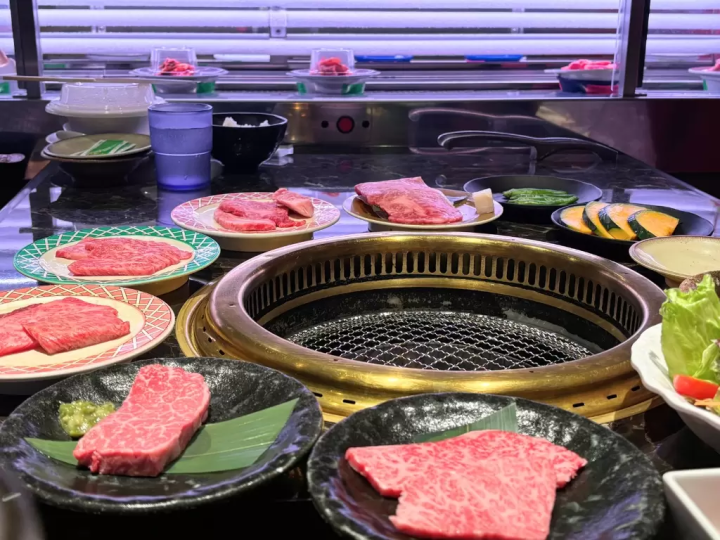
At Isshobin's Miyamachi branch, you can also enjoy "kaiten yakiniku," a unique style of dining where you choose meat as it passes by on a conveyor belt, just like at a conveyor belt sushi restaurant, and grill it yourself.
Of course, you can also enjoy plenty of Matsusaka beef here. The beautifully marbled beef, with its fine streaks of fat running through the lean meat, is exceptional. The fat melts in your mouth, making every bite delicious.
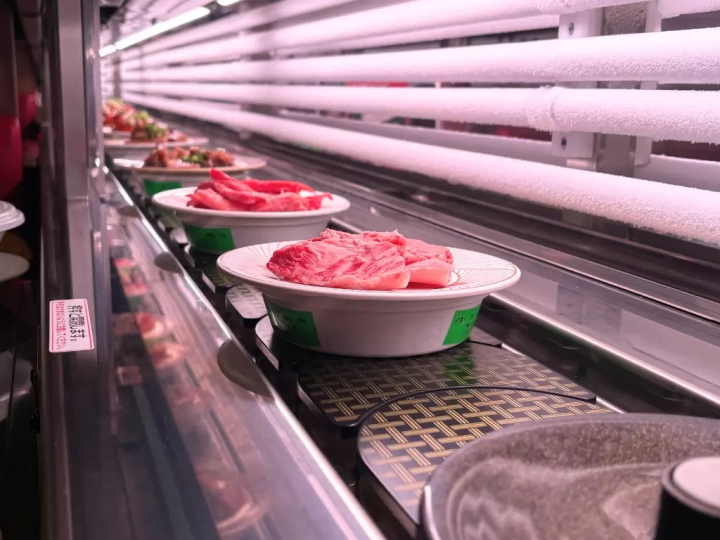
The menu includes classic yakiniku cuts like kalbi and sirloin, as well as thick cuts of rump steak. This yakiniku restaurant will satisfy both those who want to savor small portions of various meats and those who want to enjoy substantial, high-quality cuts.
In addition to yakiniku, they also offer rice dishes, cold noodles, and desserts. After enjoying the marbled Matsusaka beef, you can choose from the conveyor belt or order from the staff to finish off your meal.
Isshobinn Miyacho branch also has regular seating where you can enjoy yakiniku in the standard Japanese style.
Let's head back to the hotel after dinner. The area around Matsusaka Station is convenient, with many restaurants where you can enjoy local favorites like Chicken Yakiniku, as well as convenience stores.
isshobin
Day 2: Experience Matsusaka with All Your Senses
After enjoying tender Matsusaka beef for dinner on the first day, you'll likely have a very energetic morning the next day. Use that energy to explore the town and try activities like experiencing Matsusaka momen, and enjoy your second day in Matsusaka.
Morning Walk at Matsusaka Castle Ruins with Panoramic Views of the Historic Town
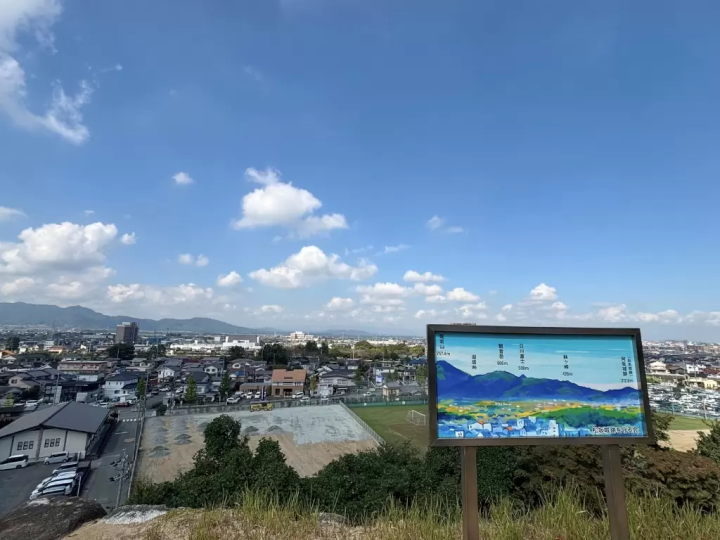
Matsusaka Castle Ruins, located past the city hall when viewed from Matsusaka Station, is both a tourist attraction and a place of relaxation for local residents.
Apparently, volunteers start their morning radio calisthenics at 6:30 a.m, and energetic Matsusaka residents enjoy exercising here while taking in the view of the city.
Although Matsusaka Castle no longer stands, its uniquely shaped stone walls remain. The castle's first lord, Gamo Ujisato, brought in craftsmen known as the Anō-shū, who built the walls using a technique called "nozurazumi", which makes use of the stones' natural shapes.
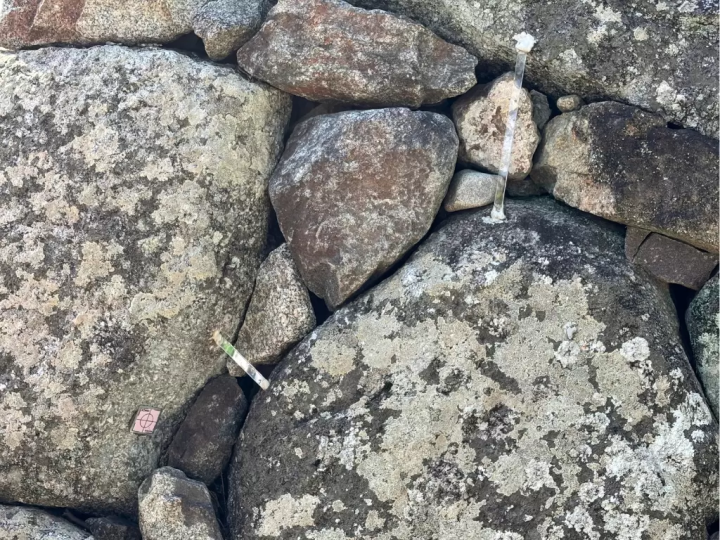
While the city continues to carry out repairs, the rough-hewn stone walls of Matsusaka Castle ruins welcome visitors.
Matsusaka Castle Ruins are now known as a place adorned with beautiful flowers. Plum blossoms bloom at the end of winter, cherry blossoms and wisteria in spring, and autumn leaves in fall, decorating the castle ruins in each season, allowing visitors to admire the beauty of the flowers while overlooking the city of Matsusaka below.
In April, the "Norinaga Festival" is held, named after Motoori Norinaga, an Edo-period physician and scholar of Japanese classics who was born and raised in Matsusaka. Many people come to enjoy the festival and the approximately 250 cherry trees located within the castle grounds.
In November, the Ujisato Festival is held in honor of Gamo Ujisato, who established Matsusaka as a castle town. Visitors can enjoy a parade featuring samurai in traditional armor.
12:00 Enjoy Matsusaka Beef Sukiyaki at Gyugin Honten
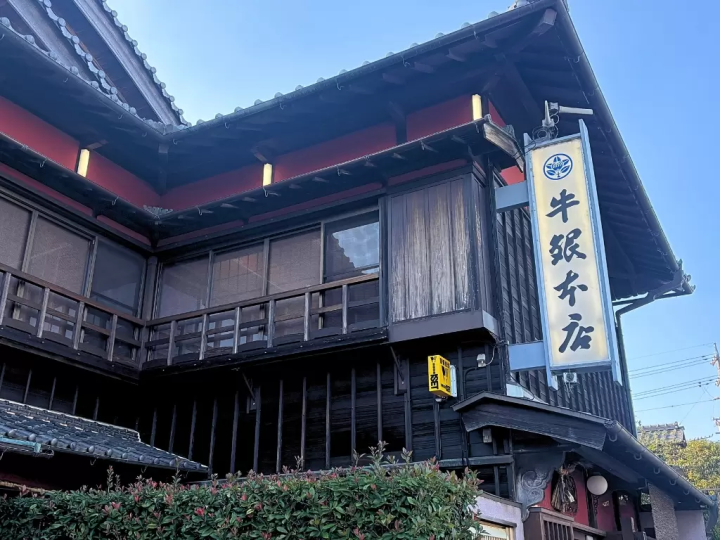
After a long walk around the Matsusaka Castle ruins, let's enjoy Matsusaka beef sukiyaki at "Gyugin Honten."
After being greeted by the staff at the impressive entrance, you'll enjoy sukiyaki prepared for you by a waitress in the dignified interior. The spacious seating includes both tatami mats and tables, making it comfortable for those with mobility issues or those who prefer not to sit on the floor.
In Matsusaka, the waitress explains how to make Matsusaka as she prepares it. Beautiful Matsusaka beef is cooked in a pot, first seasoned simply with sugar and soy sauce. The aroma of the sugar and soy sauce coating the meat as it cooks is incredibly appetizing.
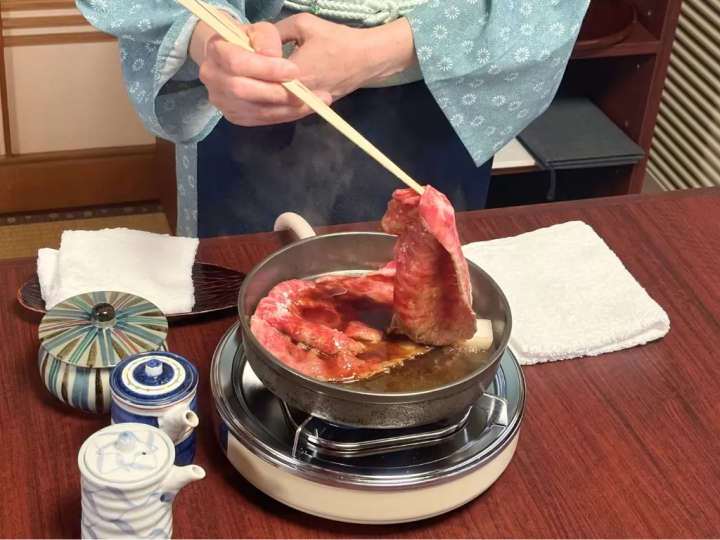
While savoring the Matsusaka beef, so tender it can be cut with chopsticks, the waitress prepares the vegetables next. The timing of the cooking is adjusted according to the customers' eating pace, allowing you to enjoy sukiyaki at your leisure.
After enjoying the vegetables, we'll grill the meat again. Compared to the first time we grilled the meat, the broth released from the vegetables will deepen the flavor, so be sure to pay attention to the difference in taste. After savoring the complex flavor of the meat the second time, we'll cook the tofu in the pot last. Coat the tofu with the concentrated sukiyaki sauce and enjoy every last bit of the sukiyaki.
Gyugin Main Store
14:00 Experience the Art of Hand-Weaving Traditional Matsusaka Momen
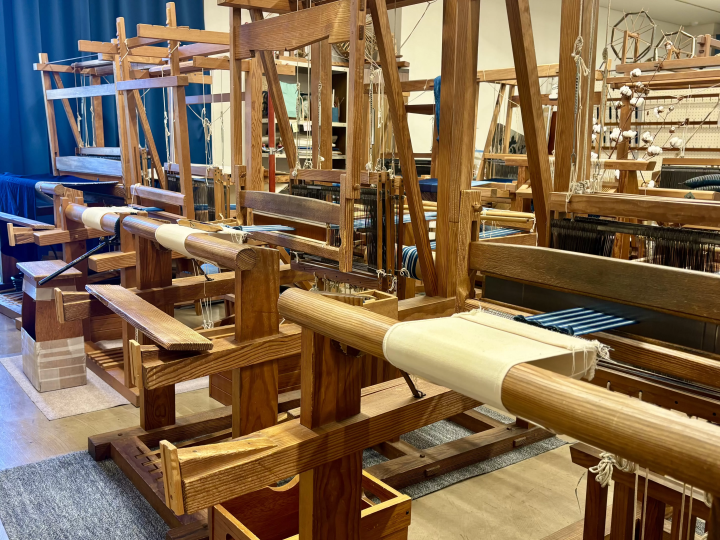
After enjoying a hearty sukiyaki lunch, head to the Matsusaka Cotton Center to experience traditional Matsusaka momen firsthand.
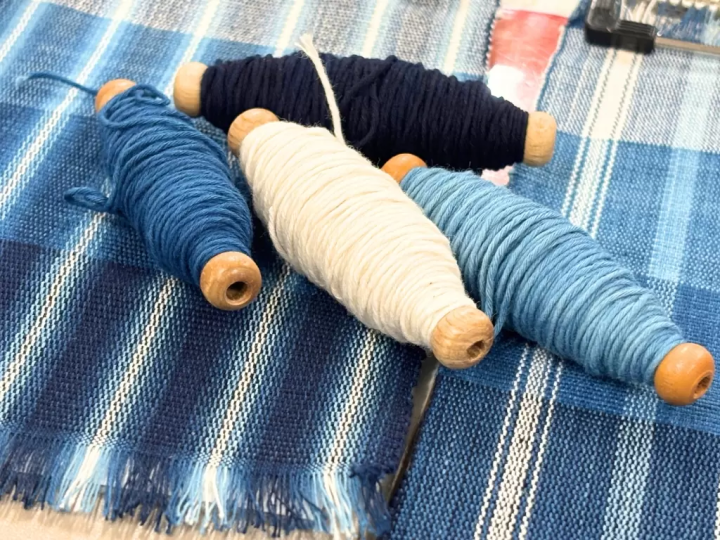
Matsusaka momen is a textile made in four colors: navy blue, light blue, kame-nozoki (a type of dark blue), and white. Handwoven versions of the fabric are still produced today by people dedicated to preserving the culture. Only fabrics that have undergone rigorous quality checks are recognized as Matsusaka momen, and whether machine-woven or handwoven, the high quality of the fabric is a defining characteristic of Matsusaka momen.
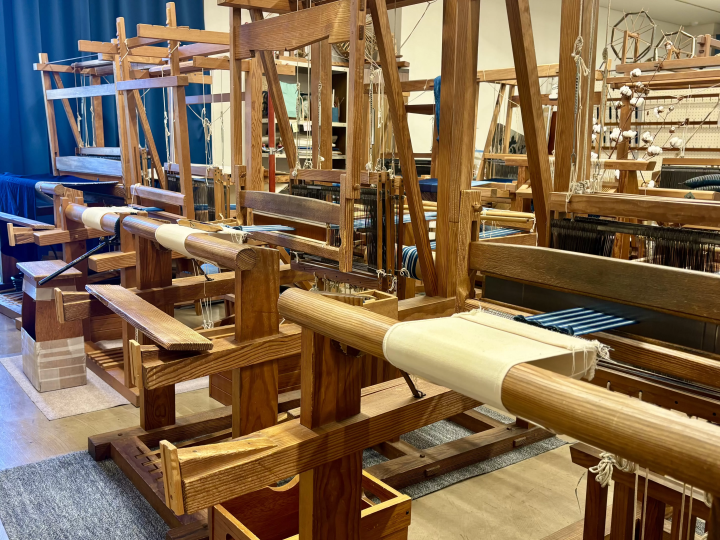
At the Matsusaka Cotton Center, which sells clothing and accessories made from Matsusaka momen, you can try weaving the traditional fabric yourself using a loom as part of a hands-on weaving experience.
Let's choose from four different patterns and four different weft threads, and create a piece of fabric approximately 20 centimeters in size.
Sitting at the loom, you can smell the wonderful scent of indigo. As you enjoy the fragrance and are guided through the process, you gradually weave, and the warp and weft threads come together to form a single piece of fabric.
When a skilled weaver sits at the loom, you can hear the pleasant "tap, tap, tap" sound. Even in a mini weaving experience, be sure to try to achieve this beautiful weaving sound.
Matsusaka Cotton Center
Near the Matsusaka Cotton Center is the "Matsusaka City Tourist Information Center" where you can learn about tourist information and the history of the town. The shop on the first floor sells not only products made with Matsusaka beef, but also local specialty tea, famous honey, classic souvenirs, and goods featuring "Chachamo," the mascot character of Matsusaka City.
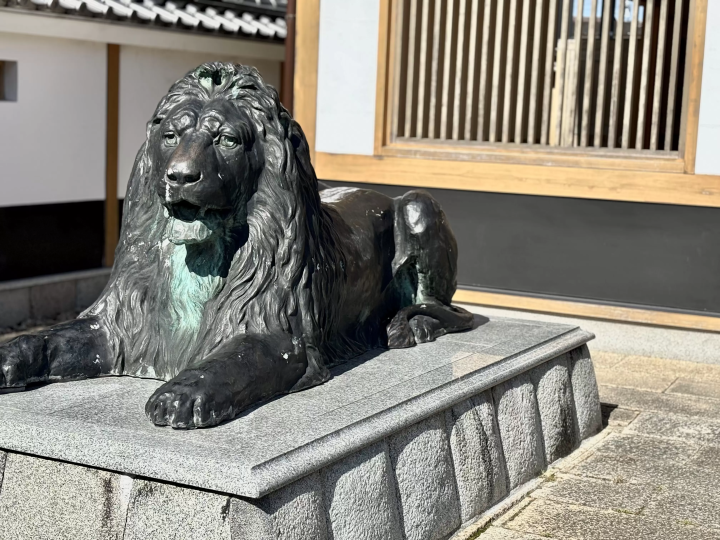
Also, near the Matsusaka Cotton Center, there is a statue of a lion that is said to bring good fortune to those who ride it. This statue was donated by the Mitsui Family, the wealthiest merchants in Matsusaka (the founding family of Mitsukoshi, a department store now under Mitsukoshi Isetan Holdings). This shows that the wealthy merchants of Matsusaka kept their home base in Matsusaka even though they conducted business from Edo, and that they still love Matsusaka to this day.
15:30 Enjoy Local Snacks and Souvenir Shopping in Matsusaka
After using your mind and body with a mini Orihime experience, let's head to "Yoiho Mall" to enjoy some street food and buy souvenirs.
Around Yoiho Mall, you'll find a variety of shops selling classic souvenirs and snacks perfect for enjoying while strolling around.
Yanagiya Hozen’s Traditional Japanese Confection, Oinotomo, Loved by Film Director Yasujiro Ozu
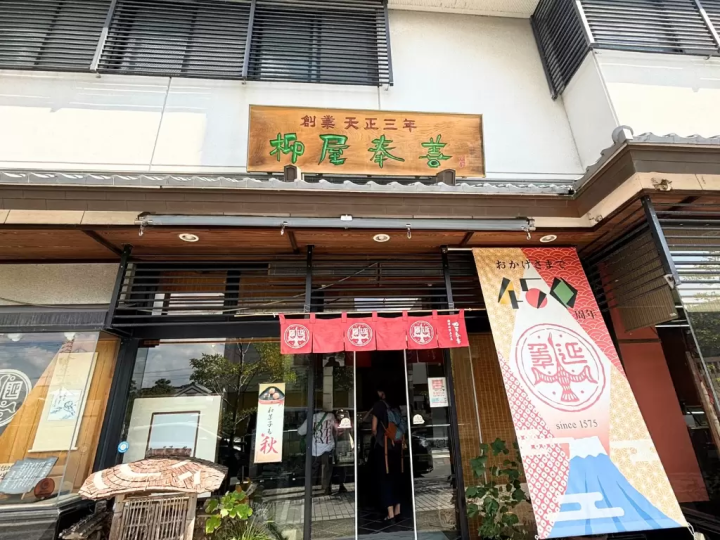
At "Yanagiya Hozen", a long-established Japanese confectionery shop in Matsusaka City , you can find a sweet called Oinotomo.
Oinotomo is said to have originated as a gift for Gamo Ujisato, the lord of Matsusaka. This special monaka (a traditional Japanese wafer confection) is made with 100% premium glutinous rice from Takayama and filled with crimson yokan (sweet bean jelly).
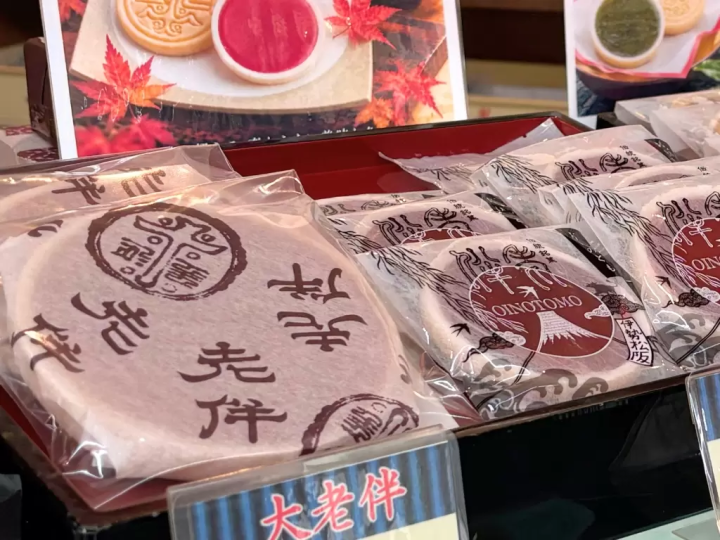
Records show that Oinotomo was brought back to Edo by the renowned sumo wrestler Shiranui after a tour of Ise during the Edo period, helping it gain popularity. Film director Yasujiro Ozu, who had ties to the Ozu Seizaemon family, one of Matsusaka's wealthy merchant families, was also known to have purchased it. Oinotomo has been cherished by many people for generations.
The name "Oinotomo" (老伴) comes from the phrase "Laoban Wu Ru He" (老伴無如鶴), meaning "no companion is as faithful as a crane," in "Wen Qiu Guang" (問秋光), a poem by Bai Juyi, a renowned poet of China's Tang dynasty. The name evokes the image of a lifelong companion, while the confection's crimson color is reminiscent of the Japanese flag. While preserving the traditional flavor that has been loved for generations, Yanagiya Hozen has also developed a variety of new flavors. Be sure to try not only the classic Oinotomo but also some of these other options!
Freshly Fried Matsusaka Beef Croquettes at Marunaka Honten, a Local Favorite
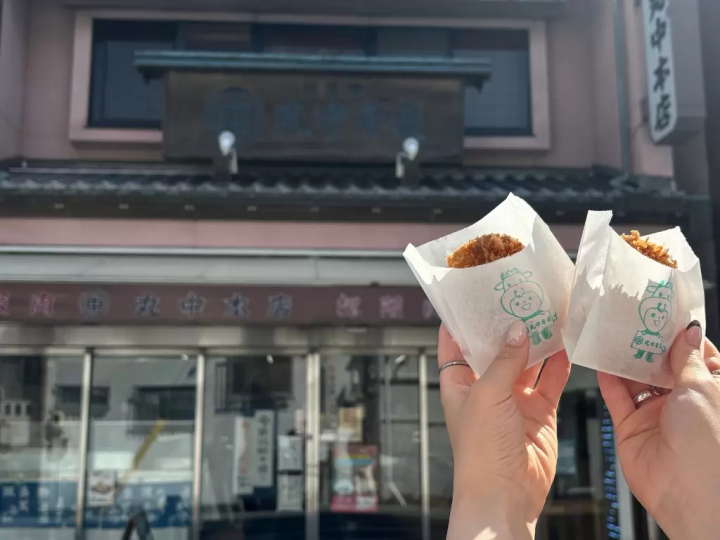
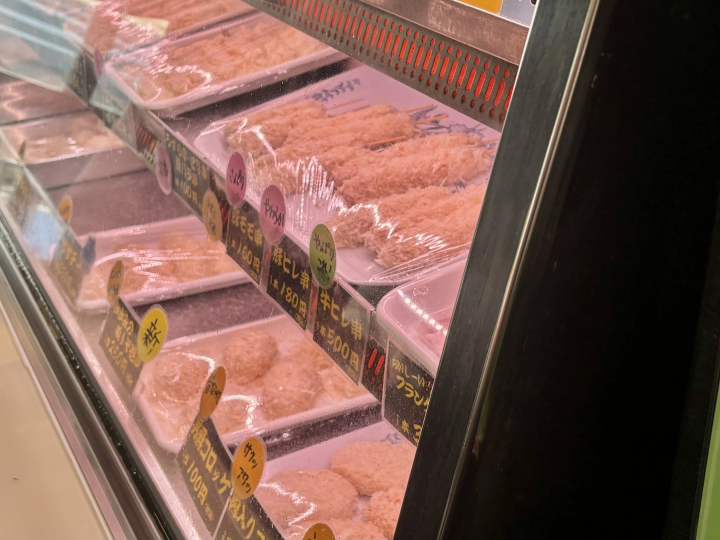
The fried food at "Marunaka Honten" is a favorite not only among tourists but also among locals. Marunaka Honten, a butcher shop, displays not only meat but also battered meat in its showcase, which locals take home to fry and enjoy as a side dish.
Of the items displayed in the showcase, the croquettes can be fried on the spot and taken away to eat.
Take a Break at Yamasaku and Enjoy Sawamochi, a Traditional Japanese Sweet
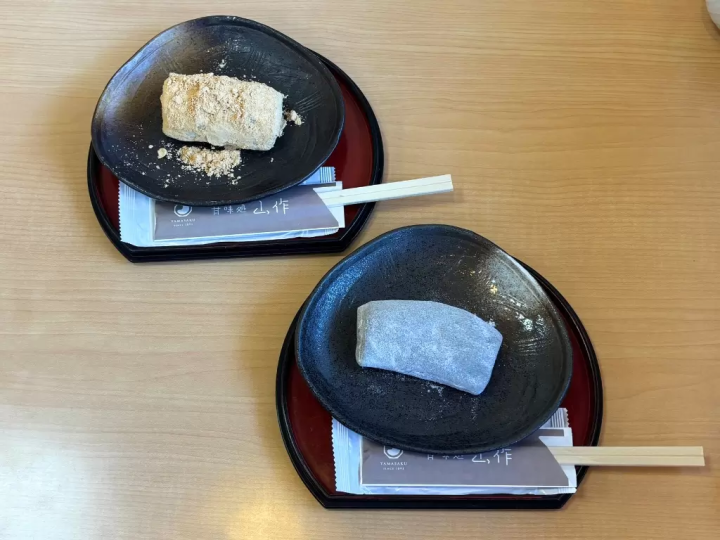
Among the many Japanese confectionery shops in downtown Matsusaka, "Yamasaku" is popular with many people because it offers a cafe area where customers can enjoy their sweets.
The signature product, Sawamochi, comes in four standard varieties: white, mugwort, cream cheese, and kinako (roasted soybean flour). The chewy dough is filled with red bean paste (or red bean paste and cream cheese in the cream cheese version).
They also have Sawamochi available for takeaway, so it's a good idea to buy some to take home instead of eating in.
Explore Matsusaka with this Suggested Itinerary
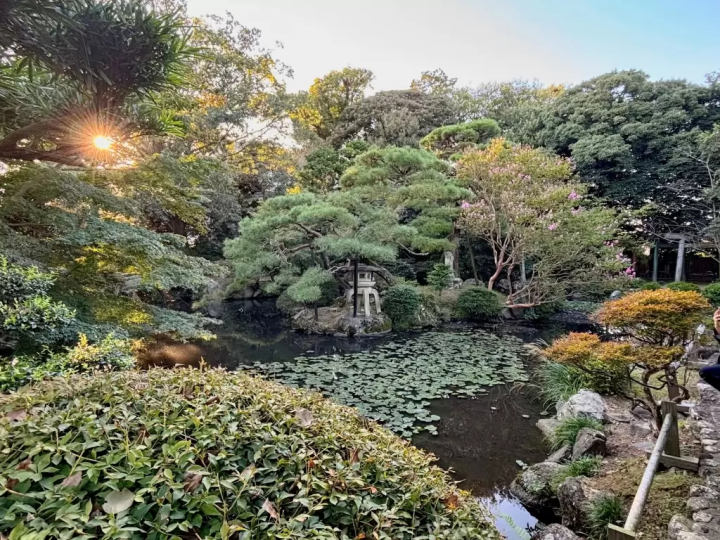
This time, we introduced a 2-day, 1-night itinerary exploring the heart of Matsusaka.
Matsusaka is the second-largest municipality in Mie Prefecture and is blessed with abundant natural beauty, including mountain ranges and waterfalls. Beyond the city-center attractions featured in this itinerary, there is much more to explore and experience throughout Matsusaka. We hope you'll visit and discover its many charms!