
Are you unsure how to get from Tokyo to the Mount Fuji/ Lake Kawaguchiko area? This article provides a detailed guide to recommended transportation options, including direct buses with no transfers and the JR Limited Express "Fuji Kaiyu" train.

Written by
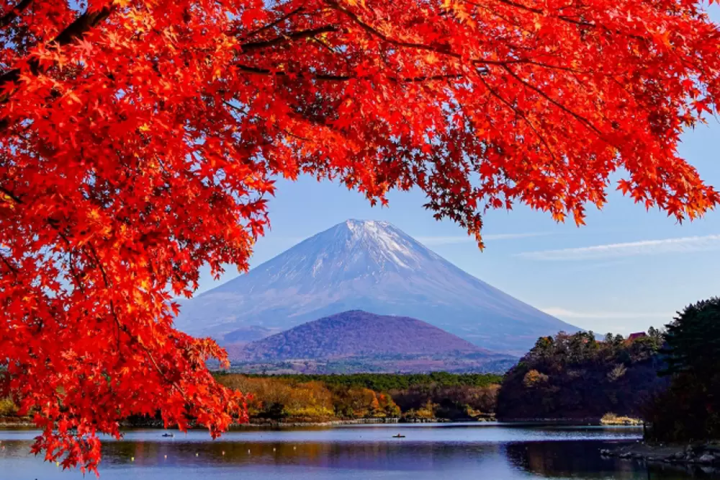
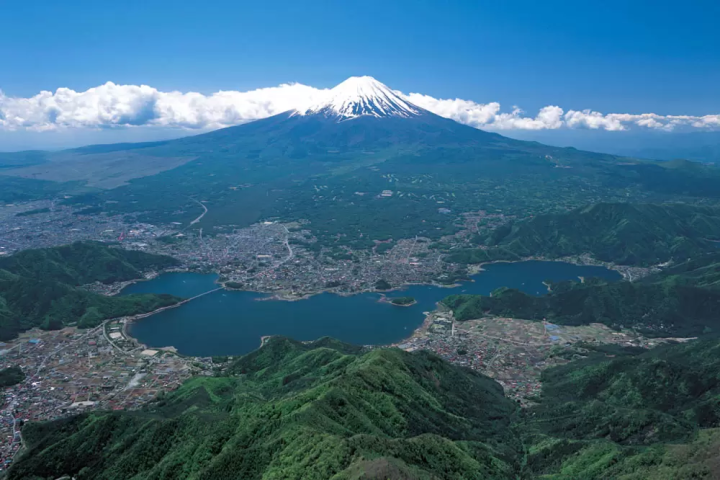
We will be sharing fascinating information about the northern foothills of Mt. Fuji in Yamanashi Prefecture, including Mt. Fuji itself — a symbol of Japan recognized and admired around the world — as well as the World Heritage sites associated with it. The Fuji Five Lakes region, located on the northern side of Mt. Fuji in Yamanashi Prefecture, is an area rich in natural beauty. It includes Lake Motosuko, Lake Shojiko, Lake Saiko, Lake Kawaguchiko, and Lake Yamanakako. The UNESCO World Cultural Heritage site "Fujisan, Sacred Place and Source of Artistic Inspiration" consists of various cultural assets, including historic shrines such as Kitaguchi Hongu Fuji Sengen-jinja Shrine, Kawaguchi Asama-jinja Shrine, and Fuji Omuro Sengen-jinja Shrine, as well as the natural monument Oshino Hakkai and other component sites extending into Shizuoka Prefecture. The foothills of Mt. Fuji, a popular tourist destination, offer attractions throughout all four seasons. In spring, visitors can enjoy breathtaking views of Mt. Fuji, cherry blossoms, and the five-story Chureito Pagoda at Arakurayama Sengen Park. During summer, Oishi Park serves as the main venue for the Kawaguchiko Herb Festival. In autumn, the Lake Kawaguchiko Momiji Corridor offers beautiful scenery featuring Mt. Fuji and vibrant autumn leaves. During winter, Fujiten Snow Resort provides skiing and snowboarding with spectacular views of Mt. Fuji. In recent years, activities such as trekking, cycling, and camping in the magnificent natural surroundings of Mt. Fuji have also become increasingly popular. Based around the Lake Kawaguchiko area in the northern foothills of Mt. Fuji, our company operates several attractions and facilities, including Fuji Subaru Land, a theme park surrounded by the natural beauty of Mt. Fuji; Fujizakura Heights Beer, an award-winning craft beer brewed using natural spring water from Mt. Fuji; Fuji Chobo no Yu Yurari Onsen, a natural hot spring sourced from 1,000 meters underground at the foot of Mt. Fuji; and Fujiten Snow Resort, where visitors can enjoy winter activities such as skiing and snowboarding with magnificent views of the mountain. From the Lake Kawaguchiko area at the northern foothills of Mt. Fuji, we will continue sharing the ever-changing beauty of Mt. Fuji throughout the seasons.
-
Table of Contents
- Recommended transportation options from Tokyo: Narita to Kawaguchiko Sta.(one way) (as of October 15, 2026)
- Recommended transportation options from Tokyo: Haneda Airport to Kawaguchiko Sta.(one way) (As of October 15, 2026)
- Step 1: First, head to Shinjuku Station from your chosen airport.
- From Narita to Shinjuku Station...
- From Haneda Airport to Shinjuku Station...
- Step 2: Next, let's head to Kawaguchiko Sta.!
- Departing from Haneda Airport! Recommended sightseeing route Lake Kawaguchiko at the Mount Fuji
Recommended transportation options from Tokyo: Narita to Kawaguchiko Sta.(one way) (as of October 15, 2026)

① Use the Narita Express + highway bus
Cheap and fast! This is the best plan for those who prioritize cost-effectiveness, but it involves travel from Shinjuku Station to the Shinjuku Bus Terminal. Also, delays may occur due to traffic congestion, etc.
| overview | Details (one way) |
| Duration | 3 hours 15 minutes or more (excluding waiting time and travel time for trains) |
| Fee | Total: 5,530 yen Narita Express: 3,330 yen (basic fare 1,600 yen, special fare 1,730 yen) Express bus: 2,200 yen |
② Use the Narita Express + Fuji Kaiyu (fuji sightseeing bus).
While this option takes slightly longer than using express buses, the transfers are relatively easy. Also, you'll arrive at your destination on time, making it easier to plan your trip.
| overview | Details (one way) |
| Duration | 3 hours 20 minutes or more (excluding waiting time and travel time for trains) |
| Fee | Total: 7,530 yen Narita Express: 3,330 yen (basic fare 1,600 yen, special fare 1,730 yen) Fuji Sightseeing Tour: 4,200 yen (basic fare 2,580 yen, limited express surcharge 1,620 yen) |
How to get between Narita and Shinjuku
| means of transportation | Duration | Fare (one way) | transfer |
| Narita Express | 80-90 minutes | 3,330 yen | none |
| Keisei Skyliner | 65-70 minutes | 2,790 yen | 1st time (Nippori) |
| Limousine bus | 85-110 minutes | 3,600 yen | none |
| local train | 90-100 minutes | 1,490 yen | 1st time (Nippori) |
How to get from Shinjuku to Lake Kawaguchiko
| means of transportation | Duration | Fare (one way) | transfer |
| Highway bus | 1 hour 45 minutes to 2 hours | 2,200 yen | none |
| Fuji Excursion | 1 hour 50 minutes | 4,200 yen | none |
| JR Limited Express + Fujikyu Railway Line | 2 hours 15 minutes to 2 hours 30 minutes | 3,800 yen to 4,000 yen | 1st time (Otsuki Station) |
| local train | 2 hours 40 minutes to 3 hours | 2,510 yen | 1-2 times (Takao, Otsuki Station, etc.) |
⚠️ While express buses are the fastest and cheapest option, they also carry the risk of traffic jams, so please allow ample time for your journey.
Recommended transportation options from Tokyo: Haneda Airport to Kawaguchiko Sta.(one way) (As of October 15, 2026)
① Use the Keikyu Line + express bus
| overview | Details (one way) |
| Duration | 2 hours 25 minutes or more (excluding waiting time and travel time for trains) |
| Fee | Total: 2,730 yen Keikyu Line (Shinagawa Station) + JR 590 yen Highway bus: 2,200 yen
Haneda Airport ➤ Keikyu Line Shinagawa Station ➤ (Transfer) Yamanote Line, Saikyo Line, or Shonan-Shinjuku Line ➤ Shinjuku ➤ Busta Shinjuku |
② Use the Keikyu Line + Fuji Kaiyu
| overview | Details (one way) |
| Duration | 2 hours 30 minutes or more (excluding waiting time and travel time for trains) |
| Fee | Total: 4,730 yen Keikyu Line + JR (transfer at Shinagawa Station): 590 yen Fuji Sightseeing Tour: 4,200 yen (basic fare 2,580 yen, limited express surcharge 1,620 yen) Haneda Airport ➤ Keikyu Line Shinagawa Station ➤ (Transfer) Yamanote Line, Saikyo Line, or Shonan-Shinjuku Line ➤ Shinjuku ➤ Board the Fuji Kaiyu bus |
How to get between Haneda Airport and Shinjuku
| means of transportation | Duration | Fare (one way) | transfer |
| Limousine bus | 35-50 minutes | 1,400 yen | none |
| Keikyu Line + JR (transfer at Shinagawa Station) | 40-45 minutes | 590 yen | 1st time (Shinagawa Station) |
| Monorail + JR | 45-50 minutes | 780 yen | 1st time (Hamamatsu Station) |
| Monorail + Toei Oedo Line | 45-50 minutes | 740 yen | 1st time (Daimon Station) |
For information on how to get between Shinjuku and Lake Kawaguchiko, please refer to the above information on how to get between Narita and Lake Kawaguchiko.
For those who travel around the Kanto region by train, using the "JR EAST PASS" issued by JR East is highly recommended.
For details on the JR EAST PASS, please visit: https://www.jreast.co.jp/multi/en/pass/eastpass_t.html
Step 1: First, head to Shinjuku Station from your chosen airport.

Those using Japan's main gateways, Narita and Haneda Airport, should first head to Shinjuku Station. Shinjuku Station is a convenient station for those heading to the Fuji Five Lakes area, as both trains and express buses depart from there.
From Narita to Shinjuku Station...
In the case of trains

The safest option from Narita is the Narita Express. While there are other options such as JR conventional lines, private railways like Keisei and Keikyu, and limousine buses, considering the hassle of transfers, it's faster and more convenient to use the Narita Express, even if it's slightly more expensive, as it goes directly to Shinjuku. The Narita Express goes directly to Shinjuku in about 90 minutes. Alternatively, although it requires a transfer at Nippori, the Keisei Skyliner, which has more frequent service than the Narita Express, is also recommended.
In the case of a bus

It takes approximately 100 minutes by limousine bus from Narita.
From Haneda Airport to Shinjuku Station...
In the case of trains

Haneda Airport is directly connected to the Keikyu Line and the Tokyo Monorail Line.
It takes 15 minutes to Shinagawa Station on the Keikyu Line, then 20 minutes to Shinjuku Station by transferring to the Yamanote Line.
On the other hand, with the Tokyo Monorail, it takes 20 minutes to get to Monorail Hamamatsu Station, then 25 minutes to Shinjuku Station by transferring to the Yamanote Line.
In the case of a bus

It takes about 50 minutes by limousine bus from Haneda Airport.
Step 2: Next, let's head to Kawaguchiko Sta.!

Once you arrive at Shinjuku Station, your next destination is Kawaguchiko Sta.. You can access Kawaguchiko Sta. by bus or train, but the express bus is particularly recommended as it's both affordable and fast.
In the case of trains

Take the JR Chuo's limited express trains "Kaiji" or "Azusa" from Shinjuku Station to Otsuki Station (60 minutes). Transfer to the Fujikyu Railway Line at Otsuki Station, and it's about another 60 minutes to Kawaguchiko Sta. .
Additionally, the "Limited Express Fuji " train, which connects Shinjuku and Lake Kawaguchiko in approximately two hours, is also a convenient option.
In the case of a bus

It takes approximately 105 minutes by taking the Chuo Expressway Bus "Shinjuku - Fuji Five Lakes Line" from Shinjuku Expressway Bus Terminal "Busta Shinjuku".
There is also a direct bus from Haneda Airport to Lake Kawaguchiko , but the number of services is limited, so please use it only if the timing is right for you.
https://bus.fujikyu.co.jp/highway/haneda-fujisan/
Departing from Haneda Airport! Recommended sightseeing route Lake Kawaguchiko at the Mount Fuji
Day 1
9:00 Arrived at Haneda Airport, Japan's gateway.

9:33 Keikyu Airport Line Express
09:56 Arrived at Shinagawa Station
10:08 JR Yamanote Line Outer Loop towards Shibuya/Shinjuku
10:27 Arrived at Shinjuku Station
~Walk to Shinjuku Bus Terminal~

11:15 Boarded the express bus (Shinjuku- Fuji Five Lakes line)
Arrived at Kawaguchiko Sta. at 13:00.
13:05 Lunch at "Hoto Fudo"

14:00 After finishing lunch, we headed to Lake Kawaguchiko Oishi Park.
Use the Lake Kawaguchiko sightseeing bus. For details, please see here: https://www.fujikyubus.co.jp/shuyu
14:20 Arrived at Oishi Park

Enjoy the spectacular view of Mount Fuji and Lake Kawaguchiko.
How about some lavender soft serve ice cream for dessert after your meal?
At 3:00 PM, we'll head back to Kawaguchiko Sta. and then go to our accommodation for the night, "Fuji Midori no Kyukamura" (Fuji Green Vacation Village).
(A free shuttle service is available from Kawaguchiko Sta., but please be sure to make a reservation in advance.)
Arrived at Fuji Midori no Kyukamura at 15:20.

16:00 I'll relax and unwind from the day's fatigue at the adjacent Fuji Chobo no Yu Yurari Onsen.
(We recommend the accommodation plan that includes an admission ticket to the Fuji Chobo no Yu Yurari Onsen.)

-------------------Spending time relaxing at the inn----------------------
Day 2
6:00 Wake up & breakfast
Take a stroll around the area (The area around Fuji Midori no Kyukamura is part of the Fuji-Hakodate Izu Kunitachi Park and is rich in nature. Please enjoy the nature at the foot of Mount Fuji.)
8:30 Depart from Fuji Midori no Kyukamura and take the free shuttle bus to Kawaguchiko Sta..
9:00 We will travel to Fujikanko Travel and enjoy sightseeing Lake Kawaguchiko by Bicycle rental .

All Bicycle rental at Fujikanko Travel are electric-assist bicycles, so even those who are not confident in their physical strength can use them. Also, when you rent a bicycle from Fujikanko Travel , you can use our luggage storage service for free!
At 16:30, I returned to Fujikanko Travel in front of Lake Kawaguchiko Station and returned the bicycle.
I'll pick up my luggage that I left behind and head back to Tokyo.
16:50 Boarded the express bus (bound for Busta Shinjuku).
18:35 Arrived at Shinjuku Bus Terminal
Please note that buses may be delayed due to traffic congestion. If you have flexibility in your travel schedule, we recommend taking the bus; if you want to stay on time, we recommend taking the train!