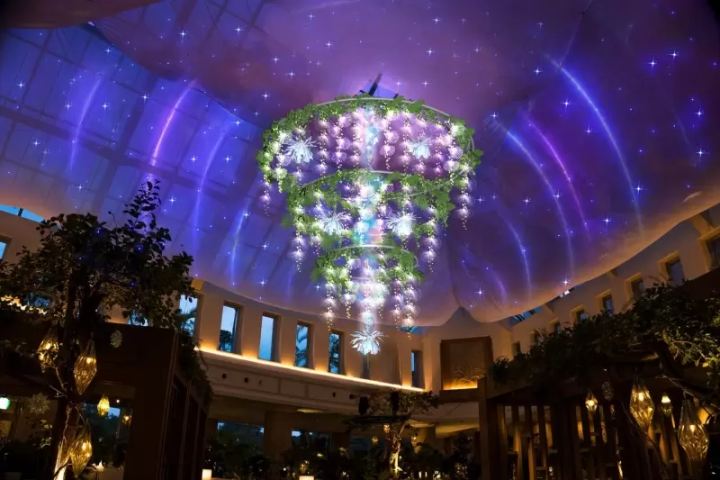

Easily accessible from Kinosaki Onsen, Kasumi is a hidden gem in the Kansai region. It boasts the UNESCO-certified San'in Kaigan Geopark and offers delicious cuisine. This time, we'll introduce the wonderful sights, scenic views, experiences, and food we enjoyed in this charming seaside town.

Written by
We are a voluntary tourism group dedicated to promoting the attractions of the northern Kinki region, specifically the areas of Tamba, Tajima, Tango, and Wakasa. The flavors of northern Kinki are not limited to crab, a representative winter seafood delicacy, but also include oysters, yellowtail, and pufferfish, as well as summer delicacies such as surf clams, rock oysters, and white squid. Mountain delicacies include Tamba chestnuts and Tamba black beans, and summer fruits such as sand dune melons, making it an area where you can enjoy gourmet food all year round. I would be happy if I could share information that allows people to visit this vast northern Kinki region many times and enjoy train travel.
-
Table of Contents
- Perfect Day Trip from Kinosaki Onsen: Kasumi, Hyogo
- Top 3 Locations to Enjoy the Breathtaking Views of the Ocean
- Kasumi's Delicious Food & Must Eats
- Two Perfect Locations to Learn the History of Kasumi
- How to Access Kasumi
- Enjoy the Relaxing Getaway in Kasumi
Perfect Day Trip from Kinosaki Onsen: Kasumi, Hyogo

Kasumi is located in an area close to the sea within the town of Kami Town. It's a seaside town that can be reached by train in about 30 minutes from Kinosaki Onsen.
Kasumi retains the quintessential Japanese landscape. You can forget about time and relax while soaking up the atmosphere of this historic fishing town. Even though it's your first visit, you'll feel a sense of nostalgia.

Surrounded by the majestic Nihon Sea and lush forests, Kasumi has nurtured beautiful scenery, a unique culture, and delicious cuisine. As you stroll through the townscape overlooking the sea, you might feel as if you've stepped into a painting.
This time, we went to explore the charm of this hidden town in Hyogo Prefecture, Kansai region. And we encountered some of the most magnificent ocean views and experiences in Japan.
Top 3 Locations to Enjoy the Breathtaking Views of the Ocean
One of the biggest attractions of Kasumi is undoubtedly the spectacular scenery of the Kasumi coast.
This area is part of the San'in Kaigan Geopark, a UNESCO-certified geopark. The diverse landscape, shaped by the rough waves of the Sea of Nihon Sea and winter winds, captivates many people.
On this trip, we visited three spots where we could enjoy particularly beautiful scenery.
1. Kasumi Marine Geotaxi
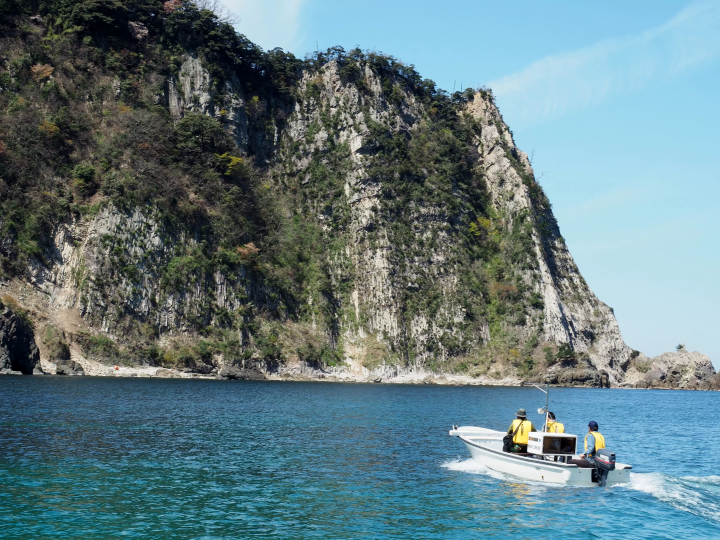
This is a "sea sightseeing cruise" that takes you around the scenic Kasumi coast in a small boat. The captain, who is usually a fisherman, will guide you carefully in a small, maneuverable boat.

You can enjoy the mysteries of nature in a spectacular way, such as going through sea caves in a small boat or seeing strange rock formations created by solidified lava up close.

This beautiful sculpture, resembling a human profile, is also a creation of nature. This island, known as "Hawk's Nest Island," got its name because, in the past, hawks built their nests on its summit.
2. KAN-ICHI

During our stay in Kasumi, we made a point of visiting the particularly popular restaurant "KAN-ICHI." Sitting there and gazing out at the Nihon Sea, you feel as if you've escaped to a peaceful island resort.

The restaurant features large floor-to-ceiling windows, offering stunning ocean views from inside.
However, the restaurant's appeal isn't limited to its stunning ocean views. We also enjoyed some fantastic seafood!


The seafood rice bowl, made with an abundance of fish caught in Kasumi, is surprisingly fresh. And there's a reason for that.

The owner of this restaurant holds a "fish wholesaler" license, which allows him to purchase fish directly from auctions. He attends auctions almost every morning to select the finest ingredients.
3. Okami Park

Okami Park, situated on a hill overlooking the Nihon Sea, is a place full of stories.
Okami Park was originally an island called Ichikishima. As sediment carried by the river flow accumulated at the river mouth, the land gradually expanded and became connected to the island. During the Edo period, it was used as a place for sailors to wait for favorable weather conditions.

This place has long been a popular photo spot. This photo is from around 1962, and at that time, not only families but also many honeymooners visited this place to exchange vows.

If you visit Okami Park, one place you absolutely must stop by is the cafe "Okami Old House Cafe." You can enjoy the owner's carefully crafted drink menu while gazing at the sea. According to the friendly owner, they also hold events such as exhibitions and concerts from time to time.

The sunset over the Sea of Nihon Sea, as seen from Okami Park, became an unforgettable scene from this trip.
Okami Park
Kasumi's Delicious Food & Must Eats
Surrounded by lush green mountains and the Nihon Sea, Kasumi boasts an abundance of delicious local produce and seafood. This time, we'd like to introduce some of our favorite culinary delights.
1. Matsuba crab / Kasumi crab

One of Kasumi's most famous local products is undoubtedly crab. Kasumi is one of Kansai's leading crab producing areas, and it's often the first name that comes to mind when people in the Kansai region think of crab-producing areas. Fresh crabs are landed at the port almost every day, except for a three-month fishing ban from June to August.

Nishitomo Crab Market is the most famous seafood market in Kasumi. Here you'll find a wide variety of freshly caught fish.

Live crabs are wriggling in the tank. You can eat the crabs from "Nishitomo Crab Market" at the attached restaurant "Kani Yatsushiro Renga-tei".

Located on the beach near Nishitomo Crab Market, Ramen Hakuryu's most popular dish is their crab miso tantanmen, made with Kasumi crab. The rich, flavorful soup clings to the noodles, making it an addictive dish once you try it.
2. Kasumi

Next, we introduce Kasumi pears, which are grown on gentle mountain slopes, bathed in the sea breeze from the Sea of Nihon Sea . Kasumi pears come in 10 varieties, including "Nijisseiki," "Kosui," "Shintaka," and the newly debuted "Nashi Otome," each with its own unique texture, sweetness, and juiciness.

Kasumi are grown on well-drained mountain slopes called "Nashiyama," in soil fertilized with organic fertilizer containing crab shells from red snow crabs caught in Kasumi. In April, Nashiyama is covered in pure white blossoms, as if it had snowed out of season.

The harvest season and best time to eat Kasumi vary depending on the variety. The harvest and best time to eat them is generally from early August to late November, but varieties such as "Atago" and "Shinsetsu," which are shipped after ripening, are in season from December to late February.

If you want to enjoy Kasumi in a casual setting, we recommend "COMETE rice&vegetable," a cafe run by a pear farmer in front of Kasumi Station.

Here, we sell sweets made with pears that we harvest ourselves. In particular, our rice flour chiffon cake, which incorporates Kasumi pear compote, is a Kasumi cake that focuses on ingredients from Kasumi . There is an eat-in area inside the shop, so you can enjoy it there.
Juice or dried fruit made from Kasumi would make a nice souvenir.

These rice balls, made with "Renge Rice" grown with the water of a beautiful, clear stream and organic fertilizer, are a safe and reliable local food that is produced and consumed locally. They are perfect for eating on the train.
3. Mikata Dainagon

The mountainous region of Kami Town , where Kasumi is Kasumi , experiences significant temperature fluctuations between day and night. Mikata Dainagon azuki beans grown in this environment contain more sugars (sweetness) and glutamic acid (umami) than typical azuki beans. Furthermore, the deep, vibrant azuki color of Mikata Dainagon azuki beans is evidence of their high content of polyphenols, which are considered beneficial to health.

We visited "aoite.azuki.base," a small cafe where you can fully enjoy Mikata Dainagon.

This shop is famous for its delicious bean paste made from 100% Mikata Dainagon red beans. The shop's pride lies in its involvement in every aspect of the Mikata Dainagon red bean production, from cultivation to supply. The shop is also filled with antique Japanese items, each one of which seemed fresh and new to us.

Mikata Dainagon is a rare variety of adzuki bean that has been cultivated since the Edo period. It is characterized by its beautiful ruby color, so much so that it is also known as "Mikata Ruby."

Because it doesn't easily fall apart when cooked, it's very suitable for Japanese sweets. The shop's signature ohagi (rice cakes) are handmade using carefully selected red beans that the owner has simmered slowly. The ohagi had a rich red bean flavor and was very delicious, reflecting the owner's dedication and kindness.
Two Perfect Locations to Learn the History of Kasumi
1. Daijoji Temple

Daijo-ji Temple is one of Kasumi's famous landmarks. All 165 sliding screen paintings by the Edo period painter Maruyama Okyo and his school are designated as important cultural properties, and the temple is also affectionately known as "Okyo-ji Temple."

It felt like I had stepped into a museum of Japanese paintings. The carvings intricately etched into the building were magnificent, making me feel as if I had traveled back in time to the Edo period.

Within the temple grounds stands a large camphor tree estimated to be 1,000 years old. Its moss-covered roots tell a story of its long history.
Daijoji Temple
2. Kami Town Geopark and Marine Culture Museum

To learn about the rich history and culture nurtured by the Sea of Nihon Sea, we recommend visiting the Geopark and the Maritime Culture Museum.

Here you can see realistic taxidermied specimens of a wide variety of creatures that inhabit the Nihon Sea. The museum also displays historical materials such as models of "Kitamae-bune" (northern route trading ships) that traveled the Nihon Sea during the Edo period, as well as anchors.
Kami Town Geopark and Marine Culture Museum
How to Access Kasumi

If you're going from Kinosaki to Kasumi, first take the JR San'in Main Line from Kinosaki Station to Kasumi Station. The journey takes about 30 minutes and costs 420 yen one way.

A convenient way to get around is by renting a bicycle from the Kasumi Tourism Association in Kami Town . You'll see a dark-colored building to your right when you exit the station.

Regular bicycles can be rented for 500 yen per day, and electric-assist bicycles for 800 yen per day (must be returned by 17:00).
Enjoy the Relaxing Getaway in Kasumi
Kasumi is full of attractions: breathtaking scenery, exquisite local cuisine, fascinating history, picturesque rural landscapes, and warm, friendly people.
If you're traveling in the Kansai region, I highly recommend visiting Kasumi. If you're in Kinosaki Onsen, it would be a shame to miss out on Kasumi.
The time we spent in Kasumi was unforgettable! If you have the chance, please visit the west and experience the warmth, beauty, and uniqueness of Kasumi for yourself.






![[Tokyo, Shinjuku] Buy Matcha Here! 2 Long-established Japanese Tea Shops Where You Can Get the Authentic Taste!](https://resources.matcha-jp.com/resize/720x2000/2025/09/24-245090.webp)

![[2027] 7 Recommended Tourist Spots in the Fuji Five Lakes Area at the Foot of Mount Fuji in Winter | Skiing, Hot Springs, and Scenic Views](https://resources.matcha-jp.com/resize/720x2000/2023/10/12-148419.webp)