
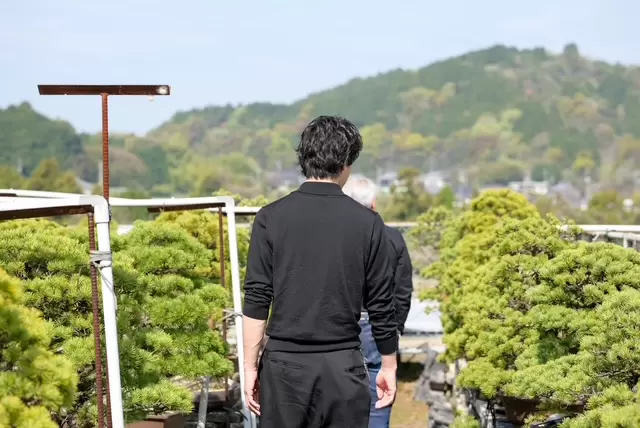
Hakone Retreat före & villa 1/f, nestled in the forests of Hakone , Hakone, is now offering a special accommodation plan that combines seasonal bonsai with your stay. This tranquil retreat, created in collaboration with bonsai artist Saiki Saeki, offers a chance to experience Japanese culture and nature.

Written by
Hotel Management Japan Co., Ltd. is a hotel management company that operates 24 hotels in Japan (total number of rooms: 7,601). In addition to its own brands, "Oriental Hotel" and "Hotel Oriental Express," the company also manages and operates a variety of hotels, including "Hilton," "Sheraton," and "Hotel Nikko."
-
Table of Contents
- What Is Bonsai? A Japanese Art That Brings Nature into a Small Pot
- A Stay Created in Collaboration with Bonsai Artist Saiki Saeki
- A Hakone Retreat with Forests, Hot Springs, and Fine Dining
- How to Access Hakone Retreat före & villa 1/f
- Experience Japanese Culture in Peaceful Hakone
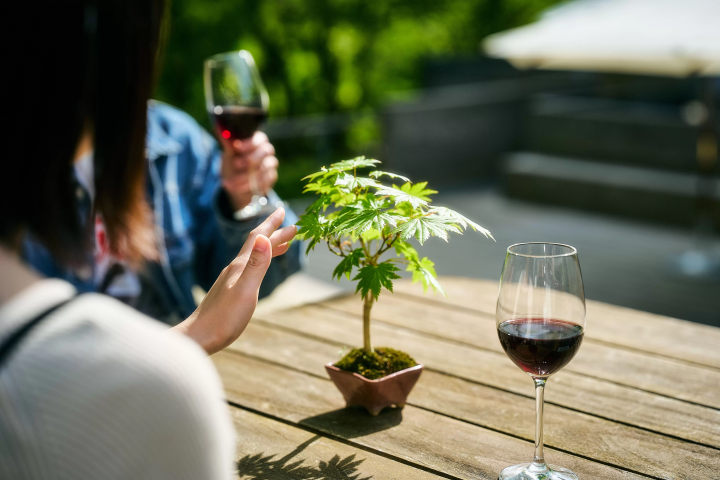
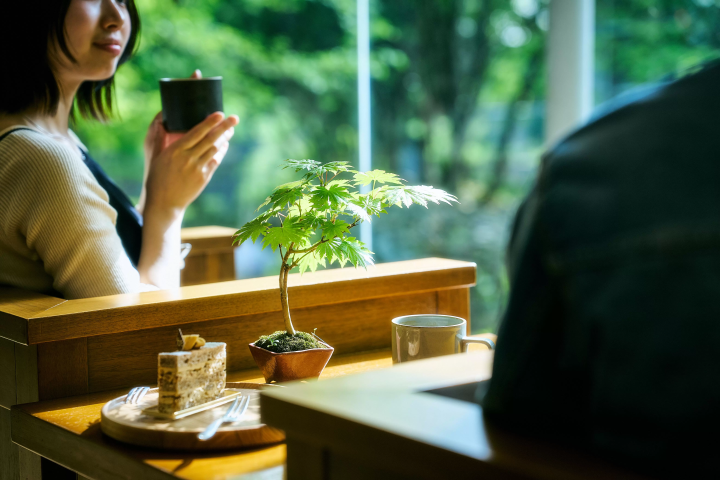
Nestled in the forests of Hakone, Hakone, " Hakone Retreat före & villa 1/f " offers a lodging plan called "A Relaxing Holiday with a Single Pot of Greenery," which allows guests to stay surrounded by seasonal bonsai trees.
This plan offers a unique accommodation experience where you enjoy bonsai trees not just by looking at them, but as companions that share your travel time. A bonsai tree, which you'll be greeted with upon check-in, will accompany you during relaxation in your room, mealtimes, and quiet moments overlooking the forest. Another appealing aspect is that you can continue to care for it at home after your stay, bringing memories of your time in Hakone back into your daily life.
What Is Bonsai? A Japanese Art That Brings Nature into a Small Pot
Bonsai is a traditional Japanese art form in which trees are grown in small pots, and natural landscapes are expressed through the trunk, branches, leaves, moss, and stones. It is characterized not only by the decoration of plants, but also by the enjoyment of the changing seasons and the passage of time.
While known as "Bonsai" overseas, in Japan it is cherished not only for its aesthetic appeal but also as a cultural practice of caring for and nurturing it over a long period of time.
A Stay Created in Collaboration with Bonsai Artist Saiki Saeki
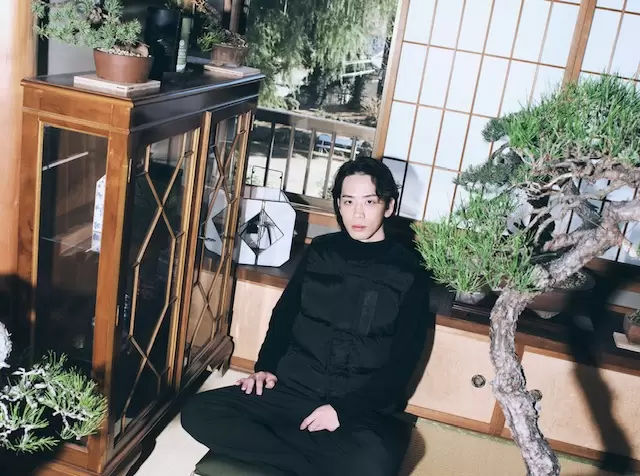
This accommodation plan is being made in collaboration with bonsai artist Saiki Saeki. Mr. Saiki focuses on the creation, exhibition, and sale of bonsai trees, and also incorporates bonsai into the design and planning of spaces in residences, commercial spaces, and accommodation facilities.
Saiki's bonsai creation is characterized by his emphasis on not over-crafting, and his valuing a state where human intention and the flow of nature coexist. He leaves "blank space" where the appearance changes depending on the time and environment, viewing bonsai not merely as objects to be admired, but as beings with which we spend time and accumulate memories.
A Hakone Retreat with Forests, Hot Springs, and Fine Dining
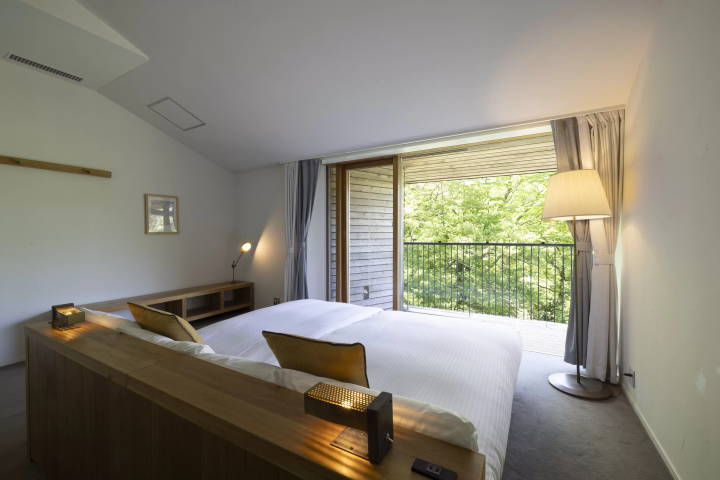
Hakone Retreat före & villa 1/f is a resort hotel surrounded by the natural beauty of Hakone in Hakone. It offers both the modern hotel-type "före" and the independent villa-type "villa 1/f," allowing you to choose the style of stay that suits you best.
The hotel features " WOODSIDE dining ," where you can enjoy wood-fired cooking, " Tawaraishi ," a Japanese restaurant, a cafe and lounge, hot springs, and a spa. You can slowly savor a stay unique to Hakone through the tranquility of the forest, seasonal meals, and relaxation in the hot springs.
How to Access Hakone Retreat före & villa 1/f
Hakone Retreat före & villa 1/f is located in Sengokuhara , Hakone Town, Kanagawa Prefecture . If using public transportation, the most convenient route is to take the Odakyu Romancecar from Shinjuku Station to Hakone Yumoto Station and then transfer to the Hakone Tozan Bus. The nearest bus stop, "Tawaraishi Glass Forest," is about a 5-minute walk away.
From Tokyo Station, you can take the Shinkansen to Odawara Station and then use the Hakone Tozan Bus. If you're traveling by car, you can access the station from either the Gotemba Interchange or the Odawara Nishi Interchange.
Experience Japanese Culture in Peaceful Hakone
Hakone is a popular tourist destination where you can enjoy hot springs, art museums, and nature walks. Within this setting, a lodging experience surrounded by bonsai trees offers a quiet and personal encounter with Japanese culture, quite different from a typical sightseeing trip.
A time to contemplate a single pot of greenery while listening to the sounds of the forest. By bringing a bonsai tree encountered on a trip back into everyday life, the memories of Hakone continue into life afterward.
*The information presented is current as of the time of publication.





![[Tokyo, Shinjuku] Buy Matcha Here! 2 Long-established Japanese Tea Shops Where You Can Get the Authentic Taste!](https://resources.matcha-jp.com/resize/720x2000/2025/09/24-245090.webp)


![[Kyoto Prefecture ] Let's go see Fukuchiyama Castle, the symbol of Fukuchiyama City | Highlights and seasonal events](https://resources.matcha-jp.com/resize/720x2000/2026/02/12-258435.webp)
![[Gozaisho Ropeway] Gourmet Guide](https://resources.matcha-jp.com/resize/720x2000/2025/12/03-251960.webp)
![[October/November 2026, near Tokyo Station] An event where you can buy popular souvenirs from all over Japan!](https://resources.matcha-jp.com/resize/720x2000/2026/10/14-272472.webp)