

The Kawasaki Sanno Festival is the most exciting and lively event of the year in the Kawasaki Station area. Held in June, this festival is the celebration of Inage Shrine, an ancient local shrine. Portable shrines are paraded through the town, the shrine grounds are filled with ancient kagura dances, taiko drumming performances, entertainment, and food stalls, and the festival reaches its climax with a parade on the final night.

Written by
Hello! This is the Kawasaki City Tourism Association. We will introduce the charms of Kawasaki City, Kanagawa Prefecture, that will make you want to visit the city. ◆About Kawasaki City◆ Kawasaki City is a popular commuter town with 1.54 million people, located in Kanagawa Prefecture next to Tokyo, 15 minutes from Haneda Airport, a few minutes from Tokyo's major stations, and close to Yokohama, Kamakura, and Hakone. It is a big city close to Tokyo and Yokohama, but only known to those in the know, with shopping centers where Japan's main shops are gathered together and downtown areas where locals gather, allowing you to experience the real urban life of Japan. It is famous for its factory night view born from the industrial area that supported Japan's high economic growth, but it also flourished as one of the "Tokaido Fifty-three Stations", a post town on the "Tokaido", the main artery from Tokyo to Kyoto that was developed by the shogun who founded the Edo Shogunate, and is home to Kawasaki Daishi, which is visited by one of the largest worshippers in Japan on New Year's visits, and the Japanese Folk House Museum, which has 25 old houses designated as cultural properties. The museum of the popular anime "Doraemon" is also popular. Here are some popular tourist spots and events. ◇Kawasaki City Factory Night View This industrial area supported Japan's high economic growth period. At night, the factories that operate 24 hours a day turn on their work lights in the plants and transform into a fantastical world studded with jewels. You can experience this "factory night view" on a bus tour or a houseboat cruise tour. ◇Ikuta Green Space Although it is located in a city just a few minutes from Tokyo, it has a spectacular natural environment including rows of metasequoia trees. At the Japanese Folk House Garden, you can experience 25 old houses designated as cultural properties, and you can experience indigo dyeing, which has been traditionally practiced in this area, and there is also an art museum of Taro Okamoto, a popular avant-garde artist. You can also enjoy cherry blossoms in the spring. ◇Fujiko F. Fujio Museum, Kawasaki The museum displays original drawings by Fujiko F. Fujio, the manga artist who created Doraemon, a manga beloved around the world, especially in Asia, as well as the desk that Fujiko F. Fujio actually used. In addition, life-size items are installed, and you can actually eat the food that appears in the work, so you can enter the world of the work. ◇Kawasaki Sanno Festival The largest festival in the Kawasaki area, held every August at Inage Shrine, is a highlight of the festival, with a large portable shrine procession. ◇Kanamara Festival A festival at Kanayama Shrine held on the first Sunday of April. A portable shrine shaped like a penis is carried out, and it is famous for granting fertility and finding love, and many foreign tourists visit.
-
Table of Contents
- What is Inage Shrine?
- Kawasaki Sanno Festival
- Precinct
- access
What is Inage Shrine?
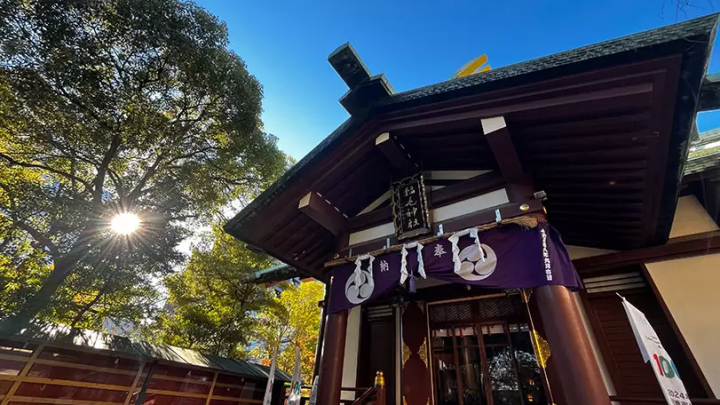
The exact date of the shrine's founding is unknown, but the fact that its sacred ginkgo tree is estimated to be 1,000 years old indicates that it is an ancient shrine in the area.
It is said that the shrine was built during a time of constant conflict to enshrine Takemikazuchi-no-kami, who is considered a god of war, and to pray for the emperor's victory in battle and for his cooperation in later mythology.
Kawasaki Sanno Festival
The Kawasaki Sanno Festival is the largest festival at Inage Shrine, a celebration in which gratitude is given to the gods for daily blessings and prayers are offered for the health of parishioners and worshippers, the development of the region, the prosperity of the nation, and world peace. In 2026, the Shinto rituals and festive events were held from June 14th to 21st. During the festival, portable shrines from the town parade through the streets, and on the final day, two portable shrines, one for a man and one for a woman, called "Kujaku" and the other for a woman, parade through the streets, becoming one with the local people. This festival, which represents the marriage and birth of the gods, is also a yearning for new vitality that the town can create through harmony between local and foreign elements.
June 14th: Eve of the Festival
The eve of the festival (Saigū Festival) was held in the evening. This ceremony is a ritual in which we report our intention to serve before the gods and pray for the safety and success of the festival.
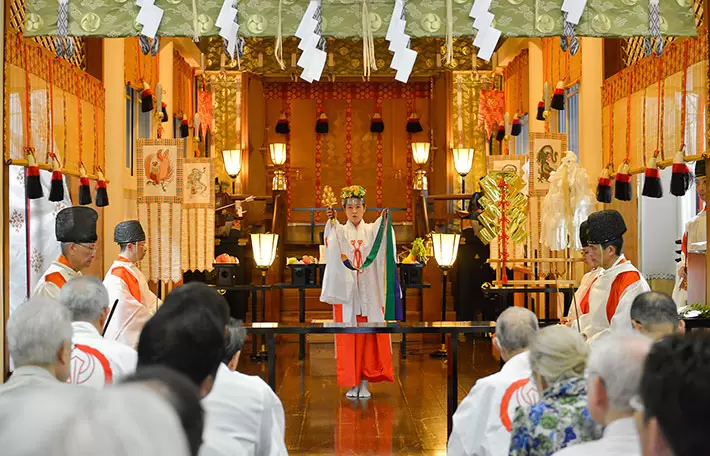
June 15th: Sanno Festival and Ancient Shrine Ceremony
In the morning, the Sanno Festival is held in a solemn atmosphere. In the afternoon, the "Ancient Shrine Ceremony," which is not open to the public, is held secretly and solemnly by the Shinto priest and the heads of old families of the parishioners. During this ceremony, the divine bodies of the goddess are transferred to the Tama Mikoshi (jeweled portable shrine) and the god to the Kujaku Mikoshi (peacock portable shrine). There is an ancient tradition in how these bodies are transferred, which represents the marriage of the gods. This festival is a valuable secret ceremony that conveys ancient folk customs and traditions, and has been designated as a Kanagawa Prefecture Designated Folk Cultural Property.
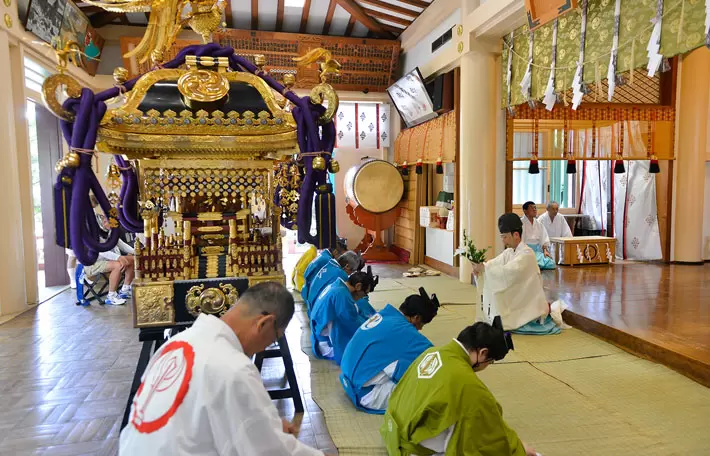
June 19th: Dedicatory Performances
From this day forward, stalls will be set up along the temple grounds and approach, and in the evening, various performances such as singing and dancing will be held at the Kagura Hall by parishioners and local residents.
June 21st: Shinkosai Festival (Procession of the large portable shrine of the shrine)
Two portable shrines, the Peacock Shrine and the Jewel Shrine, representing a man and a woman, set out on a procession through the streets of Kawasaki, a journey that takes place over the course of a day. Hidden within this procession is a story of the marriage of the gods, their conception, and the birth of their child. The bearers, clad in happi coats, shout chants as they pass through the city, and the crowds become one, creating a vibrant and exciting atmosphere throughout the town.
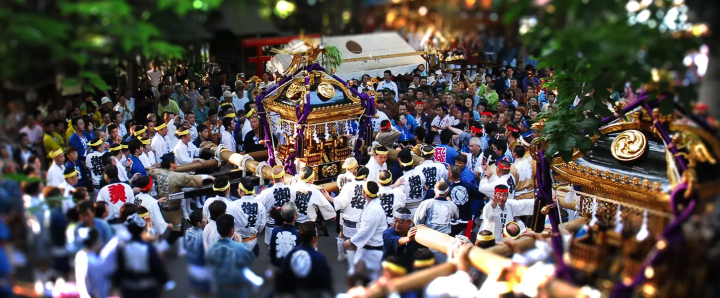
In the evening, the "Sanno Festival" parade takes place. Following the parade, a procession enters the shrine grounds, and the two portable shrines return to the shrine. Shortly after 8 p.m., they are welcomed by a large crowd of parishioners and placed in the shrine's main hall.
Precinct
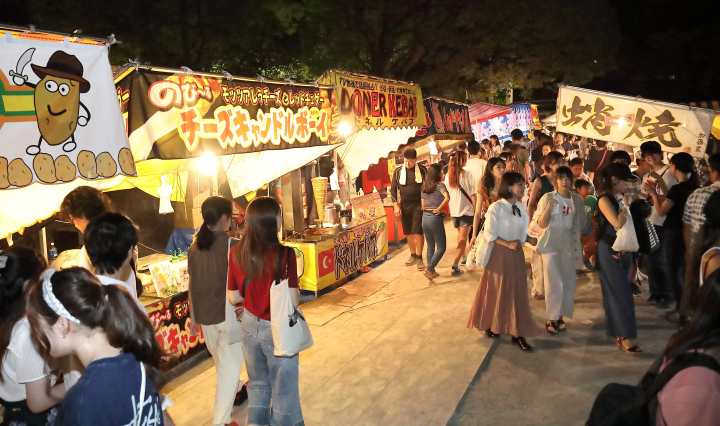
The temple grounds are lined with numerous stalls, creating a lively atmosphere, and the Kagura Hall is filled with splendid Kagura performances and other devotional entertainment, adding to the festive ambiance.
access
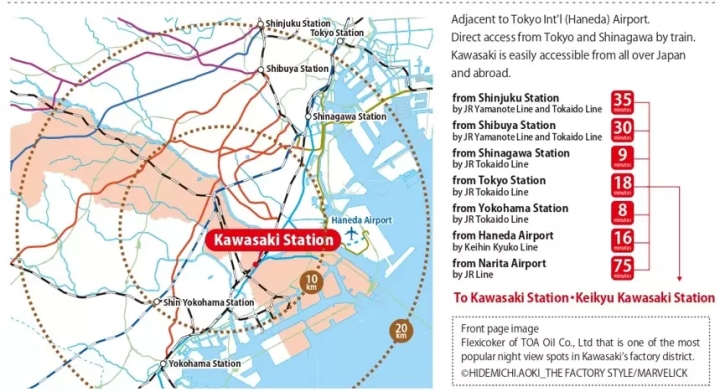
Approximately 10 minutes on foot from JR Kawasaki Station, and approximately 6 minutes on foot from Keikyu Kawasaki Station.






![[Tokyo, Shinjuku] Buy Matcha Here! 2 Long-established Japanese Tea Shops Where You Can Get the Authentic Taste!](https://resources.matcha-jp.com/resize/720x2000/2025/09/24-245090.webp)



![[Kyoto Prefecture ] Let's go see Fukuchiyama Castle, the symbol of Fukuchiyama City | Highlights and seasonal events](https://resources.matcha-jp.com/resize/720x2000/2026/02/12-258435.webp)
![[Gozaisho Ropeway] Gourmet Guide](https://resources.matcha-jp.com/resize/720x2000/2025/12/03-251960.webp)