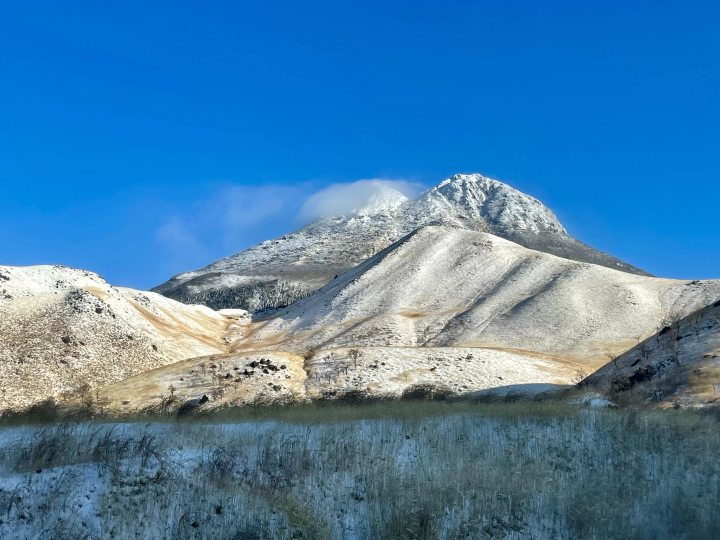
A safe autumn/winter driving guide for the mountain roads around Yufuin. It clearly explains the importance of keeping to the left, the necessity of winter tires, and countermeasures for dense fog, icy roads, deer crossings, and uncovered ditches. A must-read collection of safety tips for city drivers and foreign visitors tourists visiting by rental car.

Written by
Discover Yufu, a beautiful city nestled at the foot of Mount Yufu. The Yufu City Tourism Bureau is delighted to share the best-kept secrets of our homeland. Beyond the world-renowned hot springs of Yufuin, discover the nostalgic charm of Yunohira Onsen and the breathtaking, wide-open landscapes of the Tsukahara Plateau. Immerse yourself in the mystical wonders of nature at Yufu River Gorge and the pristine Oike Springs. From handpicked accommodations and local culinary delights to unforgettable outdoor experiences, we bring you the very best of Yufu, curated with local love. Start your journey at the Yufu City Tourist Information Center, located right next to JR Yufuin Station. We look forward to making your visit truly unforgettable.
Oita Prefecture is a popular area for driving, offering hot spring resorts such as Yufuin and Beppu, as well as scenic routes like the Yamanami Highway and the Kuju Mountain Range. However, for drivers accustomed to driving only in well-lit urban areas and on well-maintained roads, driving on Oita's mountain roads and rural roads can present unexpected dangers.
We've compiled a list of tips to help you enjoy a safe and comfortable drive, taking into account road conditions unique to each region and potential seasonal pitfalls.
-
Table of Contents
- 1. Keep Left — Don’t Stay in the Right Lane
- 2. Watch for Mountain Fog — Safe Driving on Rainy Days
- 3. Watch for Icy Roads — Don’t Forget Your Winter Tires
- 4. Watch Out for Gutters — Don’t Drive Too Close to the Edge
- 5. Safe Parking Habits for Taking Photos and Videos
- 6. It Gets Dark Early — Plan to Arrive Before Sunset
- 7. Watch Out for Wildlife — Avoid Animal Collisions
- 8. Uncomfortable Driving? Take a Break at a Safe Spot
- Before You Drive: Essential Pre-Departure Checklist
1. Keep Left — Don’t Stay in the Right Lane
In Japan, the general rule for road traffic is to drive in the leftmost lane on roads with multiple lanes. If you are visiting from overseas, traffic directions and rules may differ from those in your country of residence, so please keep this basic rule in mind.
Right Lane is for Passing Only
On roads with two or more lanes in one direction, the right lane is the "passing lane" for overtaking other vehicles. If you want to drive slowly at your own pace on an unfamiliar road, always stay in the leftmost lane.
Drive Left: The Right Lane is Not for Cruising
Driving in the right lane for too long can lead to other vehicles catching up, causing anxiety and problems. It is good manners and a rule to return to the left lane promptly after overtaking.
2. Watch for Mountain Fog — Safe Driving on Rainy Days
In mountainous areas such as around Yufuin and along the Yamanami Highway, heavy fog (gas) frequently occurs when it rains.
Sudden Heavy Fog! Watch Out for Zero Visibility
Once you're enveloped in dense fog, visibility can become so poor that you can only see a few meters ahead or the car directly in front of you. Sometimes the fog can be so thick that you can't even see the center line, so slow down and drive carefully.
Don’t Push It: Wait in a Safe Place
Driving on mountain roads with obscured visibility significantly increases the risk of lane departure and rear-end collisions. If you feel even slightly uneasy or unsure about driving in fog, it's important not to force your way through. Instead, pull over to a nearby rest stop, parking area, or wide pull-off area and wait safely until the fog clears.
3. Watch for Icy Roads — Don’t Forget Your Winter Tires
If you are traveling to mountainous areas such as Yufuin or Kuju between December and March, it is recommended to use winter tires (studded tires).
The Danger of Hidden Ice: Watch Out for Black Ice
It's dangerous to let your guard down just because it's not snowing. Areas where water seeps from the mountains or shaded areas are prone to localized freezing of the road surface, which is a major cause of slip accidents. When the road is frozen, braking becomes less effective, so if you don't maintain a sufficient distance between your vehicle and the one in front of you, there is a risk of the car in front of you slipping and crashing into you, which is extremely dangerous.
Don’t Forget to Prepare Winter Tires
If you plan to drive through mountainous areas between December and March, be sure to switch your own car to winter tires or specify "studded tires" when booking a rental car. Depending on the amount of snow and ice, "winter tire regulations" may be implemented, and you may not be able to drive on certain sections of highways and other roads with normal tires.
4. Watch Out for Gutters — Don’t Drive Too Close to the Edge
On country roads, mountainous areas, and older, traditional roads, you'll often find drainage ditches at the edge of the road that lack covers. Furthermore, from autumn to winter, these ditches can become difficult to see due to accumulated fallen leaves, so extra caution is needed, especially when approaching the roadside.
Watch Out on Narrow Roads: Pass Other Vehicles Safely
When passing oncoming traffic, if you veer too far to the left, the tires can fall into the gutter (come off), and the vehicle becomes unable to move. This is especially true for rental cars, as drivers are not used to the different width of the vehicle and may veer too far to the edge of the road, so caution is necessary.
Stranded on Mountain Roads: Avoid Secondary Risks
If your car gets stuck on a mountain road, you might have to wait for hours for a tow truck to arrive. Also, if your car gets stuck on a narrow road, it will block other vehicles from passing, causing a great deal of inconvenience to those around you.
When in Doubt, Don’t Push Forward: Stay Calm and Play It Safe
Do not attempt to drive on narrow roads where it seems difficult to pass oncoming vehicles. It is important to calmly assess your driving skills and the width of the road and make careful decisions, such as parking your car in a wide parking space or a safe place and walking to your destination.
5. Safe Parking Habits for Taking Photos and Videos
The Yamanami Highway, which runs from Yufuin to Aso, has many scenic spots that will make you want to stop your car and take pictures. However, because there are few traffic lights, cars often travel at unexpectedly high speeds in this area. Stopping with the same mindset as in an urban area can lead to a serious rear-end collision.
Park Fully Off the Road: Avoid Blocking Traffic
When stopping your car for photos and videos, always find a wide shoulder or parking space where your vehicle does not extend completely off the road. Even having part of your car remaining in the driving lane is extremely dangerous for following vehicles traveling at speed.
Avoid Sudden Braking: Always Signal Before Turning
If you get distracted by the scenery and suddenly slam on the brakes, or turn without using your turn signal, a following vehicle traveling at speed may not have enough time to brake, resulting in a violent rear-end collision. When turning or stopping, be sure to use your turn signal well in advance to clearly communicate your intentions to those around you.
6. It Gets Dark Early — Plan to Arrive Before Sunset
From autumn to winter (around October to February), the sun sets very early. In particular, in the mountainous areas around Yufuin, it gets dark very quickly, between 4:30 PM and 5:00 PM.
Avoid Mountain Driving If You Aren’t Confident
Driving on mountain roads, where visibility is much worse than in urban areas, after sunset is extremely risky. This is especially true for those accustomed to the bright urban environment where roads are illuminated by streetlights and store lights even at night. Mountain roads and rural roads rarely have streetlights.
Head to Your Next Destination Early
Please allow ample time for travel to ensure you arrive at your destination or accommodation before sunset. Especially when driving on mountain roads, plan your schedule to complete these tasks in the morning or early afternoon.
7. Watch Out for Wildlife — Avoid Animal Collisions
In the mountainous areas around Yufuin, wild deer frequently appear on roads and roadsides from evening to night. The mountain road connecting Beppu and Yufuin is a particularly frequent area for accidents involving deer, so please be extra careful when driving after dark.
Spotted a Deer? Slow Down and Keep Your Distance
If you spot a deer grazing on the shoulder or edge of the road, do not get too close and immediately slow down. There is a risk of the deer suddenly jumping into the road or colliding with it if you are driving too close to the edge.
Preventing Stranded Vehicles: Risks to Watch Out For
Collisions with deer can cause severe damage to a vehicle, sometimes rendering it immobile. To avoid getting stranded in mountainous areas where cell phone signals are weak, please be sure to drive at a safe distance from the edge of the road.
8. Uncomfortable Driving? Take a Break at a Safe Spot
If you feel fear or anxiety while driving due to unfamiliar sharp curves or pressure from following vehicles, do not force yourself to continue driving. Panic can lead to serious driving errors.
Stay Rested, Drive Safe: Take Regular Rest Stops
If you spot a wide shoulder, observation area, rest stop, or parking lot with public restrooms along a mountain road, don't hesitate to signal your turn and pull over early. Taking frequent breaks by getting out of your car is the best way to prevent accidents.
Let Faster Traffic Pass: Create Peace of Mind
Take a deep breath and a break in a safe place to regain your composure before setting off again. Letting the cars behind you pass will relieve some of the pressure and give you much more peace of mind while driving.
Before You Drive: Essential Pre-Departure Checklist
- Check the weather forecast (check for rain, fog, and snowfall information in mountainous areas)
- Check that winter tires (studded tires) are installed (for driving in mountainous areas from December to March)
- Check the sunset time at your destination (plan your itinerary with ample time).
- Check the operation of the headlights and fog lights (farm fog lights).
- Check the location of the turn signals and hazard lights.
- Saving emergency contact numbers (roadside assistance, police "110", fire/ambulance "119")
Please follow Japan's traffic rules and etiquette to enjoy a safe and secure drive!