Ataka-no-Seki Ataka Barrier in Komatsu City, Ishikawa Prefecture, is famous as the setting of the kabuki play Kanjincho. Legends of Minamoto no Yoshitsune and Musashibo Benkei can also be found elsewhere in Ishikawa. Explore the history and culture associated with these stories in Komatsu, Kaga, Hakusan, and Nonoichi.

-
Table of Contents
- 1 | Minamoto no Yoshitsune and Benkei: The Story of the Kabuki Play "Kanjincho"
- 2 | Komatsu City| Explore the Setting of Kanjincho and Stay in a Historic Port Town
- Ataka-no-Seki Barrier Site — Where Yoshitsune, Benkei, and Togashi Confronted One Another
- Ataka Sumiyoshi Shrine – A shrine where people pray for overcoming difficulties.
- Kanjincho Story Museum – Experience the World of Kabuki
- ATAKA TERRACE – Dining and Shopping with Views of the Sea of Japan
- Ataka no Yado Oki - Stay at a traditional Japanese inn in a historic port town
- 3 | Kaga City| The Tragic Legend of Ama-gozen at the Cape
- 4 | Hakusan City| To the shrine where Yoshitsune is said to have offered prayers
- Shirayama Hime Shrine — A Sacred Center of Mount Hakusan Worship
- 5 | Nonoichi City| Benkei Legends and the History of the Togashi Clan
- Nunoichi Shrine — The Stone Associated with Benkei’s Strength
- Nonoichi City Local History Museum NoNo — Discover Local History of Togashi clan of "Kanjincho"
- Kita Family Residence — A Historic Merchant House on the Old Hokkoku Kaidō
- Fugakudō — Kanjincho-Inspired Japanese Sweets
- 6 | Getting to the Historic Sites in Ishikawa
1 | Minamoto no Yoshitsune and Benkei: The Story of the Kabuki Play "Kanjincho"
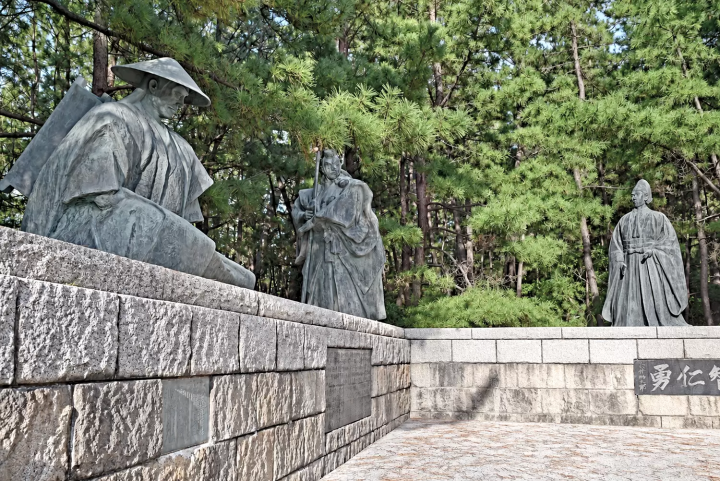
Seki no Seki in Ishikawa Prefecture Komatsu City , facing the Nihon Sea , stands amidst a pine forest are bronze statues of Minamoto no Yoshitsune, Musashibo Benkei, and Togashi no Saemon. These three are characters from "Kanjincho," a masterpiece of traditional Japanese Kabuki theater.
More than 800 years ago, Yoshitsune fled north after falling out with his elder brother, Minamoto no Yoritomo. In the story, his loyal retainer Benkei devises a way to protect him at a heavily guarded checkpoint, while Togashi, the guard in charge, is moved by Benkei’s devotion.
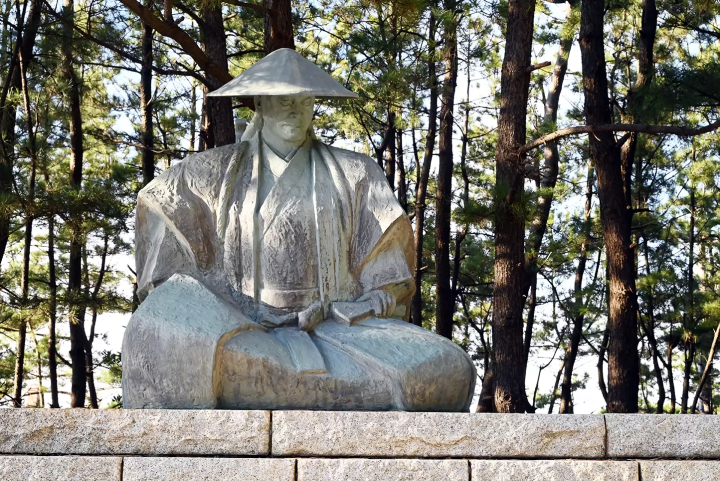
Minamoto no Yoshitsune was a Japanese samurai who was active in the late 12th century. He achieved great success in battles against the Taira clan, alongside his older brother, Minamoto no Yoritomo. However, after the battles, his relationship with Yoritomo deteriorated, partly due to his acceptance of an official court rank without his brother's permission. Political conflicts also arose, and eventually, Yoshitsune was forced to flee from his brother.
According to tradition, Yoshitsune and his retainers fled toward Ōshū (in present-day Tōhoku), where Yoshitsune had previously found refuge. Among his most famous loyal retainers was Musashibō Benkei, a warrior monk remembered in legend for his extraordinary strength.
One of the best-known dramatic works inspired by their flight is the kabuki play Kanjincho, set at the Ataka Barrier in present-day Komatsu. Disguised as yamabushi (mountain ascetics), Yoshitsune and his companions attempt to pass the checkpoint. Suspicious, the guard Togashi demands to see their kanjincho, a subscription scroll used to solicit donations for rebuilding a temple.
Benkei boldly produces a blank scroll and recites from it as though it were a genuine fundraising document. When Togashi remains suspicious, Benkei strikes Yoshitsune, who is disguised as a lowly porter, to conceal his identity.
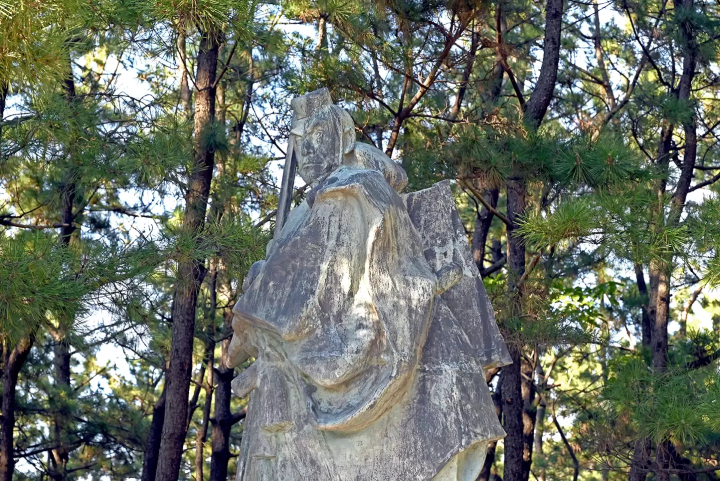
To protect his master, Benkei deliberately struck him. Seeing Benkei's agonizing actions, Togashi understood his true nature and deep loyalty, and decided to let Yoshitsune and his group go. This story, depicting wisdom, courage, loyalty, and compassion for others, remains one of the most popular Kabuki plays to this day.
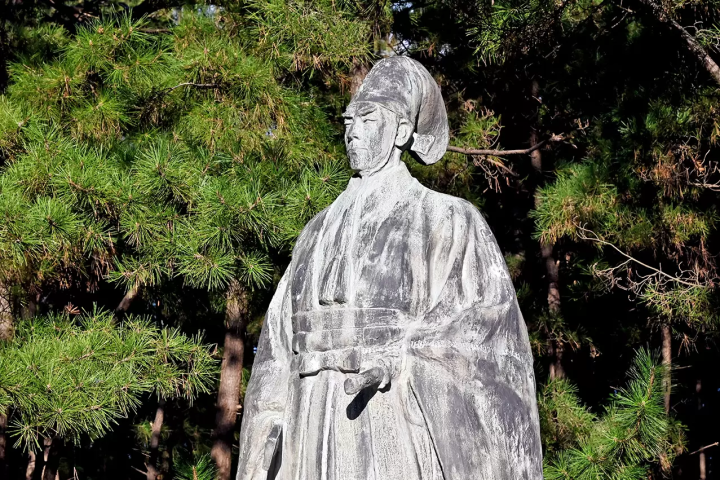
It should be noted that "Kanjincho" is based on the Noh play "Ataka," and not all of the events depicted have been confirmed as historical fact, but there are local legends and traditions related to the play.
2 | Komatsu City| Explore the Setting of Kanjincho and Stay in a Historic Port Town
Ataka, located in Komatsu City in Nanbu Ishikawa Prefecture , is a port town facing the Nihon Sea. It has flourished since ancient times as an important point for maritime traffic and is known as the setting for the Kabuki play "Kanjincho." Today, in addition to the remains of the checkpoint, there is a museum where you can experience the world of "Kanjincho," as well as facilities where you can enjoy a meal while overlooking the sea, making it an area where you can enjoy both historical walks and sightseeing.
Ataka-no-Seki Barrier Site — Where Yoshitsune, Benkei, and Togashi Confronted One Another
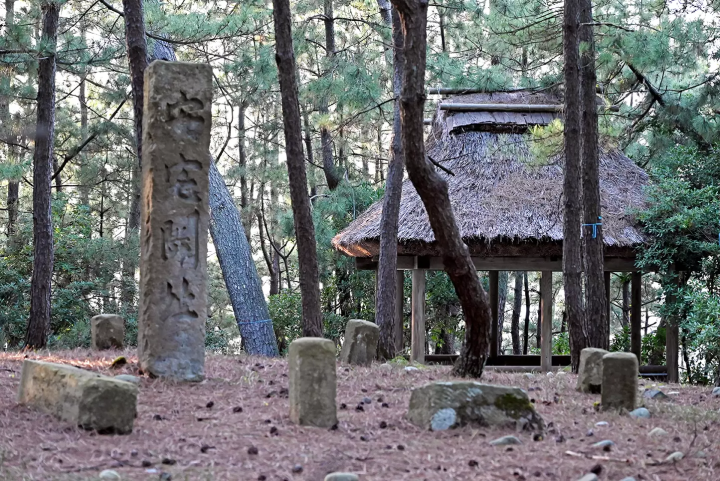
The current Ataka-no-Seki is a quiet historical park surrounded by pine trees. Although the barrier buildings no longer exist, there is a stone monument marking the Ataka-no-Seki Barrier and bronze statues of Yoshitsune, Benkei, and Togashi, allowing visitors to stroll around and imagine the world of the story.
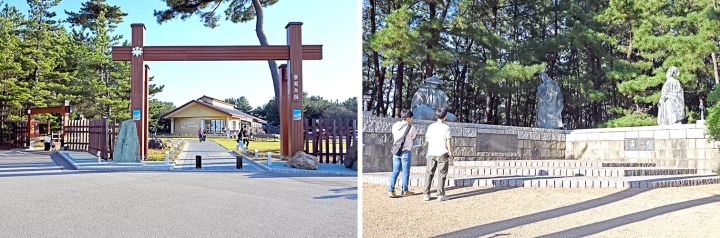
Ataka-no-Seki, Ataka-cho , Komatsu City , Ishikawa Prefecture. TEL 0761-24-8076 ( Komatsu City Tourism and Culture Division)
Ataka Sumiyoshi Shrine – A shrine where people pray for overcoming difficulties.
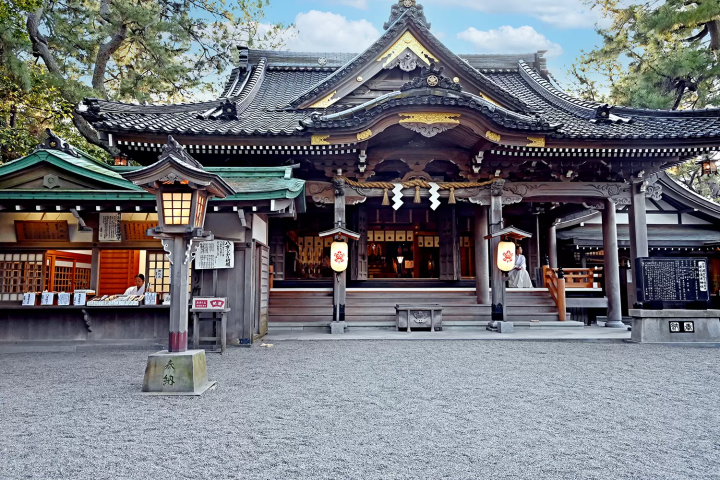
Located next to the Ataka-no-Seki Barrier, Ataka Sumiyoshi Shrine has long been revered as a shrine where people pray for safety in maritime travel. Inspired by the legend of Yoshitsune and his party safely passing through the barrier, it is now also known as a shrine that grants blessings for overcoming difficulties. People facing important challenges such as exams or work come to pray with their wishes.
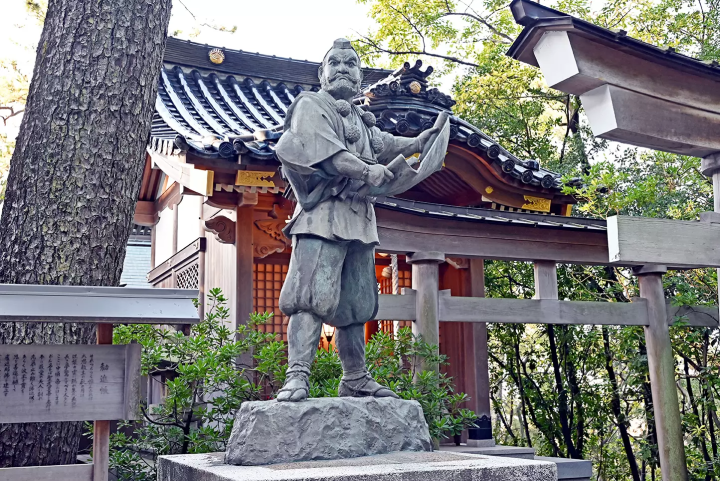
Ataka Sumiyoshi Shrine, 17 Ta, Ataka-cho , Komatsu City , Ishikawa Prefecture TEL 0761-22-8896 [Opening Hours] 8:30-17:00 (Shrine Office/Gift Shop) https://ataka.or.jp
Kanjincho Story Museum – Experience the World of Kabuki
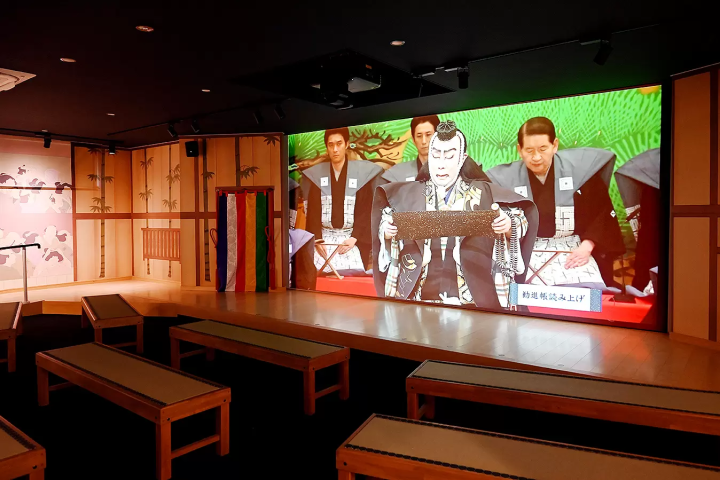
If you visit the Ataka-no-Seki Barrier , be sure to stop by the "Kanjincho Monogatarikan" (Kanjincho Story Museum) at the Ataka Barrier Komatsu Kanjincho no Sato tourist facility, which is adjacent to the barrier. You can learn about the story and characters of the Kabuki play "Kanjincho" through videos and exhibits. It is a great entry point for travelers unfamiliar with traditional Japanese performing arts to learn about the background of the story. Visiting it in conjunction with the historical site will make the scenery before you even more impressive.
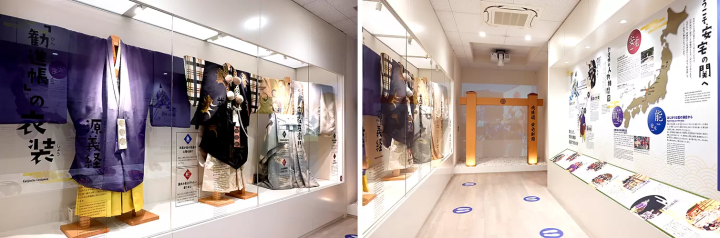
Kanjincho Monogatari Museum 140-4 Ataka-cho , Komatsu City, Ishikawa Prefecture Prefecture TEL 0761-21-6734 [Hours] 9:00-17:00 [Closed] Wednesdays (or the following day if Wednesday is a public holiday, open on the 1st of every month), New Year holidays [Admission] Free
ATAKA TERRACE – Dining and Shopping with Views of the Sea of Japan

The restaurant and shops next to the "Kanjincho Monogatari Museum" were renovated in the spring of 2026 and reopened as "ATAKA TERRACE," becoming an even better place to enjoy dining, shopping, and relaxing. After exploring the historical sites, take a break at the restaurant or cafe overlooking the Nihon Sea.
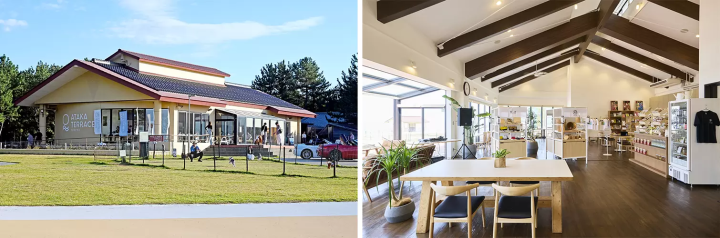
The hotel's restaurants and cafes offer dishes and sweets made with the abundant bounty of Komatsu and the Hokuriku region. We also recommend enjoying a leisurely lunch while gazing at the Nihon Sea stretching out beyond the large windows.
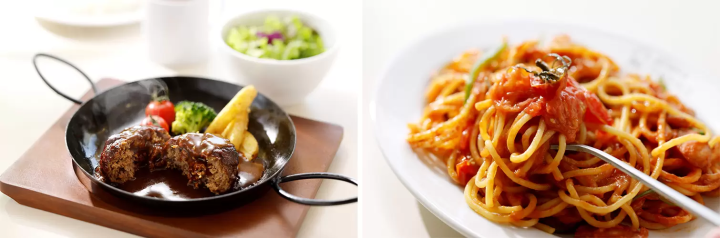
The drinks are served from a self-serve drink bar, so you can freely choose your favorite beverage and enjoy your time as you please. Hamano Pudding, which has become a new specialty sweet of Ataka, is also sold here, so you can enjoy it in the shop.
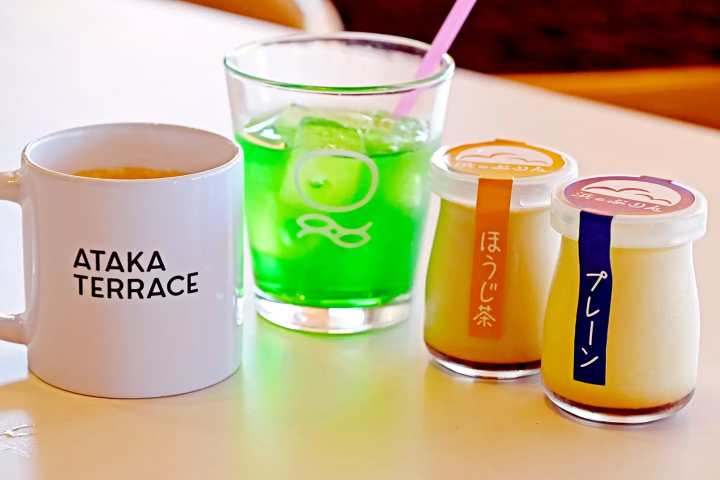
The factory shop inside the building offers a variety of food products, crafts, and everyday items that embody the passion and skill of their creators. Browse through the unique local products and find the perfect souvenir from your trip.
Additionally, on the beach in front of the facility, there is an AAA monument with three A's lined up, and it has become a popular photo spot where you can pose with it to complete the word ATAKA.
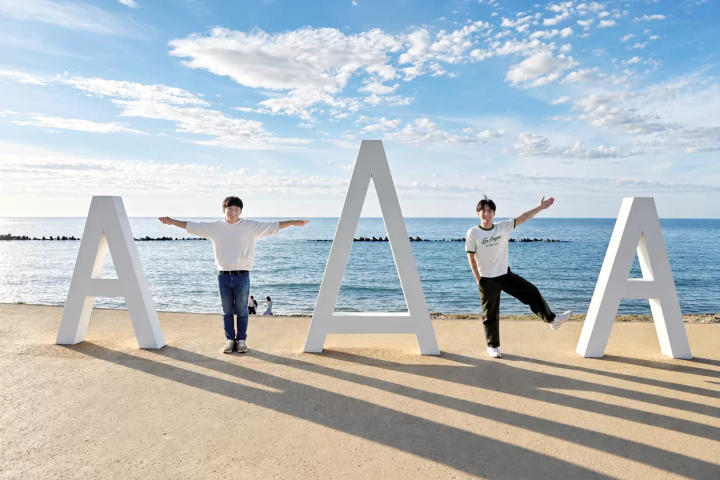
ATAKA TERRACE 140-4 Ta, Ataka-cho , Komatsu City, Ishikawa Prefecture TEL 0761-21-6734 [Hours] 9:00-17:00 [Closed] Wednesdays (If Wednesday is a public holiday, closed the following day; open on the 1st of every month), New Year holidays https://ataka-terrace.jp
Ataka no Yado Oki - Stay at a traditional Japanese inn in a historic port town
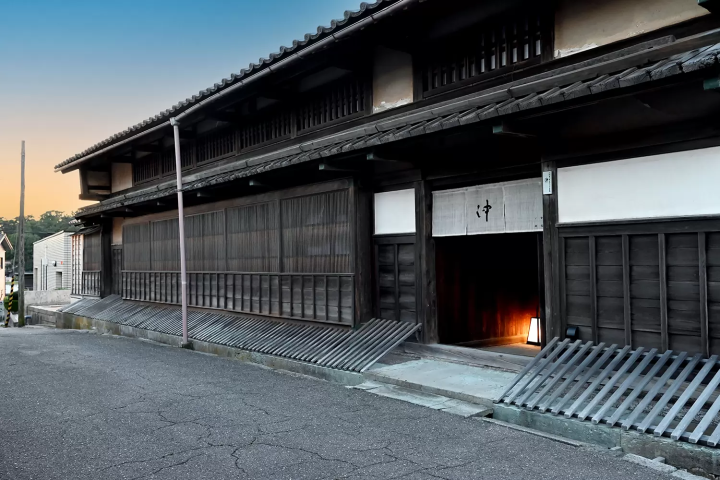
If you're looking for a relaxing stay in the town of Ataka, we recommend "Ataka no Yado Oki". Ataka flourished as a port of call for "Kitamae-bune," merchant ships that sailed the Nihon Sea from the Edo period to the Meiji period, carrying goods and culture from various regions.
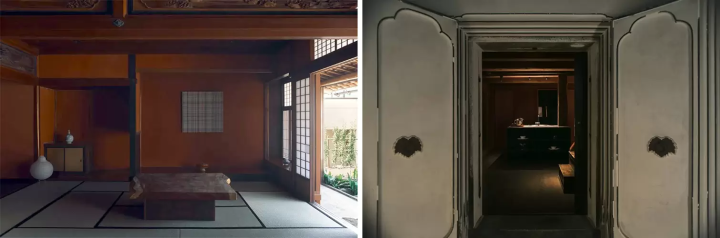
Ataka no Yado Oki is an accommodation facility that opened in 2026, renovated from the building of the Oki family, which once flourished as a shipping agent. It combines the charm of a historic building with modern comforts, allowing guests to experience the culture of a port town while staying there. Visit Ataka-no-Seki, stroll along the waterfront, and stay in an old port town building. You can enjoy an experience that is different from a day trip.
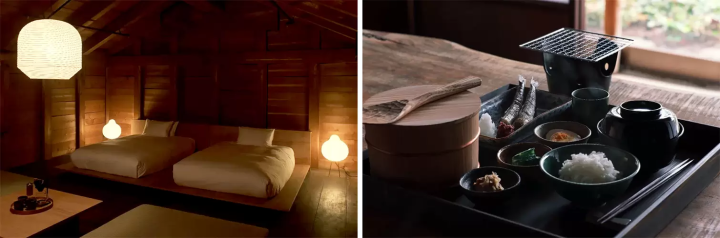
Atakanoyadooki, 35 Wa, Ataka-cho , Komatsu City, Ishikawa Prefecture Prefecture TEL 0761-48-7375 Check-in 15:00-21:00 / Check-out 7:00-12:00 https://nipponiakomatsu-atakanoyadooki.com
Reservations: https://www.chillnn.com/ja/19bb18fe99376
3 | Kaga City| The Tragic Legend of Ama-gozen at the Cape
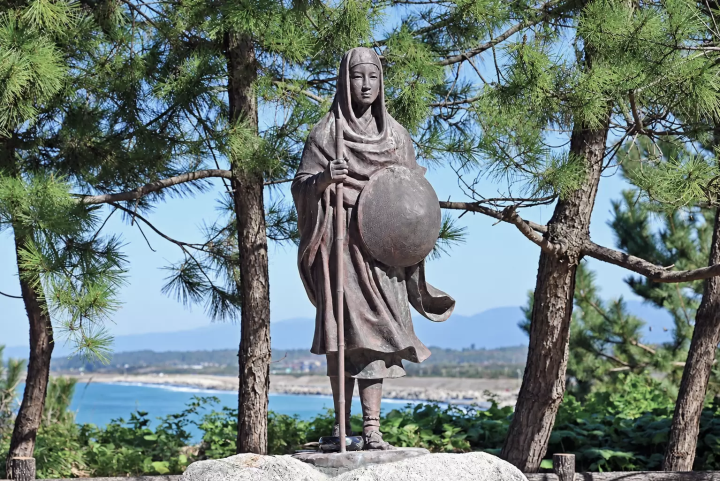
In Kaga City , located south of Komatsu City , there is also a legend related to the escape of Yoshitsune and his party. "Amagozen Misaki ," which juts out into the Nihon Sea , is a scenic spot with a beautiful coastline and pine forest.
According to legend, a woman named Ama-gozen, who was accompanying Yoshitsune, learned of the strict security at the upcoming Ataka-no-Seki and, fearing she would be a burden to the group, threw herself off the Misaki. Today, a walking path has been built, allowing visitors to stroll while enjoying the magnificent scenery of the Nihon Sea.
Misaki, Misaki-cho , Kaga City Ishikawa Prefecture TEL 0761-72-7900 ( Kaga City Tourism Division) *A few minutes' walk from Amigozaki Service Area (SA) on the Hokuriku Expressway, and the park can also be accessed from local roads.
4 | Hakusan City| To the shrine where Yoshitsune is said to have offered prayers
Heading northeast from Komatsu City , you'll find Hakusan City, nestled at the foot of the sacred Hakusan . Hakusan Hakusan, one of Japan's three most famous mountains, has long been a place of worship for people. In Tsurugi, at its base, there is a shrine said to have been visited by Yoshitsune. According to the "Gikeiki," a military chronicle centered on the Ataka-no-Seki between Minamoto no Yoshitsune and his retainer Benkei, after successfully passing through the Hakusan Barrier, Yoshitsune and his party visited Hakusan , worshipping at the "Nyotai-go no Miya (Shirayama Hime Shrine)" and then the "Ken no Gongen (Kinken-gu)." Within the shrine grounds, there is a stone said to be where Yoshitsune sat.
Shirayama Hime Shrine — A Sacred Center of Mount Hakusan Worship
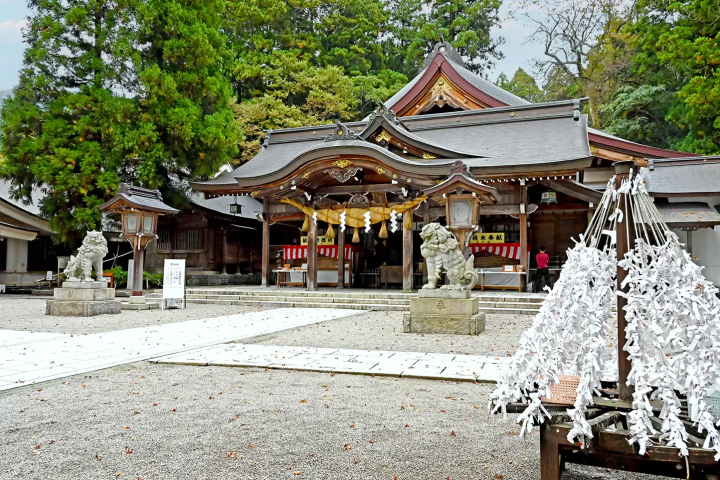
Shirayama Hime Shrine is the head Motomiya of Hakusan shrines throughout Japan. Affectionately known as "Shirayama-san" by locals, it has a long history as the center of Hakusan worship. There is also a legend that Yoshitsune and his party visited Shirayama Hime Shrine (though the location of the shrine was different at the time).
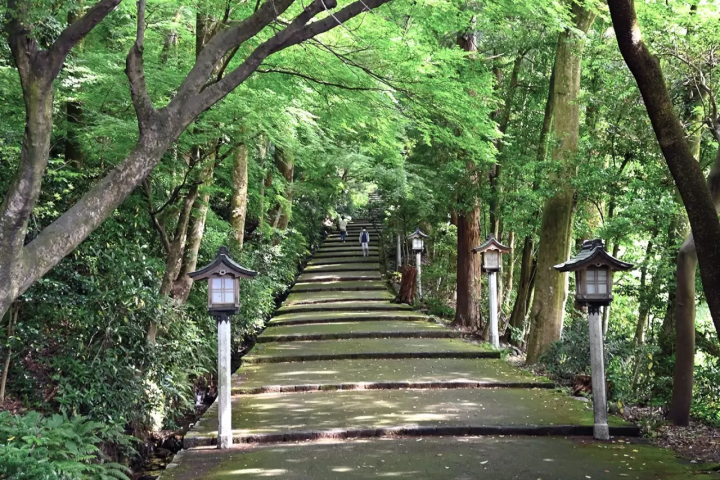
Omotesando is lined with Oki such as cedar and zelkova, and as you climb the stone steps surrounded by these trees, you are enveloped in a quiet and sacred atmosphere. Not only will you learn about its history, but visiting the shrine to pray for safe travels or to make a wish will also be a unique Japanese cultural experience.
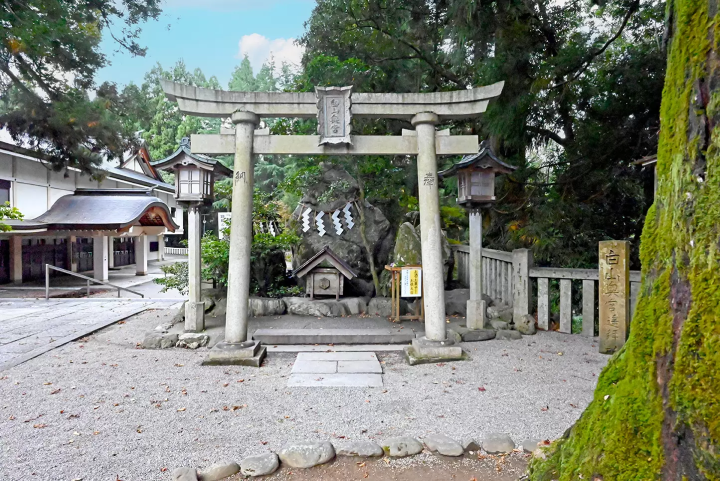
Shirayama Hime Shrine, 105-1 Ni, Sannomiya-cho, Hakusan Hakusan City Ishikawa Prefecture TEL 076-272-0680 [Opening Hours] 9:00-16:00 (Shrine Office) [Closed] Open every day https://www.shirayama.or.jp
5 | Nonoichi City| Benkei Legends and the History of the Togashi Clan
Further north from Hakusan City lies Nonoichi City , adjacent to the southwest of Kanazawa City . This area was once the base of the Togashi clan, who served as the governors of Kaga Province (present-day Nanbu Ishikawa Prefecture ), and flourished as a post town on the Hokkoku Kaido during the Edo period. The old Hokkoku Kaido was an important highway connecting the Hokuriku region, with many travelers and goods passing through it.
In the Honmachi area of Nonoichi City, historical buildings and streetscapes still remain, and you can learn about the legends of Yoshitsune and Benkei and the local history while walking along the old highway. Togashi, the gatekeeper who appears in "Kanjincho," is depicted as a person connected to the Togashi clan, who were based in this area. In Nonoichi, there is a stone monument that marks the site of the Togashi clan's residence, and legends related to Yoshitsune and Benkei also remain.
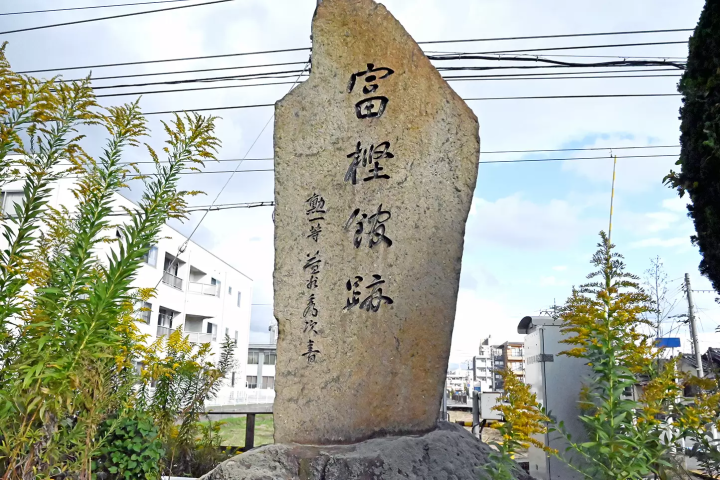
Nunoichi Shrine — The Stone Associated with Benkei’s Strength
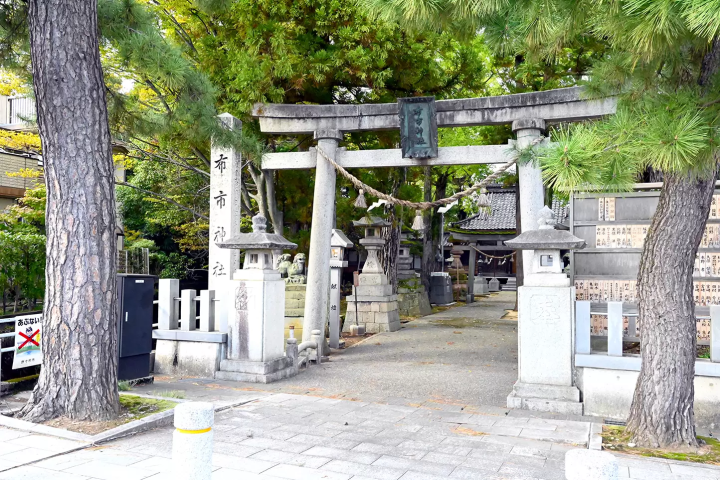
Nunoichi Shrine, located in Honmachi , Nonoichi City, is a shrine associated with the Togashi clan. Within the shrine grounds is a stone known as "Benkei's Power Stone." According to legend, Benkei, on his way north with Yoshitsune, visited the Togashi clan's mansion and, as entertainment during a drinking party, effortlessly lifted a large stone and threw it far away. The place where the stone is said to have fallen is still known as "Chikaraishi" (Power Stone), and the stone at the shrine is said to be a part of it. There is also a legend associated with the stone about praying for rain.
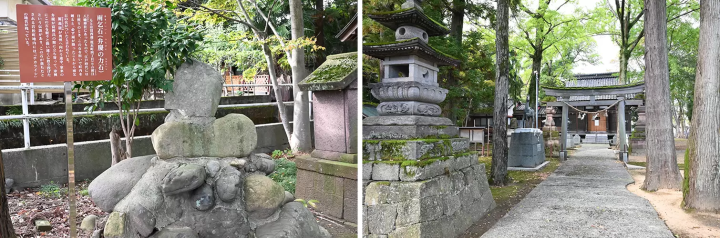
Nunoichi Shrine, 2-14-16 Honmachi , Nonoichi City. TEL 076-248-1610 https://www.ishikawa-jinjacho.or.jp/shrine/j0873
Nonoichi City Local History Museum NoNo — Discover Local History of Togashi clan of "Kanjincho"
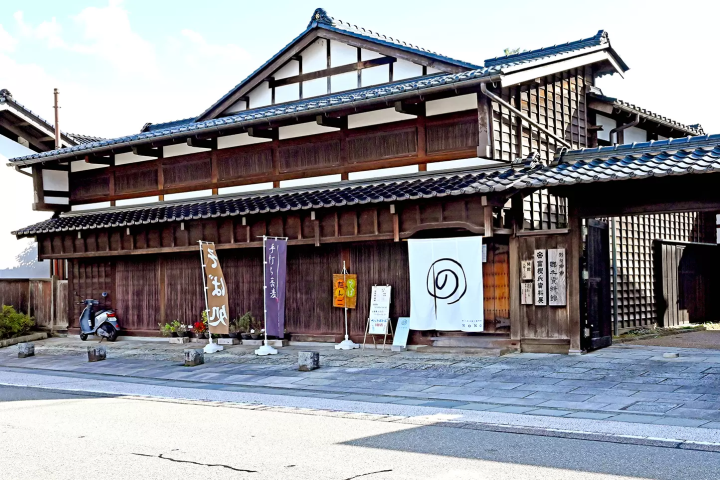
Those who want to learn more about the local history should also visit the Nonoichi City Local History Museum. This museum is housed in the former Uozumi family residence, built at the end of the Edo period, and displays old household items and other artifacts. Its appeal lies in the opportunity to learn about the construction of traditional houses and the lives of people from the past.
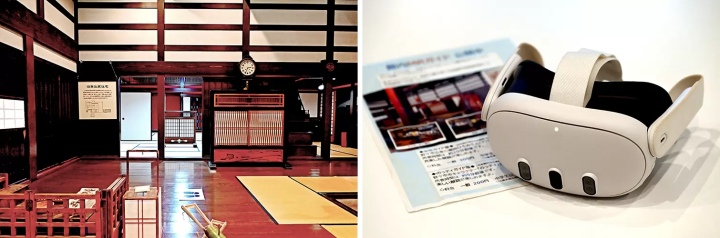
Furthermore, the exhibits showcasing the history of Nonoichi also touch upon the Togashi clan. By looking beyond the legend of Yoshitsune and Benkei to the history of the town where the Togashi clan was based and the lives of the people who lived there, one can deepen their understanding of the land of Nonoichi. There is also a cafe inside the museum, and handmade soba noodles are a local specialty.
Nonoichi City Local History Museum NoNo 3-19-24 Honmachi , Nonoichi City Ishikawa Prefecture TEL 076-246-2672 [Hours] 9:00-17:00 [Closed] Mondays (or the following day if Monday is a public holiday), the day after a public holiday (except Saturdays and Sundays), New Year holidays [Admission] Free https://www.cser.co.jp/nono
Kita Family Residence — A Historic Merchant House on the Old Hokkoku Kaidō
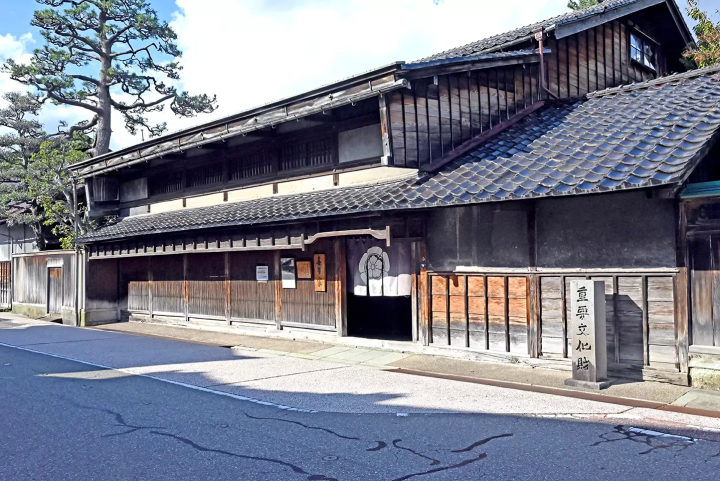
One of the historical buildings remaining along the old Hokkoku Kaido road is the Kitaya Residence. The Kitaya family was once a merchant family that ran a sake brewery, and the building is designated as a National Important Cultural Property. Although the townscape developed after the time of Yoshitsune, the fact that old buildings are still carefully preserved allows visitors to experience the history that Nonoichi has accumulated over the years.
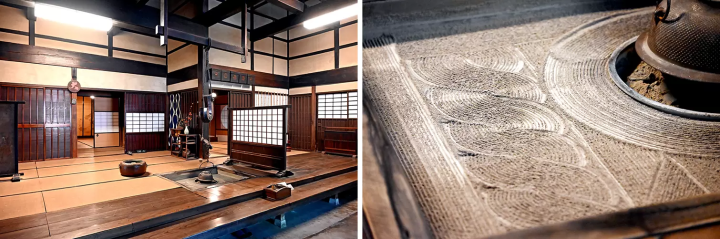
The "Oe-no-ma" room, located just inside the entrance of the Kitaya Residence, was a reception area, and the two-story building also houses formal tatami rooms and a tea room Oku Oku . Proceeding from the earthen floor passageway of the Oe-no-ma leads to the storehouse where sake was brewed. The lattice doors and traditional wooden architecture evoke the lifestyle of a merchant family in the Edo period and the prosperity of the town along the highway.
Kitaya Residence, 3-8-11 Honmachi , Nonoichi City Ishikawa Prefecture TEL 076-248-1160 [Hours] 9:00-17:00 [Closed] Mondays (or the following weekday if Monday is a public holiday), New Year holidays (December 29th - January 3rd) [Admission] Adults: 400 yen, Elementary, Junior High, and High School Students: 200 yen, Preschoolers: Free https://www.city.nonoichi.lg.jp/soshiki/9/2614.html
Fugakudō — Kanjincho-Inspired Japanese Sweets
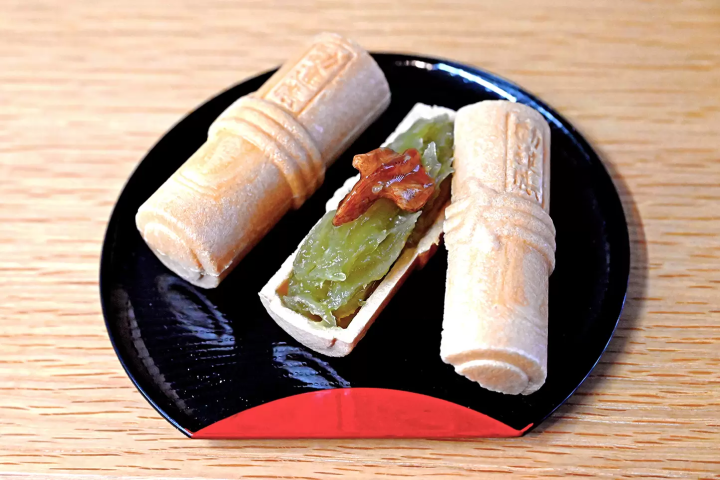
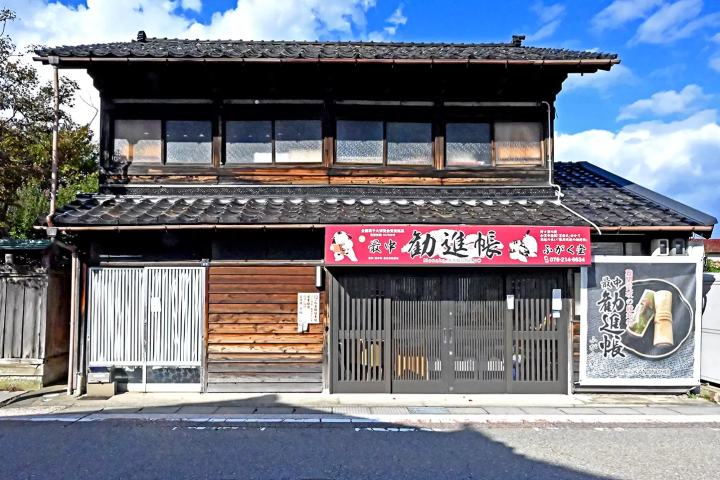
How about some Japanese sweets inspired by the story of Ataka-no-Seki as a souvenir? Fugakudo, located along the Hokkoku Kaido road, is a Japanese confectionery shop that mainly sells monaka (wafer cakes filled with sweet bean paste). One of their signature products, "Monaka Kanjincho," is a unique Japanese sweet shaped like the scroll that Benkei read aloud at Ataka-no-Seki Barrier.
Monaka is a traditional Japanese confection consisting of a thin wafer made from glutinous rice filled with sweet bean paste. "Monaka Kanjincho" features a matcha-flavored white bean paste combined with walnuts, and is made carefully by hand one by one without any additives. Though told at Ataka-no-Seki barrier, the story has been passed down in Nonoichi in the form of traditional Japanese sweets. You can not only purchase these sweets at the store but also enjoy them in the dining area.
Fugakudou , 3-8-9 Honmachi , Nonoichi City, Ishikawa Prefecture TEL 076-214-6634 [Hours] 10:00-16:00 [Closed] Saturdays, Sundays, and Mondays https://fugakudou.com
6 | Getting to the Historic Sites in Ishikawa
If you're planning a trip to the places mentioned, Komatsu City is a great place to start. Komatsu Airport has flights from Tokyo 's Haneda Airport, and you can also access Komatsu Station from the Tokyo area by train using the Hokuriku Shinkansen. Since the places associated with the subject are scattered, renting a car is convenient for getting around efficiently.